
 Save
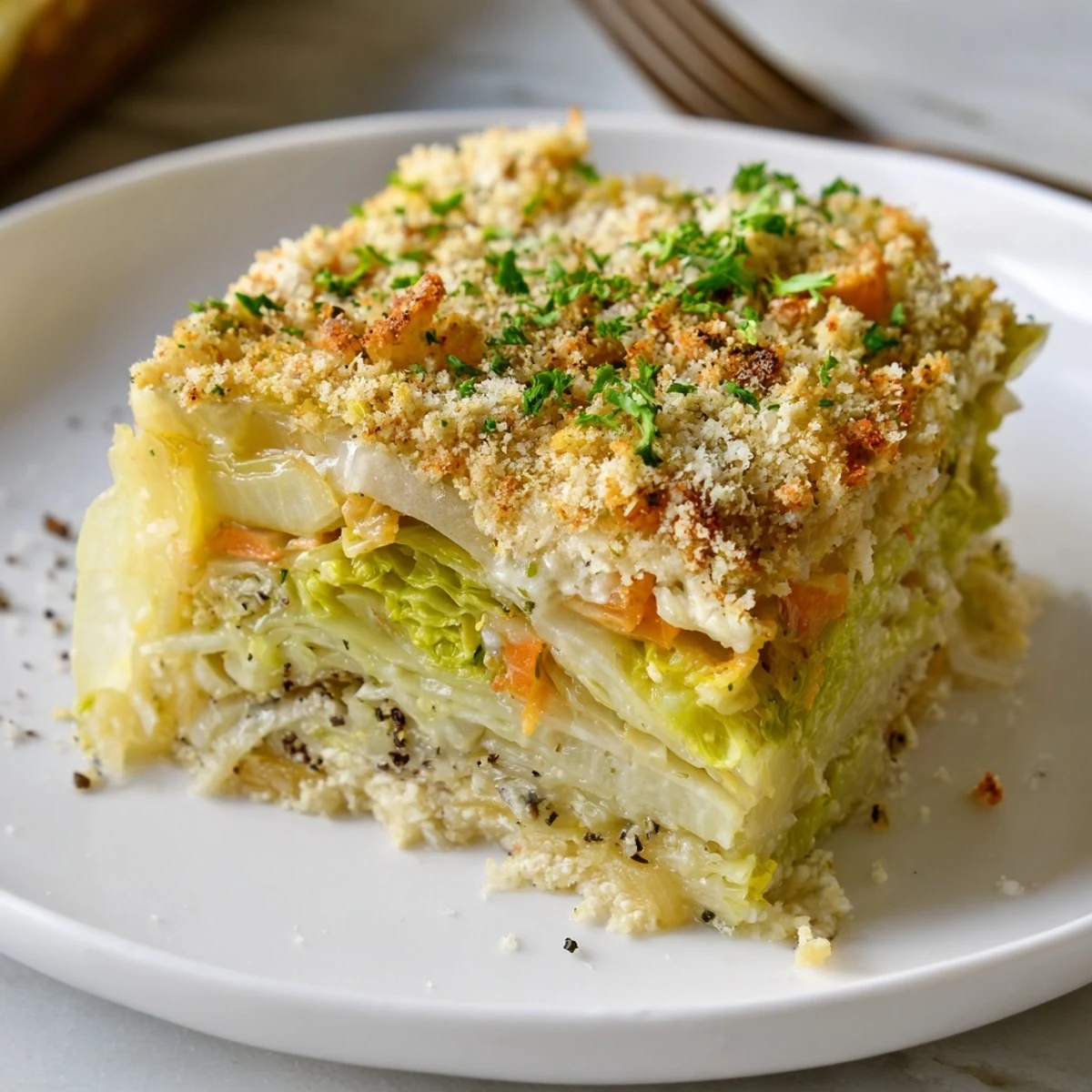
Save Slow-roast thick cabbage slices layered with drained sauerkraut and a sauté of onions, garlic and grated carrot. Whisk sour cream, eggs and vegetable broth, pour over layers, cover and roast 90 minutes at 325°F, then top with buttered breadcrumbs and bake uncovered 30 minutes more until golden and bubbly. Rest 10 minutes and garnish with parsley. Swap to plant-based sour cream and flax egg for a vegan version or add smoked sausage for extra richness.
The smell of cabbage roasting low and slow is one of those quiet kitchen spells that pulls everyone into the room without a single word being spoken. My neighbor once knocked on my door during a snowstorm just to ask what was making the hallway smell so impossibly good. That night I fed her a bowl of this casserole standing up in my kitchen, and she stayed for two hours.
I started making this on Sundays during a particularly brutal winter when cooking became my only reliable form of therapy. There was something meditative about layering the vegetables, pouring the creamy sauce, and letting the oven do all the heavy lifting while I read a book on the couch nearby.
Ingredients
- 1 medium green cabbage, cored and thickly sliced: The foundation of the dish, so choose one that feels heavy and dense with tightly packed leaves.
- 2 cups sauerkraut, drained and rinsed: Rinsing tempers the sharpness just enough while keeping that essential fermented tang alive.
- 1 large onion, thinly sliced: Cooks down into sweet softness that bridges the gap between cabbage and sauerkraut.
- 3 garlic cloves, minced: A quiet backbone of savory depth that hums through every bite.
- 2 medium carrots, grated: Adds subtle sweetness and a fleck of color throughout the layers.
- 1 cup sour cream: Creates the luscious binding sauce that turns simple vegetables into pure comfort.
- 2 large eggs: Helps set the casserole so each slice holds together beautifully on the plate.
- 3 tbsp olive oil: Used for sautéing and greasing the dish with gentle fruitiness.
- 1 cup vegetable broth: Thins the sour cream mixture and adds another layer of seasoned depth.
- 1 tsp caraway seeds: Entirely optional but they bring an unmistakable old world warmth that feels authentic to the roots of this dish.
- Salt and freshly ground black pepper: Season each layer as you build to ensure balanced flavor throughout.
- 1 cup breadcrumbs: Soaks up melted butter and crisps into a crust worth fighting over.
- 2 tbsp melted butter: The golden key to a topping that crunches satisfyingly under your fork.
Instructions
- Preheat and prepare the dish:
- Set your oven to 325°F and rub a large casserole dish with one tablespoon of olive oil, making sure to coat the corners where sticking loves to happen.
- Build the sautéed base:
- Warm the remaining olive oil in a large skillet over medium heat, then cook the sliced onion until it turns translucent and sweet smelling, about five minutes before stirring in the garlic and grated carrots for two more minutes.
- Layer everything with intention:
- Place half the cabbage in the dish, followed by half the sauerkraut and half the sautéed vegetables, seasoning with salt, pepper, and caraway seeds before repeating all three layers once more.
- Whisk and pour the sauce:
- Beat together the sour cream, eggs, and vegetable broth until perfectly smooth, then pour it evenly across the surface, letting it seep down through every crevice of the layered vegetables.
- Roast low and slow:
- Cover the dish tightly with foil and slide it into the oven for one hour and thirty minutes, allowing the cabbage to collapse into melting tenderness at its own unhurried pace.
- Prepare the golden topping:
- While the casserole works its magic, stir together the breadcrumbs and melted butter in a small bowl until every crumb glistens evenly.
- Finish under heat:
- Remove the foil, scatter the buttered crumbs across the top, and return the dish uncovered for thirty more minutes until the crust turns a deep inviting gold and the edges bubble with satisfaction.
- Rest before serving:
- Let the casserole stand for ten minutes so the layers settle and each spoonful comes out intact rather than sliding apart into a delicious but messy heap.
 Save
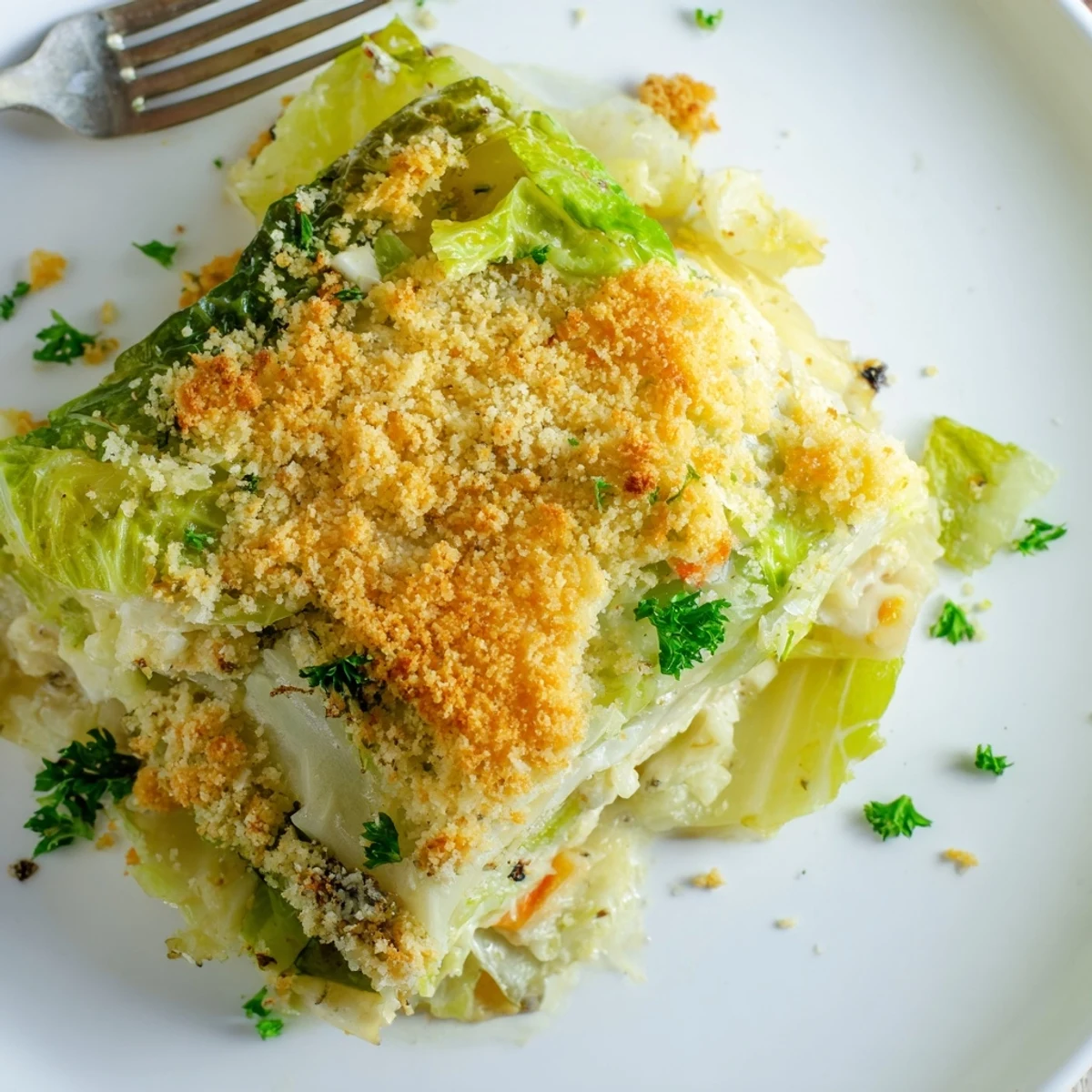
Save The first time I served this at a potluck, a woman from my building who grew up in Bavaria told me it reminded her of her grandmothers kitchen in Augsburg. She got quiet for a moment, then asked for the recipe, and I realized food had just done what words never could.
A Few Words On Cabbage Selection
A good cabbage should feel like a small bowling ball in your hand, dense and heavy with no soft spots or loose outer leaves. Smaller heads tend to be sweeter, while larger ones can sometimes have a slightly sharper edge that actually works well here against the richness of sour cream.
What To Serve Alongside
A chunk of dark rye bread with sharp German mustard is the traditional pairing and honestly hard to beat. For a larger meal, this sits wonderfully next to roasted sausages or a simple green salad dressed with something bright and acidic to cut through the richness.
Handling Leftovers And Storage
This casserole improves dramatically overnight as the flavors settle and marry in the refrigerator, making it one of those rare dishes I actively prefer on day two. Reheat individual portions in a warm oven rather than the microwave to bring back some of that lost crunch on top.
- Store covered in the refrigerator for up to four days without any loss of quality.
- The breadcrumb topping will soften but a quick run under the broiler restores it beautifully.
- Freezing is possible but the texture of the cabbage changes slightly, so I recommend enjoying it fresh when you can.
 Save
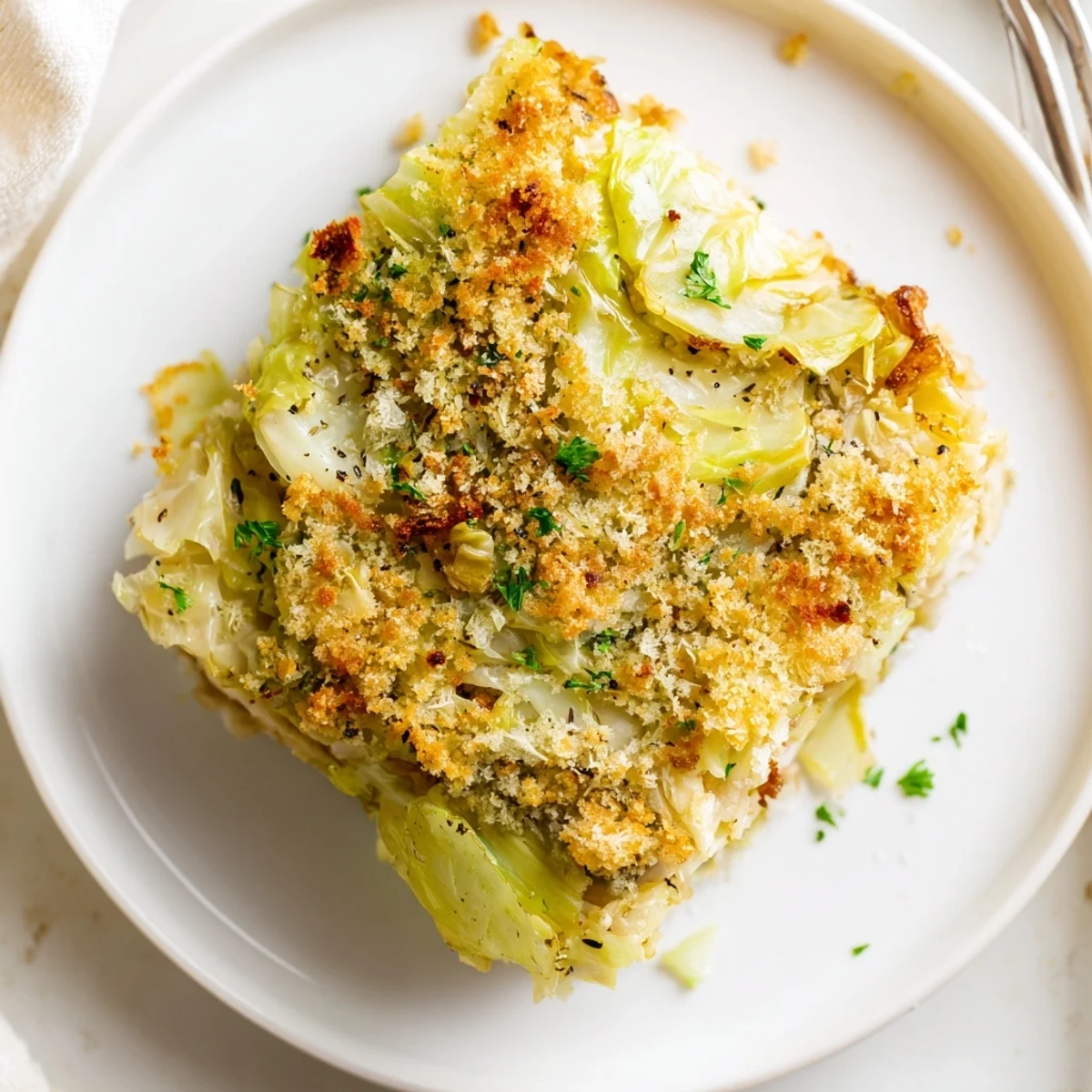
Save Some recipes are just dinner, but this one feels like a conversation with every culture that ever looked at a humble cabbage and saw something worth celebrating. Let it fill your kitchen on a cold evening and you will understand exactly what I mean.
Recipe FAQs
- → How long should I slow-roast the casserole?
-
Cover and roast at 325°F (165°C) for about 90 minutes to soften the cabbage, then remove the foil, add the breadcrumb topping and bake uncovered another 30 minutes until golden and bubbling.
- → How can I keep the topping crisp?
-
Drain sauerkraut well and let the excess steam escape before topping. Mix breadcrumbs with melted butter and sprinkle just before the final uncovered bake; that prevents sogginess and promotes a golden crust.
- → What are good swaps for dairy or eggs?
-
Use plant-based sour cream and replace eggs with a flaxseed mixture (1 tbsp ground flax + 3 tbsp water per egg) to keep the custard-like filling while remaining vegan-friendly.
- → Can I make this gluten-free?
-
Yes—use certified gluten-free breadcrumbs or crushed gluten-free crackers for the topping, and confirm that packaged sauerkraut and broth are labeled gluten-free.
- → Any tips for adding meat?
-
Fold in diced smoked sausage or cook bacon pieces with the onions before layering to render fat and deepen flavor; reduce added oil slightly to balance richness.
- → What should I serve it with?
-
Serve warm with rye or crusty bread and a grainy mustard, or pair with a simple green salad or roasted potatoes for a hearty, balanced meal.