
 Save
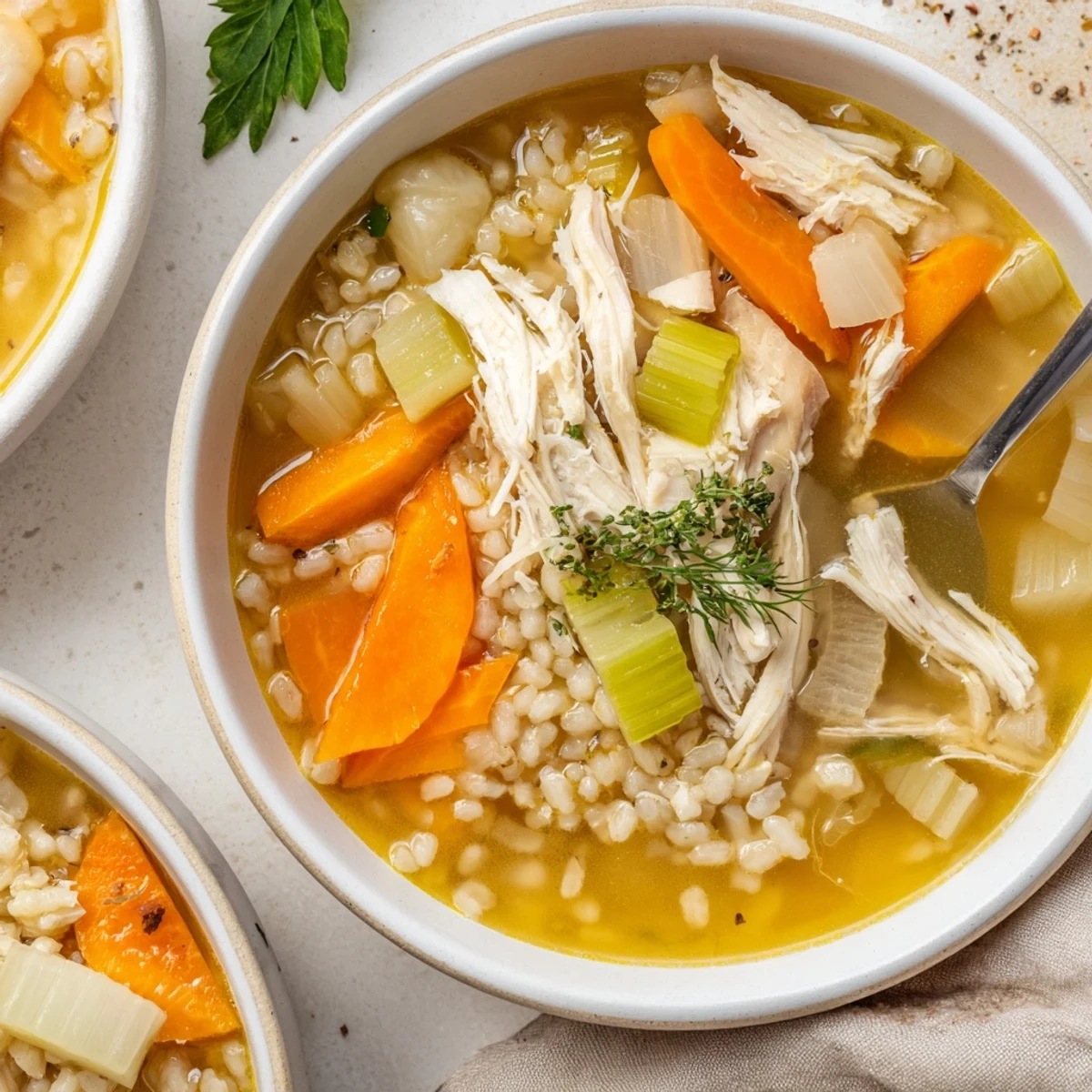
Save Simmer whole chicken or bone-in thighs with carrots, celery, onion, garlic, bay leaves and thyme in cold water or low-sodium broth for 45–60 minutes, skimming foam as it rises. Remove and shred the meat, return to the pot, and add egg noodles or rice if desired. Finish with fresh parsley or dill, adjust salt and pepper, and serve hot. Flavors deepen after resting overnight.
The screen door slammed and my grandmother looked up from the stove, wooden spoon in hand, steam fogging the kitchen window behind her. She never measured anything, just tossed vegetables into the pot with the confidence of someone who had made chicken soup a thousand times before. That pot bubbled away every Sunday from November through March, filling her tiny kitchen with a smell that somehow meant everything was going to be alright. I still hear her voice telling me the secret is patience and cold water.
One January I came down with the worst cold of my life and could barely drag myself off the couch. My roommate at the time, who had never cooked anything more ambitious than toast, followed this recipe over the phone with my mother guiding her through each step. She burned the first batch of onions, recovered like a champ, and two hours later handed me a bowl of the most beautiful, golden soup I had ever tasted. We sat on the living room floor eating it with saltines and laughing about her culinary panic attack.
Ingredients
- 1 whole chicken (about 1.2 kg) cut into pieces, or 800 g bone in, skin on chicken thighs or breasts: Bone in meat is nonnegotiable here because those bones release collagen and deep flavor that boneless cuts simply cannot replicate.
- 3 medium carrots, sliced: Slice them on a slight diagonal for a nicer look and slightly more surface area to sweeten the broth.
- 2 celery stalks, chopped: The base of so many great soups, celery adds a subtle earthiness that you would miss if it were gone.
- 1 large onion, diced: A sharp yellow onion gives the broth its savory backbone.
- 3 garlic cloves, minced: Fresh garlic stirred in near the start releases a gentle warmth without overpowering anything.
- 2 bay leaves: Drop them in whole and remember to fish them out before serving because biting into one is an unpleasant surprise.
- 1 parsnip (optional), peeled and sliced: If you have never tried parsnip in soup, it adds a quiet sweetness that pairs beautifully with chicken.
- 2 liters cold water or low sodium chicken broth: Starting with cold liquid helps draw flavor out of the bones slowly and evenly.
- 1 tsp whole black peppercorns: Whole peppercorns give gentle warmth without leaving black flecks throughout every spoonful.
- 1 small bunch fresh parsley: The stems can go straight into the pot during simmering and the leaves make a bright finishing garnish.
- 1 tsp dried thyme or 3 sprigs fresh thyme: Thyme and chicken are old friends that bring out the best in each other.
- 1 1/2 tsp salt, plus more to taste: Start modest and adjust at the end because you can always add more but you cannot take it away.
- 150 g egg noodles or rice (optional): Egg noodles are classic, but rice works wonderfully if you prefer a lighter texture.
- Fresh dill, chopped (optional garnish): A sprinkle of dill at the end gives the soup a fresh, almost floral lift.
Instructions
- Start the broth gently:
- Place the chicken pieces in a large pot and pour in the cold water or broth. Bring it to a gentle simmer over medium heat, and as soon as you see that foamy gray scum rise to the top, skim it off with a spoon or small strainer because this step keeps your broth clear and clean tasting.
- Build the flavor base:
- Add the carrots, celery, onion, garlic, parsnip if you are using it, bay leaves, peppercorns, thyme, and salt. Let everything simmer uncovered for about 45 to 60 minutes, until the chicken is cooked through and the vegetables are tender enough to yield to a fork without falling apart.
- Shred the chicken:
- Carefully lift the chicken pieces out of the pot and set them on a plate to cool just enough to handle. Discard the skin and bones, then shred or chop the meat into bite sized pieces while the broth keeps warm on the stove.
- Add noodles or rice if desired:
- Stir in the egg noodles or rice and let them simmer for 8 to 10 minutes until tender. Return the shredded chicken to the pot so it can soak up the broth and warm through without overcooking.
- Season and serve:
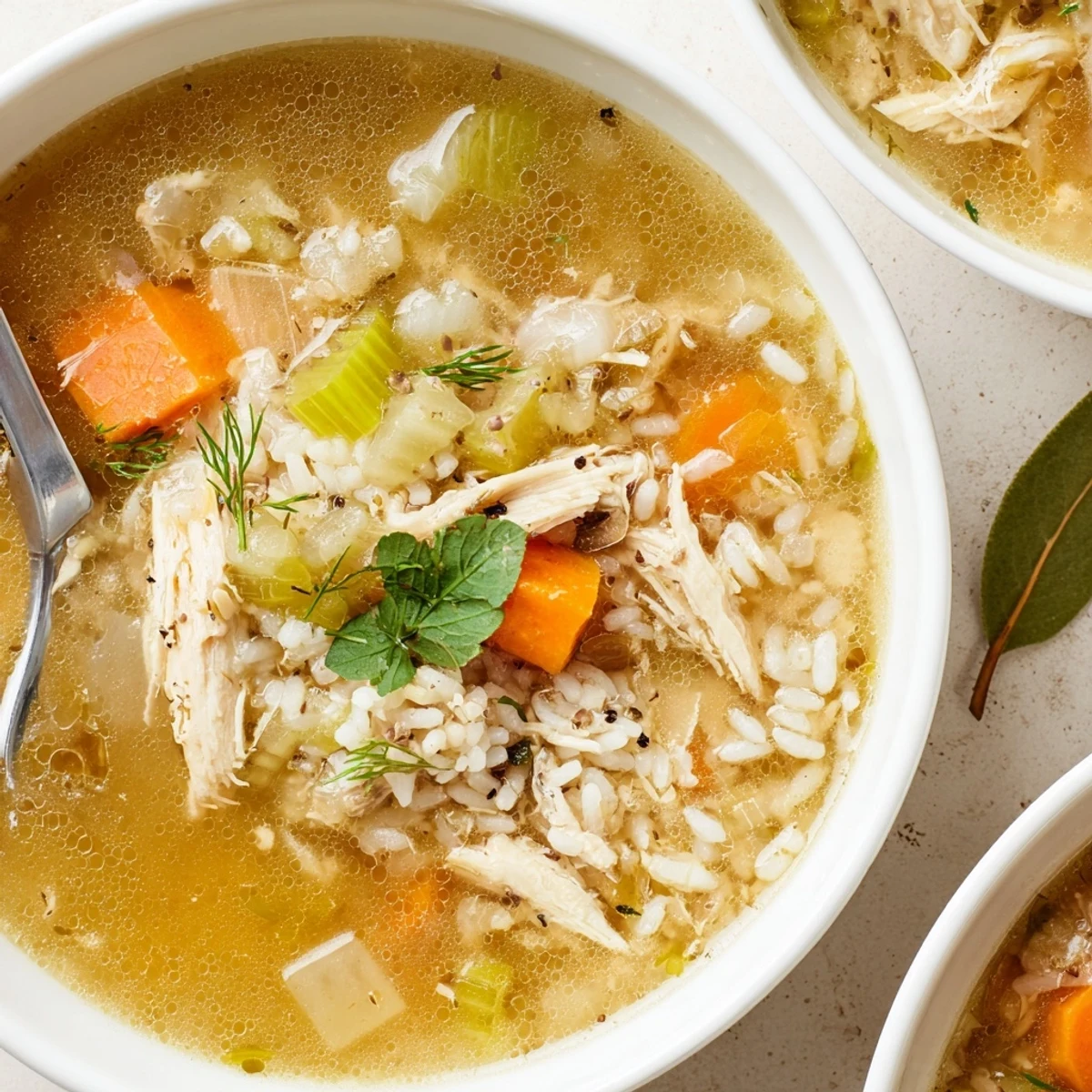
- Taste the broth and add more salt or pepper if it needs it, then remove the bay leaves and any herb stems. Ladle into deep bowls, scatter fresh parsley and dill over the top, and serve it steaming hot with good bread nearby.
 Save
Save There is a particular kind of quiet that settles over a kitchen when a pot of chicken soup is bubbling on the back burner. It draws people in slowly, first one person wandering in asking what smells so good, then another leaning against the counter with a glass of wine. Before long the kitchen becomes the only room anyone wants to be in.
What to Serve Alongside
A thick slice of crusty bread is really all you need to make this a complete meal, though a simple green salad with a lemony vinaigrette cuts through the richness nicely. On colder nights I have been known to serve it with warm dinner rolls and nothing else, and nobody has ever complained. A glass of Sauvignon Blanc or a light Pinot Grigio alongside turns a weeknight dinner into something that feels surprisingly special.
Storage and Reheating
Let the soup cool completely before transferring it to airtight containers, and it will keep in the refrigerator for up to four days. If you added noodles, know that they will soak up more broth as it sits, so you might need to splash in a little water or broth when reheating. For longer storage, freeze it without the noodles for up to three months and add fresh ones when you reheat.
Making It Your Own
Part of the beauty of chicken soup is how forgiving and adaptable it is once you understand the basic method. You can swap in sweet potatoes for a warmer, heartier version, or add a squeeze of lemon juice at the end for brightness that wakes up every spoonful. Let the seasons guide you because that is exactly what my grandmother always did without ever calling it a recipe.
- Try a handful of chopped kale or spinach stirred in during the last five minutes for extra color and nutrients.
- A pinch of turmeric adds a golden hue and a very subtle warmth that most people cannot quite identify but always love.
- Trust your taste buds over any written measurement because the best soup is the one that tastes right to you.
 Save
Save A bowl of homemade chicken soup is really a small act of care, whether you are making it for yourself on a quiet Tuesday or ladling it into bowls for the people you love most. Let it simmer, let it smell up your kitchen in the best possible way, and enjoy every single spoonful.
Recipe FAQs
- → Can I use boneless chicken instead of a whole bird?
-
Yes. Bone-in pieces yield richer broth and more body, but boneless thighs or breasts work—reduce simmer time and avoid overcooking lean breast meat to keep it tender.
- → How do I keep it gluten-free?
-
Use rice or certified gluten-free noodles and check labels on broth or packaged seasonings. Most fresh ingredients listed are naturally gluten-free.
- → What’s the best way to deepen the flavor?
-
Sauté the vegetables briefly in olive oil before adding liquid, use dark meat or a whole bird, and simmer gently for a longer time. Refrigerating overnight also concentrates the flavors.
- → How do I remove excess fat or foam?
-
Skim foam during the initial simmer with a spoon or skimmer. For excess fat, chill the broth and lift the solidified fat, or skim with a ladle while reheating.
- → Can I add noodles or rice directly to the pot?
-
Yes. Add egg noodles or rice near the end and simmer until tender (about 8–10 minutes for noodles). Cooked grains can also be added per bowl to prevent them from soaking up the broth if storing leftovers.
- → What herbs and garnishes work best?
-
Fresh parsley and dill brighten the bowl; thyme and bay leaf build depth during cooking. Discard stems and bay leaves before serving.