
 Save
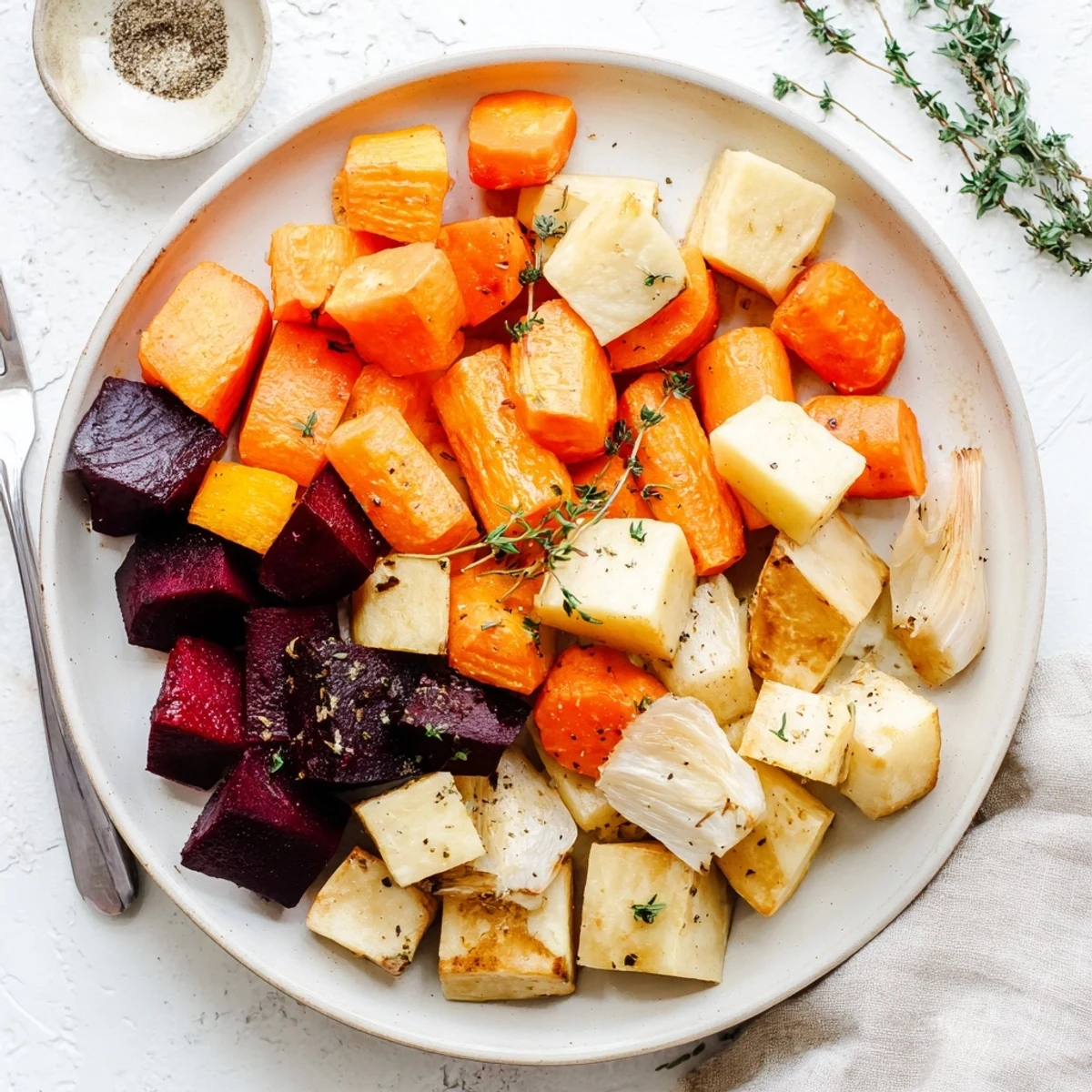
Save This oven-roasted medley combines hearty root vegetables including carrots, parsnips, sweet potato, beet, and rutabaga, tossed with olive oil, garlic, and fresh thyme. The vegetables roast at high heat until golden and tender with crispy edges, creating a naturally sweet and savory side dish that pairs beautifully with roasted meats or stands alone as a satisfying vegetarian option.
The first time I made roasted root vegetables, I was living in a drafty apartment with barely any counter space and an oven that ran hot. I'd grabbed whatever looked good at the farmers market that morning—carrots with their greens still attached, a knobby beet that stained my fingertips purple, and parsnips I'd never actually cooked before. The kitchen filled with this incredible earthy sweetness that made the whole place feel warmer somehow. That night, my roommate walked in, took a deep breath, and asked if I'd somehow learned to cook like her grandmother.
Last winter, I brought this dish to a potluck dinner where I barely knew anyone. I was nervous about contributing something so simple alongside fancy casseroles and homemade breads. By the end of the night, the baking sheet was completely empty and three different people had asked for the recipe. Sometimes the most unpretentious food is exactly what people crave.
Ingredients
- 2 large carrots: These become wonderfully sweet when roasted—look for firm ones without any rubbery texture
- 2 parsnips: They have this subtle peppery sweetness that balances the sweeter roots beautifully
- 1 medium sweet potato: Adds creaminess and a gorgeous orange color to the medley
- 1 medium beet: Earthy and vibrant—it will tint everything slightly pink, which I actually love
- 1 small rutabaga or turnip: Brings a mild bitterness that keeps the dish from becoming too sweet
- 2 tablespoons olive oil: Helps the vegetables caramelize and develop those crispy golden edges
- 1 tablespoon fresh thyme leaves: Fresh thyme makes such a difference—dried works but fresh is worth seeking out
- 2 cloves garlic: Minced fresh garlic mellows beautifully in the oven
- 1 teaspoon sea salt: Enhances the natural sweetness of all the vegetables
- ½ teaspoon freshly ground black pepper: Adds just enough warmth to complement the earthy flavors
Instructions
- Get your oven ready:
- Preheat to 425°F and line a large baking sheet with parchment paper—this saves you from scrubbing roasted-on vegetable bits later.
- Prep your vegetables:
- Peel and chunk everything into roughly 2-inch pieces so they roast at the same rate, keeping them similar in size.
- Coat them well:
- In a large bowl, toss all the vegetables with olive oil, thyme, garlic, salt, and pepper until every piece is glistening.
- Arrange for success:
- Spread the vegetables in a single layer without overcrowding—this is crucial for getting those caramelized edges instead of steamed mush.
- Roast to perfection:
- Cook for 35 to 40 minutes, stirring halfway through, until everything is tender with golden brown crispy bits.
- Serve it up:
- Transfer to a serving dish and sprinkle with extra fresh thyme if you want it to look as good as it tastes.
 Save
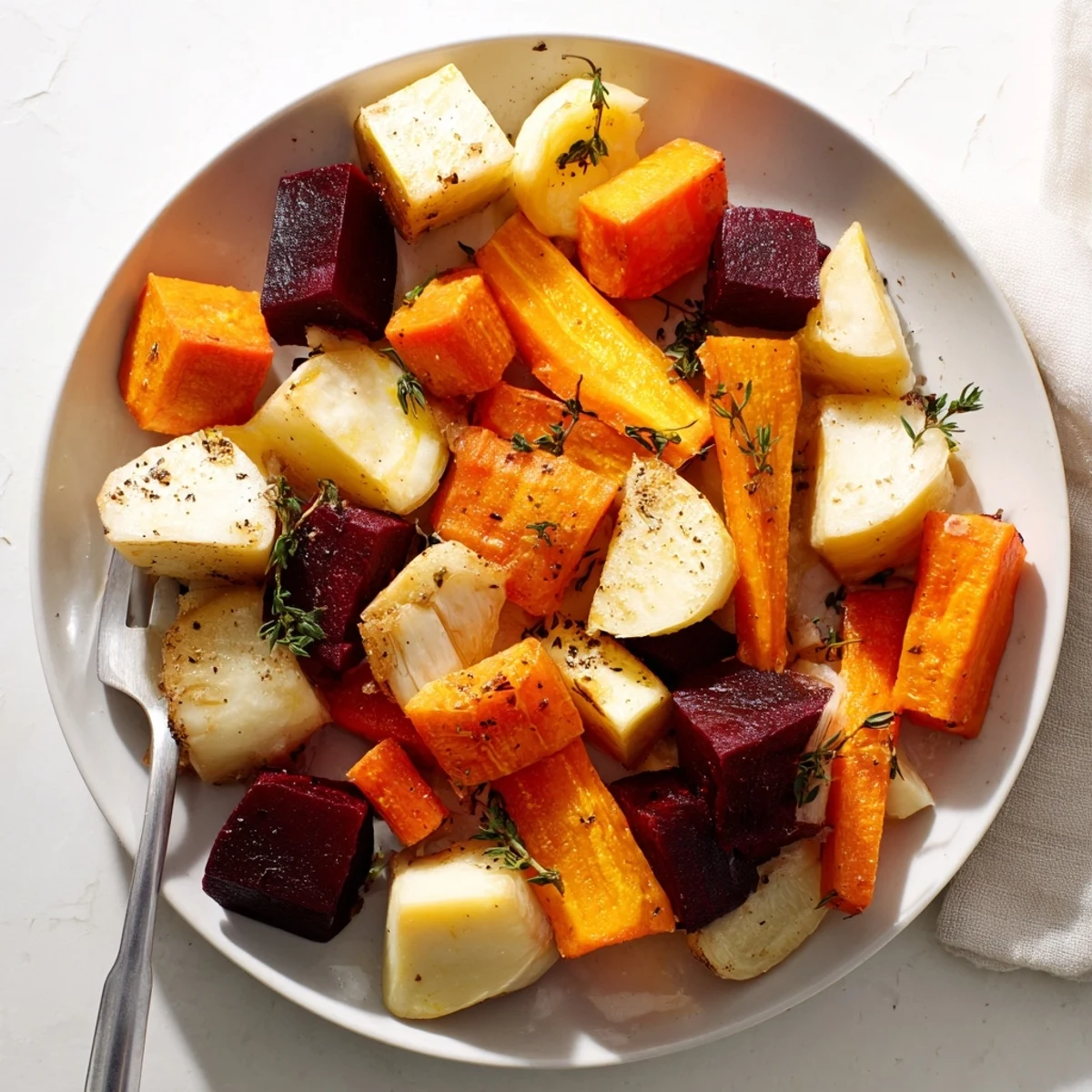
Save This recipe became my go-to during a particularly stressful November when cooking dinner was the only peaceful part of my day. Something about chopping root vegetables and watching them transform in the oven felt grounding and simple. Now every time I smell thyme and roasting vegetables together, I feel that same calm settle over me.
Choosing the Best Roots
I've learned that heavier vegetables tend to be fresher and less dried out inside. Avoid any that feel lightweight or have soft spots, especially with rutabagas and turnips which can get woody if they've been sitting around too long. The farmers market is your best bet for roots that still have their greens attached—that's usually a sign they were harvested recently.
Temperature Matters
After years of roasting vegetables at various temperatures, 425°F is definitely the sweet spot. Anything lower and you end up with steamed vegetables that never quite develop that irresistible caramelization. The high heat creates this beautiful contrast between tender insides and crispy, almost candy-like edges that make roasted vegetables so addictive.
Make It Your Own
This recipe is incredibly forgiving and welcomes whatever you have in your crisper drawer. I've thrown in celery root, winter squash, even chunks of regular potatoes when that's what I had on hand. A splash of balsamic vinegar before roasting adds this subtle depth that makes people wonder what your secret ingredient is.
- Try adding a handful of fresh rosemary along with the thyme for a more piney aromatic note
- A drizzle of maple syrup in the last 10 minutes of roasting enhances the natural sweetness
- Leftovers reheat beautifully and can be tossed into grain bowls or salads the next day
 Save
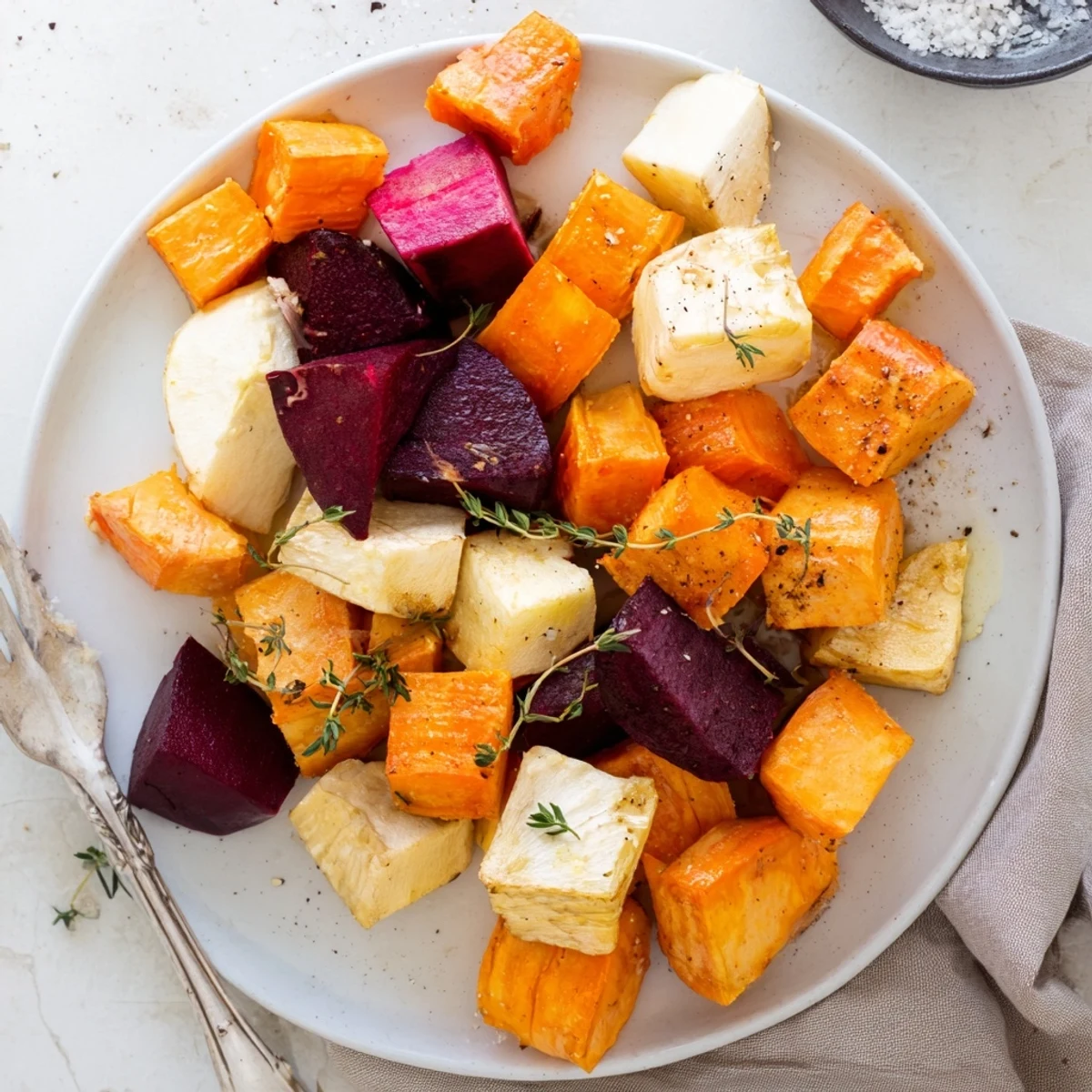
Save There's something deeply satisfying about transforming humble vegetables into something that feels like a celebration. I hope this recipe finds its way into your regular rotation and brings the same comfort to your kitchen that it's brought to mine.
Recipe FAQs
- → Which root vegetables work best for roasting?
-
Carrots, parsnips, sweet potatoes, beets, and rutabaga all roast beautifully. Their dense flesh becomes tender while developing sweet, caramelized flavors. Feel free to swap in celery root, regular potatoes, or winter squash based on what's available.
- → Should I peel the vegetables before roasting?
-
Peeling is recommended for tougher skins like rutabaga and beets to ensure even cooking. Carrots and parsnips can be left unpeeled if thoroughly scrubbed, though peeling creates a more uniform texture.
- → Why roast at 425°F instead of lower temperatures?
-
Higher heat (425°F) creates crispy, caramelized edges while keeping the interior tender. Lower temperatures produce softer vegetables without that desirable golden crust and concentrated sweetness.
- → Can I prepare these vegetables ahead of time?
-
Yes, peel and cut the vegetables up to 24 hours in advance. Store them in an airtight container with cold water to prevent browning. Drain and pat dry before tossing with oil and seasonings.
- → How do I know when the vegetables are done?
-
The vegetables are ready when they're fork-tender and have golden brown edges. Most root vegetables take 35-40 minutes. Test different pieces since larger chunks may need extra time.
- → What herbs pair well with roasted root vegetables?
-
Fresh thyme is classic, but rosemary, sage, or oregano also work beautifully. Dried herbs can substitute fresh at one-third the quantity. Add fresh herbs after roasting to preserve their delicate flavor.