
 Save
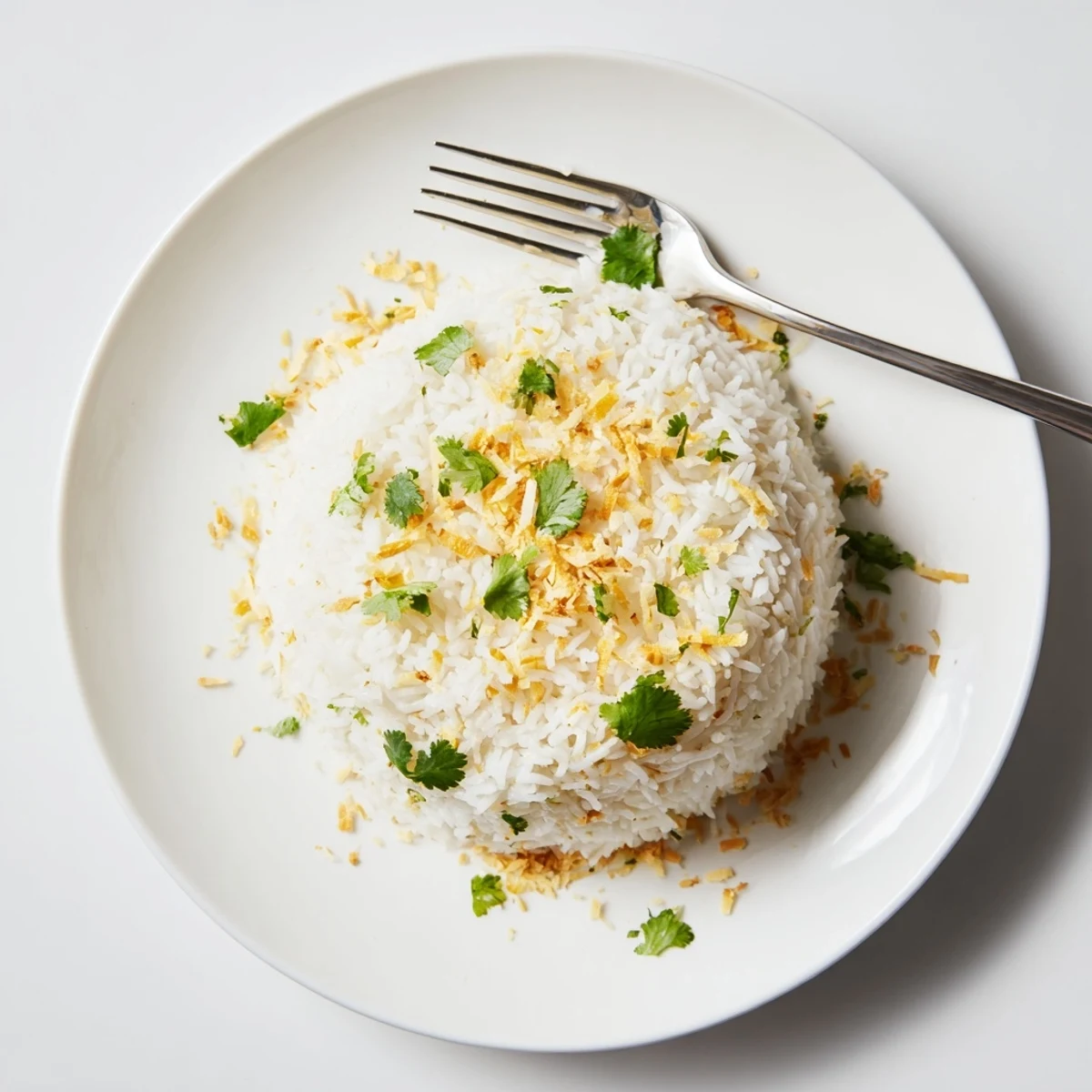
Save This fragrant coconut rice transforms simple jasmine rice into a creamy, aromatic side dish by simmering it in rich coconut milk. The stovetop method takes just 25 minutes from start to finish, making it an easy weeknight accompaniment.
Rinsing the rice beforehand ensures fluffy, separated grains. After a brief boil, the rice gently steams covered until tender, absorbing all the coconut flavor. Finish with a fork fluff and optional garnishes like toasted coconut, cilantro, and lime zest for a restaurant-quality presentation.
The smell of coconut milk hitting a hot saucepan is one of those small kitchen moments that instantly shifts the mood in the room, turning an ordinary Tuesday into something worth sitting down for.
My neighbor walked in once while I was making this and stood in the kitchen doorway just breathing in, asking what on earth smelled so good before she even said hello.
Ingredients
- Jasmine rice (1 cup, rinsed): Jasmine rice gives you that soft, slightly sticky texture that soaks up coconut milk beautifully, though any long grain white rice works in a pinch.
- Coconut milk (1 cup, unsweetened, full fat): Full fat coconut milk is nonnegotiable here because the richness is what makes this dish sing, so dont even think about reaching for the lite version.
- Water (3/4 cup): You need a little plain water alongside the coconut milk to keep the rice from turning gummy and heavy.
- Salt (1/2 teaspoon): Salt wakes up the natural sweetness of the coconut and balances the entire pot.
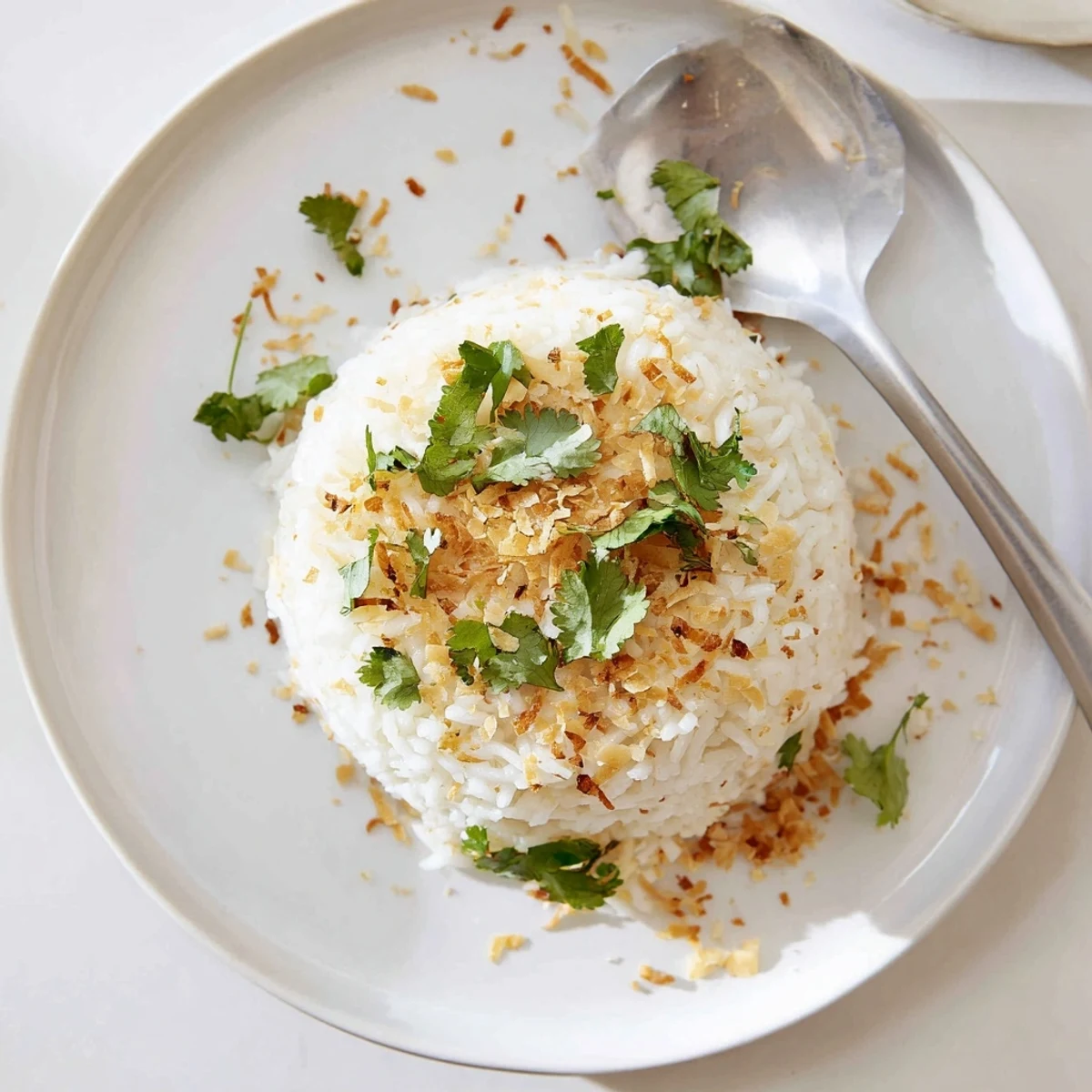
- Toasted coconut flakes (2 tablespoons, optional): These add a satisfying crunch on top that contrasts the soft rice underneath.
- Chopped fresh cilantro (1 tablespoon, optional): A handful of cilantro at the end brightens everything up with a fresh, herbal pop.
- Lime zest (1 teaspoon, optional): Lime zest over the top right before serving makes the whole bowl smell like a beachside dinner.
Instructions
- Wash the rice well:
- Rinse the rice under cold running water, swirling it with your fingers, until the water runs completely clear, which usually takes four or five changes of water.
- Combine everything in the pot:
- Dump the drained rice into a medium saucepan, pour in the coconut milk, water, and salt, then give it a gentle stir so nothing settles at the bottom.
- Bring it to a bubble:
- Set the pan over medium high heat and watch for the edges to start bubbling, which happens faster than you might expect.
- Let it steam undisturbed:
- Turn the heat down to low, clamp on a tight fitting lid, and walk away for 15 minutes without peeking, because every time you lift that lid you let precious steam escape.
- Rest off the heat:
- Take the saucepan completely off the burner and leave it covered for another 10 minutes while the rice finishes cooking in its own trapped steam.
- Fluff and finish:
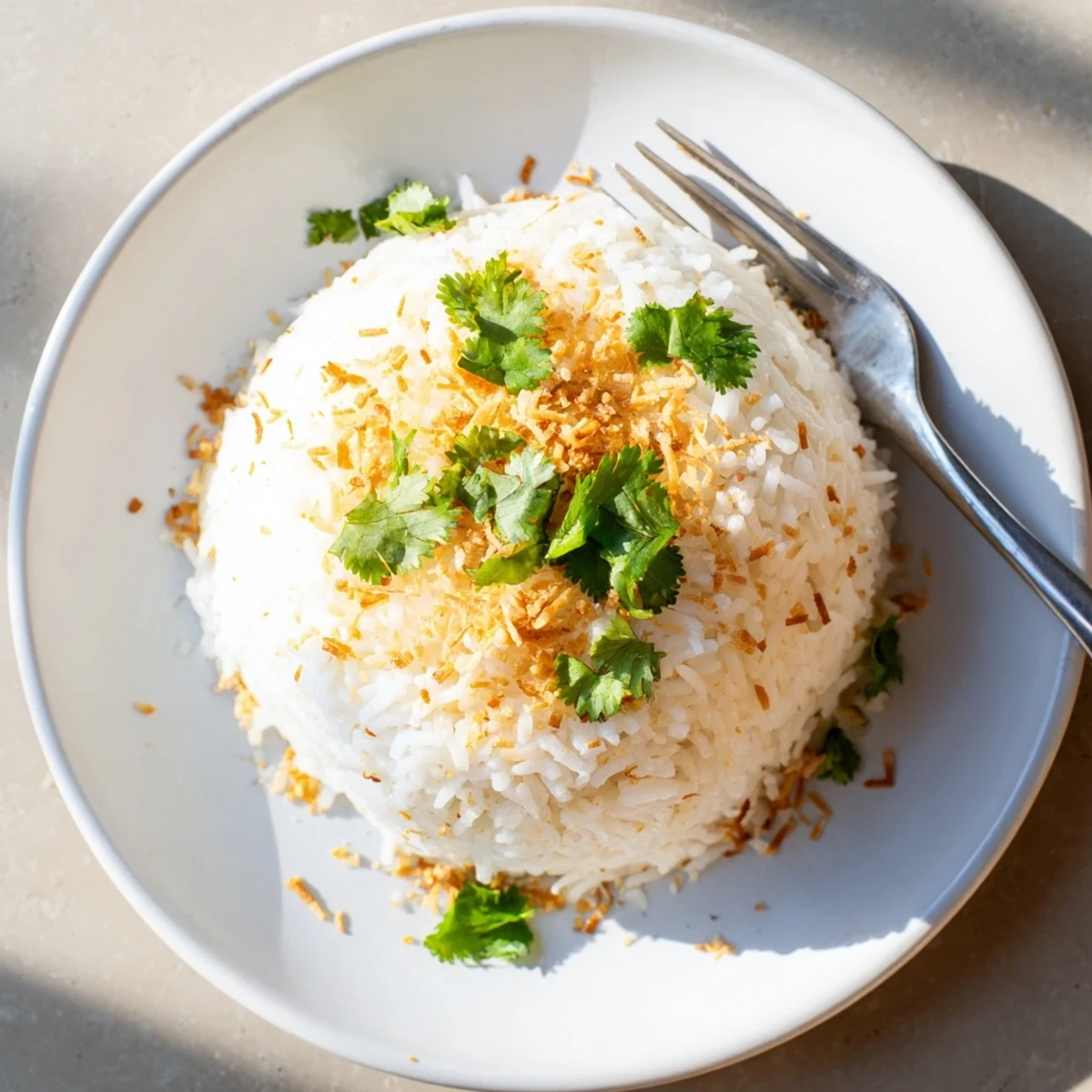
- Remove the lid, fluff the grains gently with a fork, and scatter over whatever garnishes make you happy before serving it warm.
 Save
Save I once made a double batch of this for a potluck and watched three people skip the main course entirely, going back for seconds and thirds of just the rice.
Making It Your Own
Toss a bruised bay leaf or a thick slice of fresh ginger into the pot before cooking and fish it out when you fluff the rice, which adds a subtle warmth that most people cannot quite identify but always love.
What to Serve It With
This rice pairs effortlessly with Thai green curry, grilled shrimp skewers, or a simple platter of roasted vegetables, and it honestly tastes good enough to eat standing over the counter with a spoon.
Getting the Texture Right
If you end up with rice that is too wet, just spread it on a baking sheet for a few minutes and the excess moisture evaporates quickly.
- Basmati rice works too but needs a splash more water to cook through properly.
- A fine mesh strainer makes draining the rinsed rice much easier than trying to pour it out by hand.
- Always shake your can of coconut milk before opening so the cream and liquid blend together evenly.
 Save
Save Some dishes are just meant to be simple, and this one proves that a handful of humble ingredients can create something far greater than the sum of their parts.
Recipe FAQs
- → Can I use a rice cooker instead of stovetop?
-
Yes, add rinsed rice, coconut milk, water, and salt directly to your rice cooker and run a normal white rice cycle. Results are equally fluffy and aromatic.
- → Why is my coconut rice too sticky or mushy?
-
Mushy rice usually means excess moisture or overcooking. Rinse the rice thoroughly until water runs clear, measure liquids precisely, and avoid lifting the lid during the 15-minute simmer. Letting it rest covered for 10 minutes after cooking also helps grains firm up.
- → Can I use lite coconut milk instead of full-fat?
-
Lite coconut milk works but produces less creamy results. For the richest flavor and best texture, full-fat coconut milk is recommended. You could add a teaspoon of coconut oil if using lite milk to compensate.
- → What dishes pair well with coconut rice?
-
Coconut rice complements Thai and Indian curries, grilled shrimp or chicken, stir-fried vegetables, teriyaki salmon, and jerk-seasoned proteins. It also works as a base for grain bowls.
- → How should I store and reheat leftovers?
-
Store cooled rice in an airtight container in the refrigerator for up to 4 days. Reheat in the microwave with a splash of water or coconut milk, covered, in 30-second intervals until steaming hot. Fluff with a fork before serving.
- → Can I use brown rice instead of jasmine rice?
-
Brown rice works but requires longer cooking time and more liquid — approximately 40–45 minutes of simmering. Adjust the water to 1 cup and keep the coconut milk amount the same for best results.