
 Save
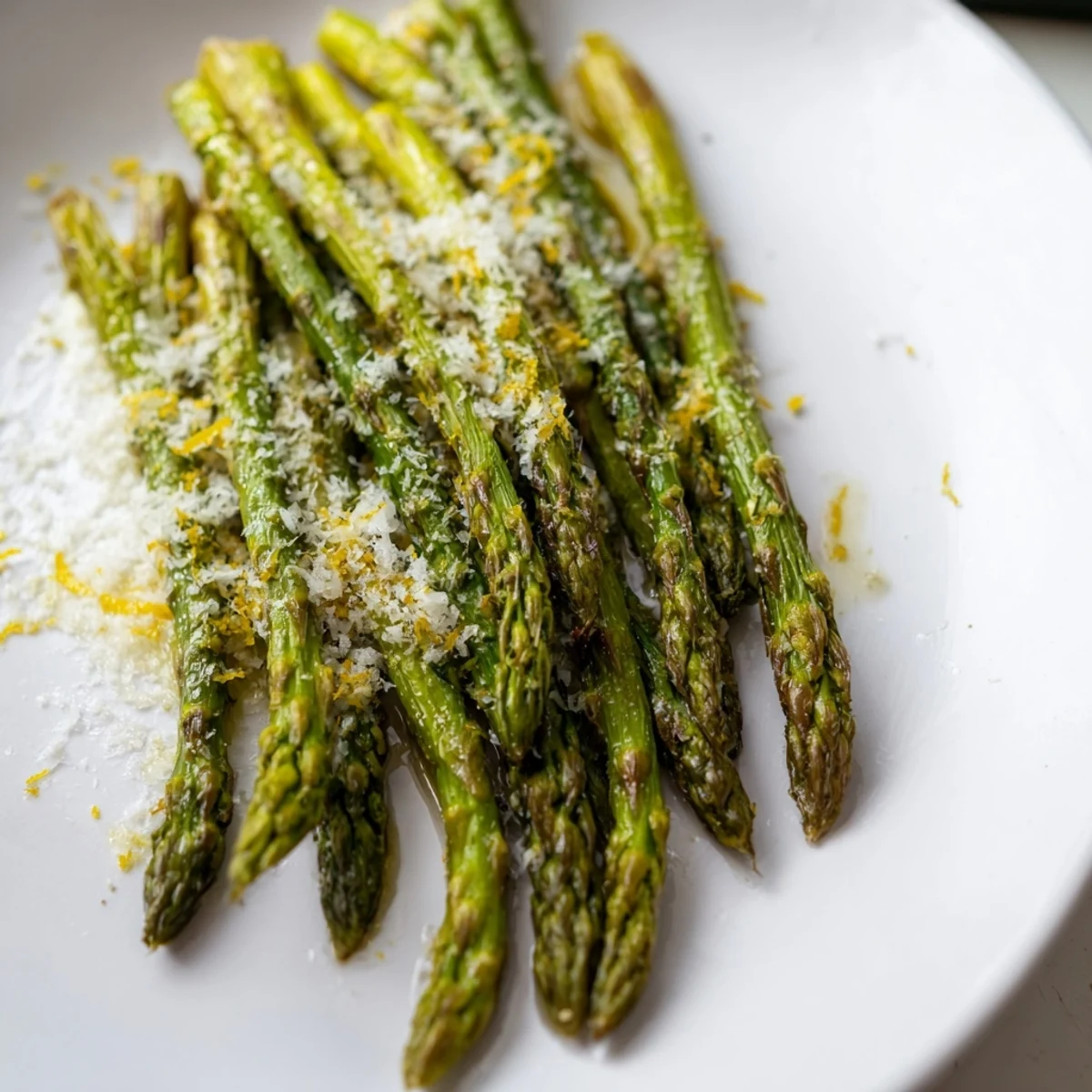
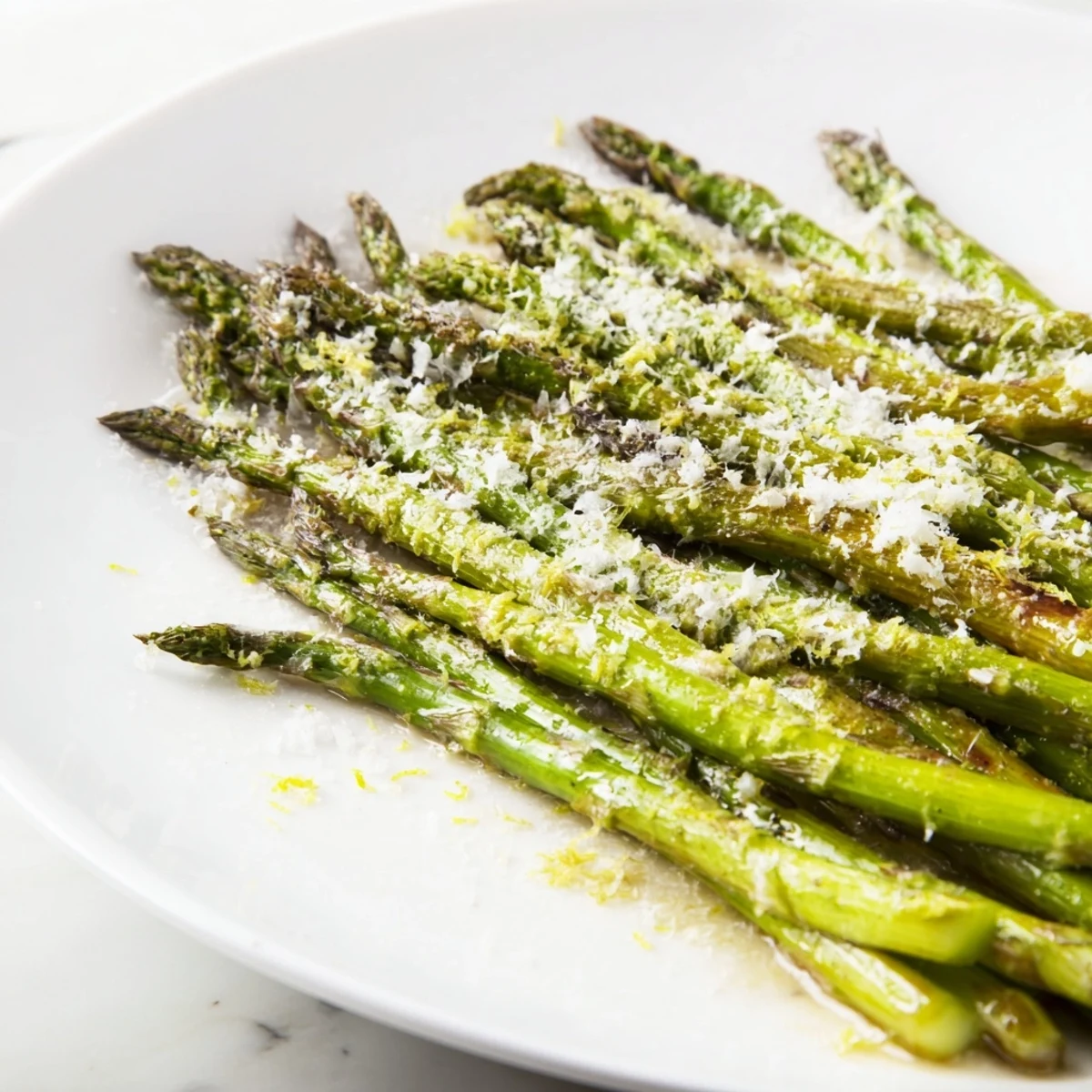
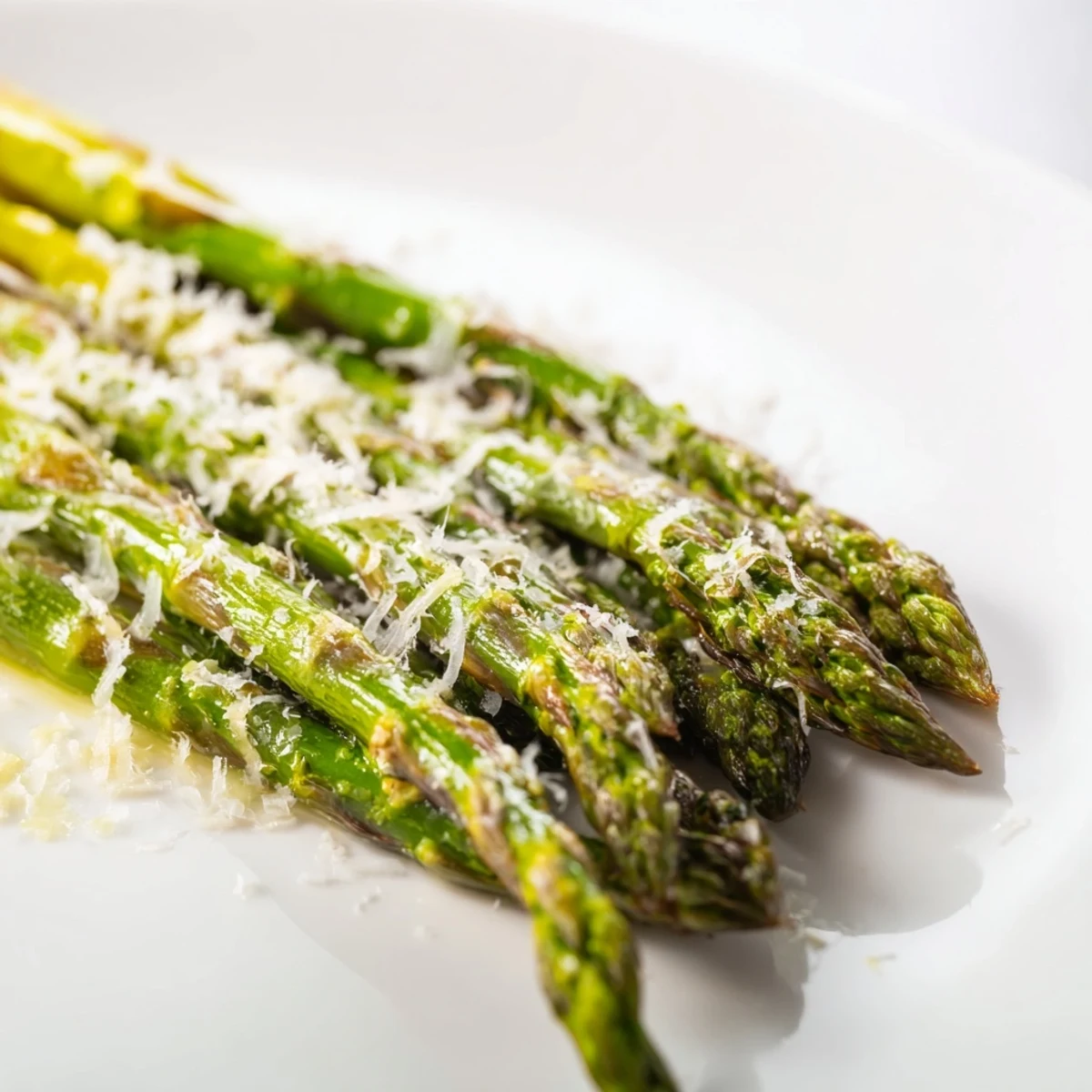
Save This dish features tender asparagus spears roasted until lightly browned and flavorful. Olive oil and seasonings coat the spears before roasting at a high temperature to lock in their natural freshness. Once done, a generous sprinkling of freshly grated Parmesan cheese adds a rich, savory layer, balanced perfectly by bright lemon zest and wedges served alongside. This easy, elegant side fits well with various meals, offering a fresh, Mediterranean-inspired flavor profile.
There's something almost meditative about sliding a sheet of asparagus into a hot oven and listening for that subtle sizzle. I discovered the magic of this dish one spring evening when I had company coming and exactly fifteen minutes to prepare something that looked effortless. The smell of roasting asparagus with just olive oil and salt filled my tiny kitchen, and suddenly I remembered why simple food done well is the most impressive kind.
I made this for a dinner party during the first real warmth of spring, and my friend who claimed to hate vegetables actually went back for seconds. That moment taught me that great food isn't about complexity or fancy techniques—it's about understanding your ingredients and respecting them enough to let them shine. Sometimes the best meals are the ones that feel almost accidental.
Ingredients
- Fresh asparagus: Look for spears with tight tips and a vibrant green color; thinner spears cook more evenly than thick ones, though both work beautifully.
- Olive oil: Don't be shy with it—this is where the rich, golden edges come from, so use something you'd actually taste.
- Kosher salt and black pepper: These aren't just seasonings here; they're what coax out the asparagus's natural sweetness and add depth.
- Freshly grated Parmesan cheese: Pre-grated will work, but freshly grated melts into the warm spears with so much more grace and flavor.
- Fresh lemon: Both the zest and juice matter; the zest adds brightness while wedges let everyone control how much citrus they want.
Instructions
- Heat your oven and prep the stage:
- Set your oven to 400°F and line a baking sheet with parchment paper or a light coating of oil. This small step prevents sticking and makes cleanup effortless, which you'll appreciate after dinner.
- Arrange and drizzle:
- Lay the trimmed asparagus in a single layer, then drizzle generously with olive oil and scatter salt and pepper across the spears. Toss gently to coat every piece—you're looking for an even shimmer of oil on each spear.
- Let them roast:
- Slide the sheet into the oven and set a timer for twelve to fifteen minutes. You'll know they're ready when the tips are starting to darken and the spears bend easily when pierced with a fork—some charred bits are welcome here.
- Finish with brightness:
- The moment they come out, while the pan is still hot, sprinkle the Parmesan cheese and lemon zest over everything. The residual heat melts the cheese just enough to cling to the asparagus without making it heavy.
- Serve and share:
- Transfer to a serving plate and arrange lemon wedges alongside so people can squeeze as much or as little as they like. Serve warm, while the Parmesan is still slightly soft.
 Save
Save I'll never forget when my grandmother tasted this version and said it was how she'd always wanted to eat asparagus but never knew how. That comment, more than any compliment, told me something important: sometimes the best recipes aren't about reinventing the wheel—they're about honoring what's already there and trusting your instincts.
Choosing Asparagus Like You Mean It
The difference between good and great asparagus starts at the market. Look for spears that are firm and bright green, with tightly closed tips that haven't started to flower or separate. Thinner spears (about pencil-thin) roast faster and more evenly than thick ones, but if thick spears are all you have, just give them a few extra minutes and check them carefully. I've learned to gently bend a spear before buying—it should snap cleanly rather than bend floppy, which tells you it's fresh and full of moisture.
The Science of the Sizzle
Roasting at 400°F creates something called the Maillard reaction, which is just a fancy way of saying the asparagus's natural sugars brown and create complex flavors and a slightly crispy exterior. This happens because the high, dry heat caramelizes the outer edges while the inside stays tender. I learned this by accident when I tried roasting at a lower temperature and ended up with steamed asparagus instead of roasted—all the oil in the world can't create that magic if the oven isn't hot enough.
Variations and Moments of Improvisation
This recipe is genuinely hard to ruin, and I mean that as an invitation to play with it. Some nights I add a pinch of red pepper flakes for heat, or brush the finished dish with a drizzle of aged balsamic vinegar that catches on the tips. Other times I swap the Parmesan for Pecorino Romano when I want something sharper, or add a few toasted breadcrumbs for texture. Every version teaches you something about balance and what your palate actually craves on any given evening.
- Try adding a small drizzle of balsamic glaze after the Parmesan and lemon zest for subtle sweetness and depth.
- Crushed red pepper flakes scattered over warm asparagus turn it into something with personality and bite.
- A teaspoon of minced garlic or a few shaved garlic slivers roasted alongside the asparagus deepen everything.
 Save
Save This dish has become my answer to the question of what to make when I want something that feels completely effortless but somehow still feels special. It's the kind of recipe that reminds you why cooking matters in the first place.
Recipe FAQs
- → What is the best way to roast asparagus evenly?
-
Arrange asparagus in a single layer on the baking sheet to ensure even roasting. Avoid overcrowding so heat circulates properly around each spear.
- → Can I use other cheeses instead of Parmesan?
-
Yes, Pecorino Romano provides a sharper flavor that complements roasted asparagus nicely, or try grated Asiago for a milder taste.
- → How do I know when asparagus is perfectly roasted?
-
Look for tender spears that are slightly browned but still retain a slight bite. They should easily pierce with a fork without being mushy.
- → What is the purpose of lemon zest in this dish?
-
Lemon zest adds a bright, citrusy aroma and flavor that balances the savory richness of Parmesan and enhances the freshness of asparagus.
- → Can this dish be prepared ahead of time?
-
Asparagus is best served warm and fresh from the oven. However, you can prep the spears ahead by trimming and seasoning, then roast just before serving.