
 Save
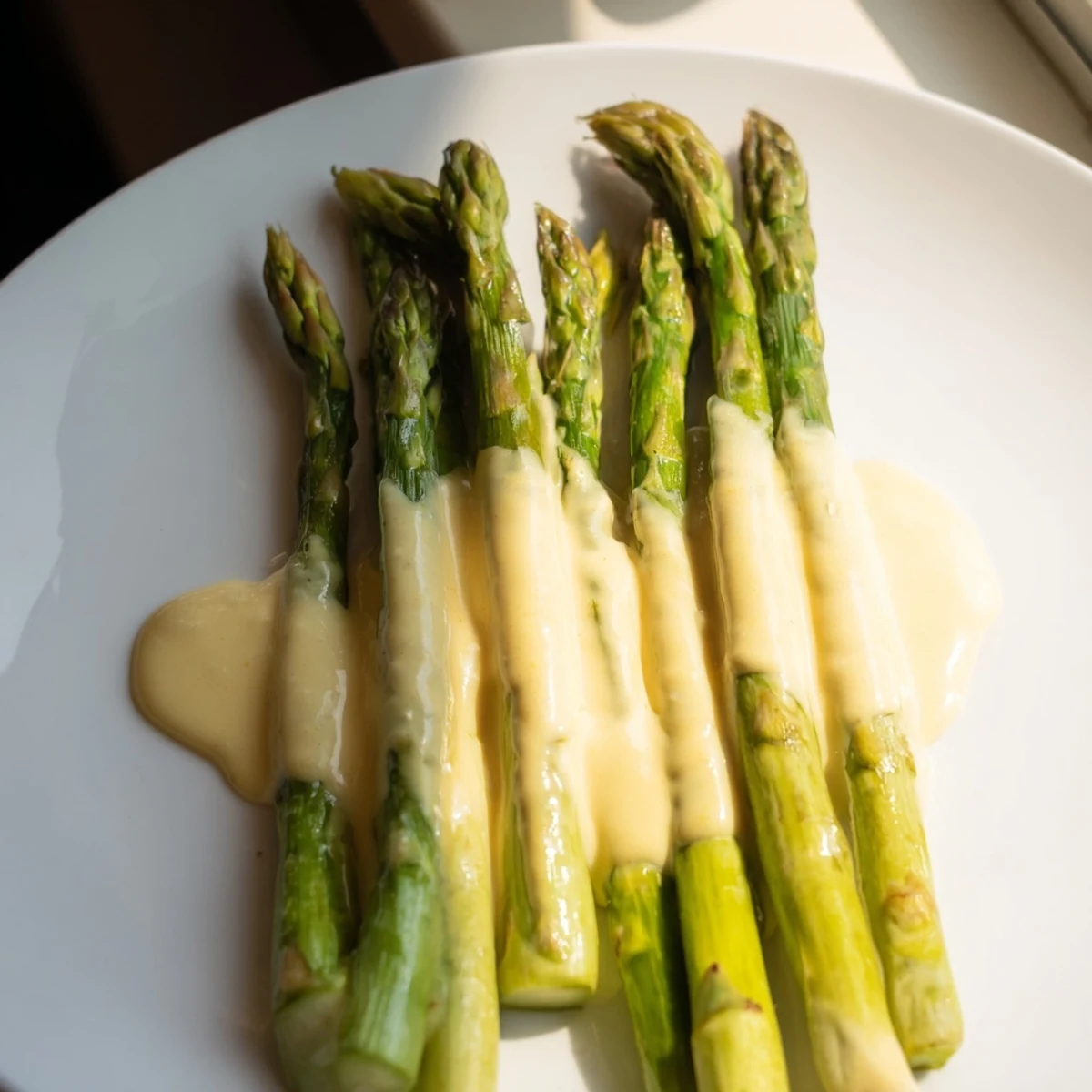
Save Roasting fresh asparagus until tender and slightly golden brings out its natural flavor and texture. Coated lightly with olive oil, salt, and pepper, it is then topped with a classic creamy hollandaise sauce made from egg yolks, lemon juice, and melted butter. This combination creates a harmonious balance of savory and rich elements, perfect as a side for spring meals or special dinners. Simple tools and a few steps yield a refined dish that highlights fresh produce and traditional techniques.
The first time I made hollandaise sauce, I was convinced it would break on me. I stood over that double boiler, whisking until my arm actually ached, convinced I'd ruined it until suddenly the most gorgeous, pale yellow emulsion formed under my whisk. Now it's the sauce I turn to when I want to make a weeknight vegetable feel like something from a bistro.
I made this for my mother last spring when she came over for dinner, and she actually stopped mid conversation to ask what made the sauce so velvety. Watching someone's eyes light up when they taste homemade hollandaise for the first time is exactly why I love cooking.
Ingredients
- 1 lb fresh asparagus, trimmed: Look for tight, closed tips and firm stalks. Thicker spears stand up better to roasting and hold that satisfying crunch.
- 1 tbsp olive oil: This helps the asparagus develop those gorgeous caramelized edges in the oven.
- 1/2 tsp kosher salt and 1/4 tsp black pepper: Simple seasoning that lets the vegetable shine while the hollandaise provides all the luxury.
- 3 large egg yolks: Room temperature yolks emulsify more easily and give you better insurance against curdling.
- 1 tbsp fresh lemon juice: This cuts through the richness and adds brightness that balances the butter perfectly.
- 1/2 cup unsalted butter, melted and warm: Warm butter incorporates more smoothly than cold and gives you that silky restaurant texture.
- 1/4 tsp salt and pinch of cayenne: The cayenne is my secret ingredient. It adds warmth without actual heat and makes everything taste more cohesive.
Instructions
- Preheat your oven:
- Heat to 425°F and line a baking sheet with parchment. This high temperature is what gives you those lovely browned spots on the asparagus.
- Prep the asparagus:
- Arrange spears in a single layer on your baking sheet. Drizzle with olive oil, sprinkle with salt and pepper, then use your hands to toss until every spear is lightly coated.
- Roast until tender:
- Bake for 12 to 15 minutes. You want them to be tender when pierced with a fork but still have a little snap. They should have some golden browned edges.
- Start the hollandaise base:
- While asparagus roasts, whisk egg yolks and lemon juice in a heatproof bowl until thickened and noticeably lighter in color.
- Create the double boiler:
- Set your bowl over a saucepan of barely simmering water. The water should touch the bottom of the bowl but not so high that the bowl gets too hot to touch.
- Emulsify the sauce:
- Whisk constantly and slowly pour in the warm butter. Keep whisking. The sauce will thicken beautifully into something glossy and pale yellow. Remove from heat and stir in salt and cayenne.
- Bring it together:
- Arrange roasted asparagus on a platter and spoon that warm hollandaise over the top. Serve right away while everything is still warm and the sauce is at its silkiest.
 Save
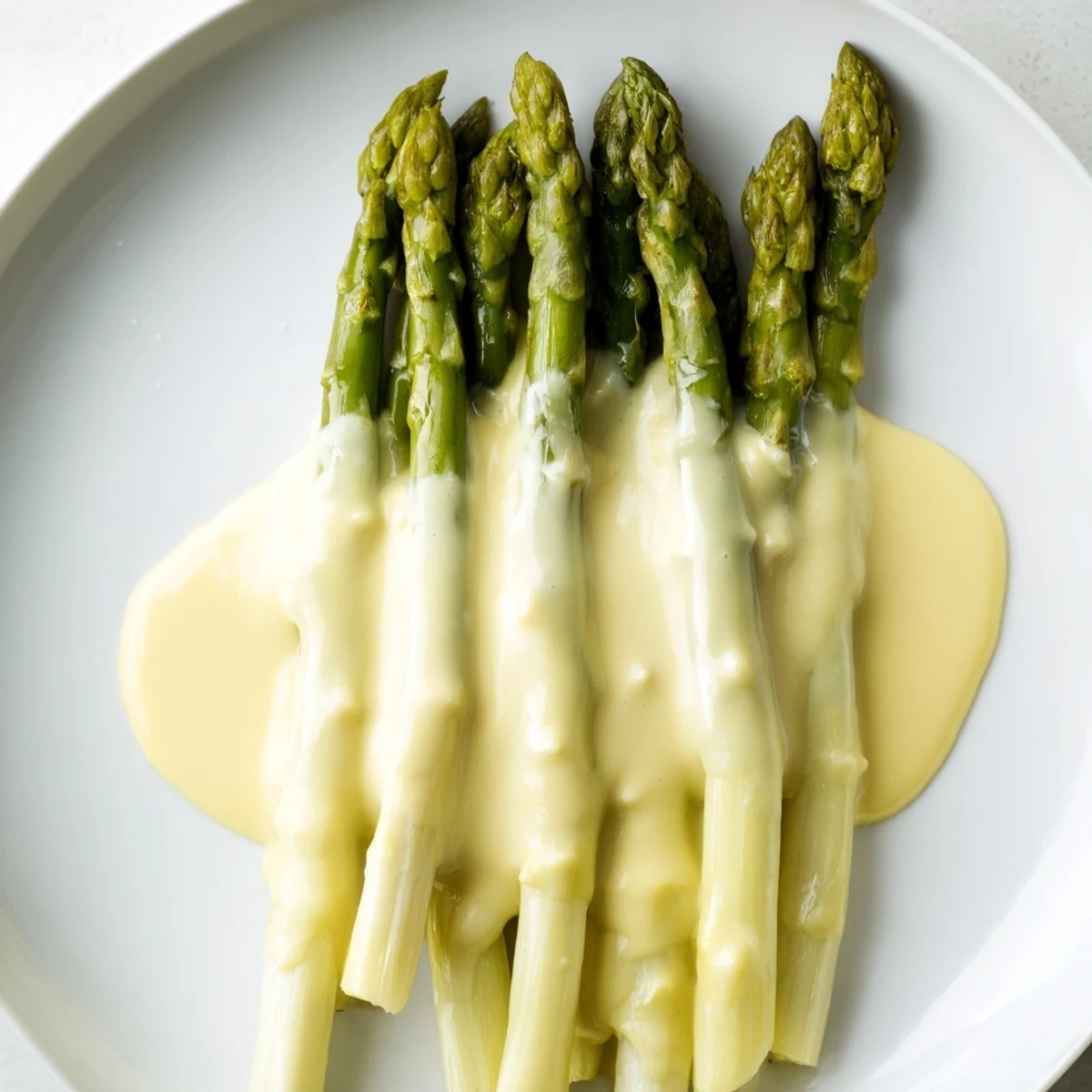
Save Something magical happens when you bite into that roasted spear with the warm sauce coating it. The slight char from the oven meets this cloud of buttery richness and suddenly a vegetable side becomes the most memorable part of the meal.
Choosing The Best Asparagus
I have learned to look for stalks that are firm and dry, with tightly closed tips. If the asparagus looks at all wilted or the tips are starting to separate or look mushy, pass it by. The woody ends need to be snapped off where they naturally break. Thick stalks give you more substance while thin ones are more delicate and cook faster.
Mastering The Double Boiler
The water underneath your bowl should be at the barest simmer, not a rolling boil. You should see tiny bubbles at the bottom but the water should not be aggressively moving. Too much heat and your yolks will scramble instead of emulsifying. I keep a towel nearby in case any water from the steam tries to sneak into my sauce.
Serving Suggestions
This dish works beautifully alongside simple roasted chicken or a filet of fish. The richness of the hollandaise means you do not need a heavy protein to compete with it. I have also served these as an elegant starter course with nothing more than a squeeze of lemon and some crusty bread to catch any extra sauce.
- Chopped fresh tarragon or chives add a lovely herbal finish that brightens everything
- A microplane of lemon zest over the top makes the sauce sing
- Keep any leftover sauce warm in a thermos if you are serving a crowd
 Save
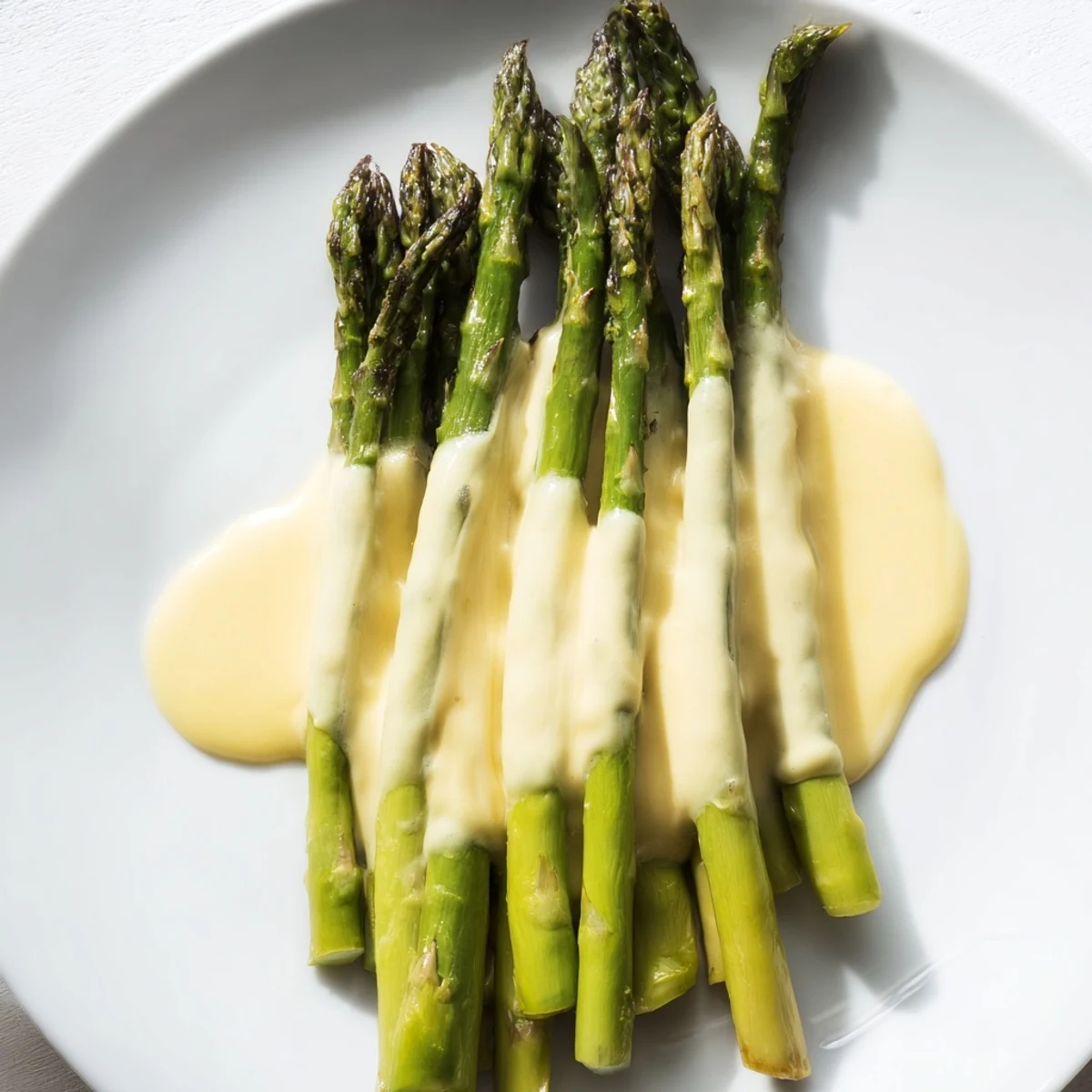
Save There is something deeply satisfying about mastering a sauce that feels fancy but comes together in minutes. This is the kind of recipe that makes you feel like you can cook anything.
Recipe FAQs
- → What is the best way to roast asparagus evenly?
-
Arrange asparagus spears in a single layer on a baking sheet and toss with olive oil, salt, and pepper to ensure even coating before roasting.
- → How can I prevent hollandaise sauce from breaking?
-
Whisk the egg yolks gently over simmering water while slowly adding warm melted butter, avoiding direct heat contact to maintain a smooth texture.
- → Can I prepare hollandaise sauce ahead of time?
-
Hollandaise is best served fresh and warm; reheating directly can cause it to separate, so prepare close to serving time.
- → Are there any suitable garnishes for this dish?
-
Chopped fresh chives or tarragon complement the flavors and add a touch of color and brightness.
- → Is this dish gluten-free and suitable for vegetarians?
-
Yes, it contains no gluten and uses vegetarian-friendly ingredients like asparagus, eggs, and butter.