
 Save
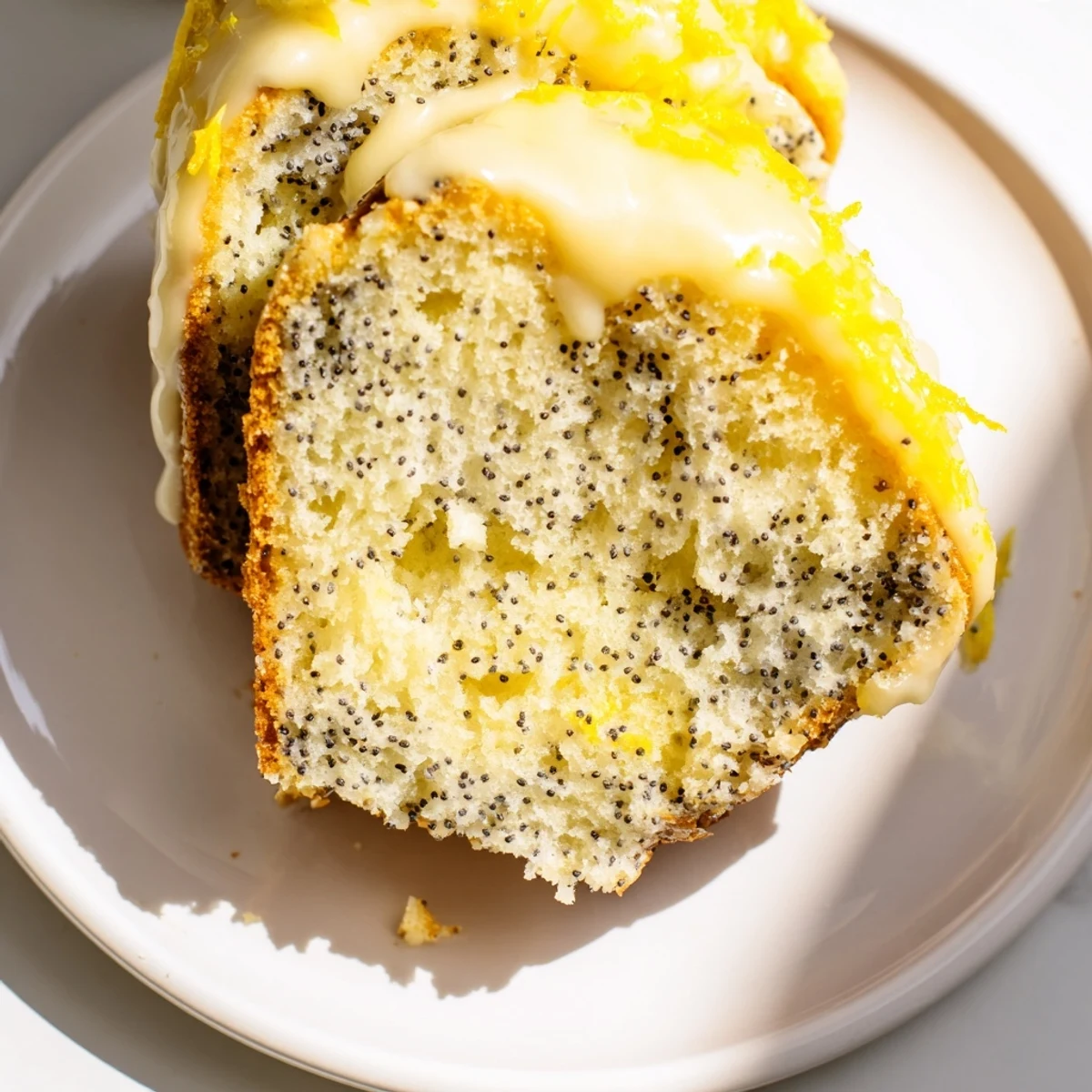
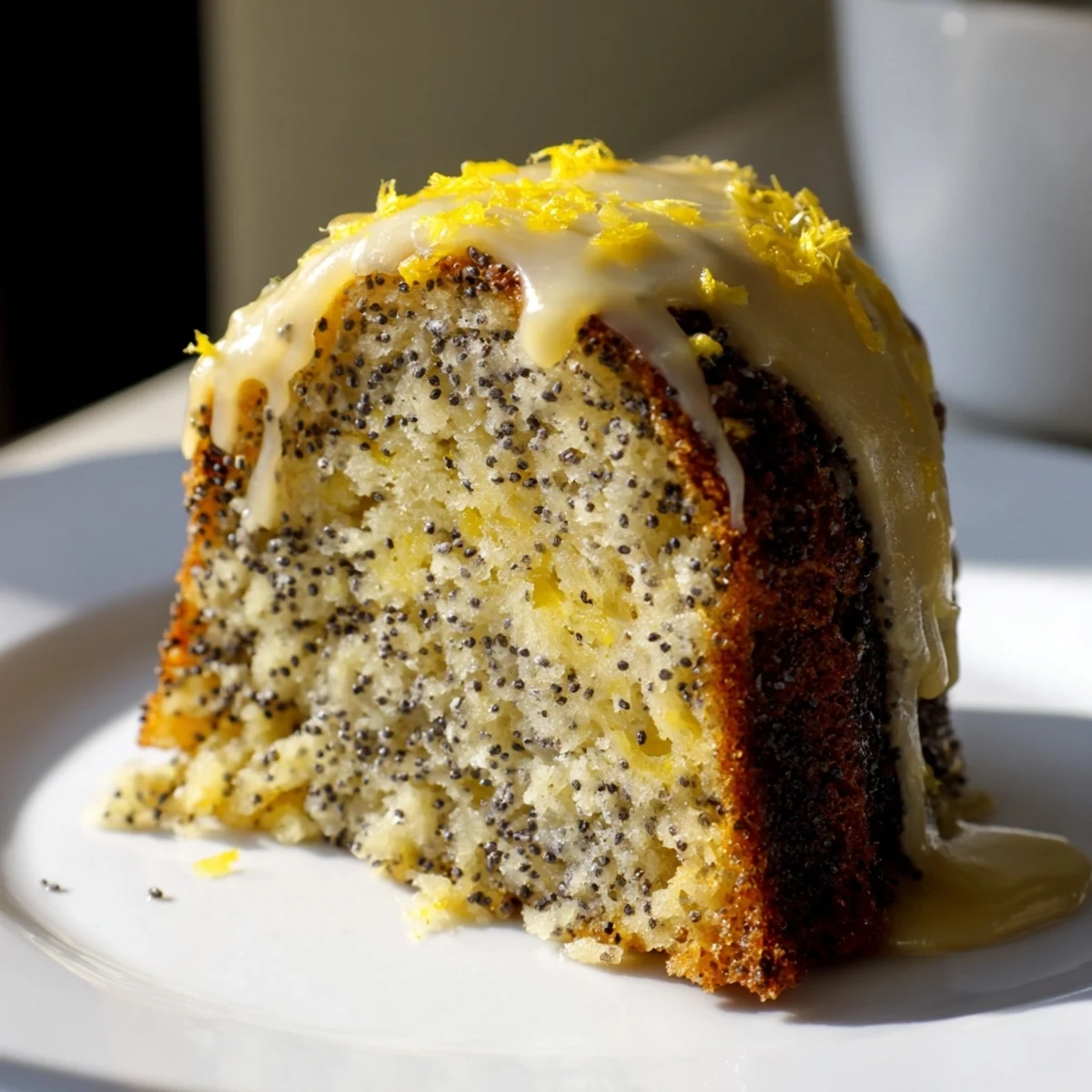
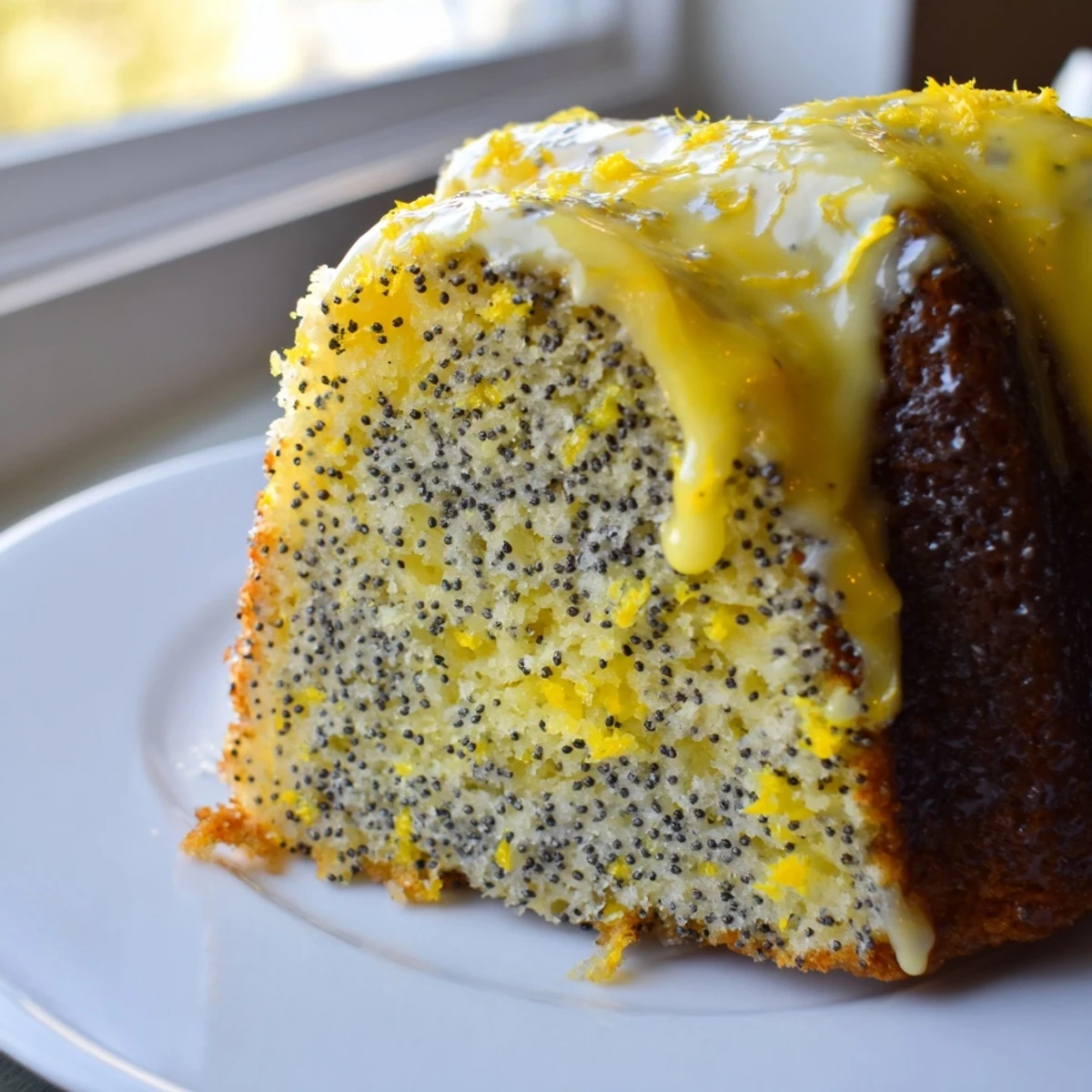
Save This bundt cake combines moist, tender crumb with bright lemon flavor and crunchy poppy seeds. A smooth lemon cream glaze finishes it off, adding a creamy tang that complements the cake's citrus notes. Preparation is simple, involving mixing dry ingredients separately before combining with butter, sugar, eggs, and dairy. Baking yields 12 servings of a delightful dessert ideal for gatherings or an elegant treat. Cooling before glazing ensures a glossy finish that enhances both appearance and taste.
There's something about the smell of lemon zest hitting hot butter that makes a kitchen feel like spring, no matter the season outside. I first made this bundt cake on a grey February afternoon when I needed to feel like something good was happening, and the bright citrus did exactly that. The poppy seeds add this subtle nuttiness that sneaks up on you, while the glaze—oh, that lemon cream glaze—transforms it from a nice cake into something you find yourself slicing into again before dinner. It's become the cake I reach for when I want people to feel welcomed, or when I'm just cooking for the quiet satisfaction of it.
I made this for my neighbor's book club once, and she texted me the next day saying she'd eaten a slice at midnight in her kitchen. That's when I knew the recipe had hit something true—when it makes people sneak back for more in their pajamas.
Ingredients
- All-purpose flour (3 cups): This is your structure; make sure it's fresh and aerated by whisking it a few times before measuring, or you might end up with a denser crumb.
- Poppy seeds (2 tablespoons): They're small but mighty—don't skip them, and toast them lightly in a dry pan for 30 seconds if you want even deeper flavor.
- Baking powder and baking soda: Check the dates on these; old leavening is the silent killer of bundt cakes.
- Unsalted butter (1 cup): Room temperature is non-negotiable here; cold butter won't cream properly and you'll fight the whole process.
- Granulated sugar (2 cups): The 3–4 minutes of creaming is where magic happens, so don't rush it—watch for pale, fluffy clouds.
- Eggs (4 large): Room temperature eggs integrate smoothly; cold ones can cause curdling and uneven mixing.
- Lemon zest and juice: Fresh is everything; bottled juice tastes hollow compared to real lemons, and the zest brightens the whole thing.
- Vanilla extract: Just a teaspoon—it whispers in the background without announcing itself.
- Sour cream and whole milk: Together they create tenderness; the sour cream brings tang and moisture, the milk keeps it from being too dense.
- Powdered sugar, heavy cream, and lemon zest for glaze: The cream mellows the tartness, making the glaze taste like a gentle frosting rather than pucker-inducing syrup.
Instructions
- Prep your pan and oven:
- Preheat to 350°F and get your bundt pan buttered and floured—be thorough, especially in the grooves, because a stuck cake is a sad cake. A bundt pan is an investment, so treat it with respect.
- Dry ingredients meeting point:
- Whisk flour, poppy seeds, baking powder, baking soda, and salt together. This isn't just mixing; it's distributing the leavening evenly so your cake rises with confidence.
- Butter and sugar becoming friends:
- Beat them together until the mixture is pale and fluffy—usually 3–4 minutes with an electric mixer. You're aerating the butter, which helps the cake rise and stay tender; rush this and you'll feel it in the crumb.
- Eggs joining the party:
- Add them one at a time, beating well after each. If you dump them all in at once, they'll slip through without fully incorporating and you'll have streaky batter.
- Lemon brightness:
- Mix in zest, juice, and vanilla. The zest has oils that need to distribute evenly, so a full minute of beating here pays off.
- The gentle fold:
- On low speed, alternate adding flour mixture and the sour cream–milk combo, starting and ending with flour. This is where patience matters—overmixing develops gluten and toughens the cake.
- Into the pan:
- Pour batter into the bundt pan and smooth the top gently. A small offset spatula helps avoid air pockets.
- Baking watch:
- Bake 45–50 minutes until a toothpick comes out clean. At 45 minutes, insert a toothpick in the thickest part; if it comes out with just a crumb or two, you're done.
- Cool first, invert second:
- Let it rest in the pan for 15 minutes—this gives the structure time to set. Then run a thin knife around the edges, place a wire rack on top, and flip it over confidently.
- Glaze magic:
- Whisk powdered sugar, lemon juice, cream, and zest until smooth. The consistency should be like heavy cream—thick enough to coat but thin enough to flow. Taste it; if it's too tart, add more sugar; if it's too sweet, add more lemon juice.
- Final glaze-over:
- Once the cake is completely cool, drizzle the glaze over the top and let it set for 30 minutes before slicing. This isn't just decoration; it's the finishing touch that makes people pause.
 Save
Save The first person to taste this cake was my mom, and she got quiet for a second in that way that means she's thinking about how to describe something good. She said it tasted like someone had figured out how to make a cake taste like springtime itself. That moment—her quiet, thoughtful bite—became the real reason I keep making it.
The Science of the Sour Cream
Sour cream is the secret weapon here, and I learned this the hard way after making the cake with plain yogurt once and ending up with something that felt slightly off, slightly dense. The tanginess of sour cream isn't just flavor; it reacts with the baking soda to create lift and also keeps the crumb incredibly moist. This is why substituting it with regular milk never quite lands the same way, even though plenty of recipes claim it works. The acid-to-fat ratio in sour cream is specifically designed to make cakes tender, which is why this particular cake stays soft for three days straight.
Timing, Temperature, and Trust
Bundt cakes have a reputation for being temperamental, and it's usually because people rush them or don't trust the process. The 15-minute cool-down in the pan isn't wasted time; it's the cake setting its structure so it doesn't crack or crumble when it hits the rack. I learned this after flipping a cake too early and watching it tear apart—now I use a timer I can actually hear, not just check on my phone. Temperature matters too; if your kitchen is cold, let ingredients sit out longer. If it's warm, work a bit faster. The cake is forgiving if you're thoughtful about it.
When to Make This Cake
This is the cake for when you want someone to feel celebrated without making a fuss, for when spring feels impossible and you need proof it's coming, or for Tuesday afternoons when you just want to bake something that makes your home smell incredible. It pairs beautifully with Earl Grey tea—the bergamot and lemon are best friends—or with a glass of sparkling wine if you're feeling fancy. It's also the cake that improves with time, so baking it a day ahead is never a mistake.
- Store it covered at room temperature for up to three days; the glaze keeps it sealed and beautiful.
- Slice it with a hot, wet knife for clean edges that look intentional.
- If you want extra lemon punch, add a teaspoon of lemon extract to the batter, but go easy—it's concentrated.
 Save
Save This cake has become the one I make when I want to feel capable and generous at the same time, and that's a feeling worth coming back to. Make it, share it, and watch how it becomes part of someone's good memory too.
Recipe FAQs
- → What gives the cake its lemon flavor?
-
The cake uses finely grated lemon zest and fresh lemon juice, which infuse vibrant citrus notes throughout the batter and the glaze.
- → How can I ensure the poppy seeds are evenly distributed?
-
Whisking the poppy seeds with the dry ingredients before combining with wet ingredients helps distribute them uniformly throughout the cake.
- → Can I substitute sour cream in the batter?
-
Yes, Greek yogurt can be used instead of sour cream for a slightly tangier flavor and similar moisture content.
- → What is the best way to apply the lemon cream glaze?
-
Once the cake has fully cooled, drizzle the glaze evenly over the top and allow it to set for a smooth, glossy finish.
- → How should I store the bundt cake?
-
Keep the cake covered at room temperature, which preserves its moisture and texture for up to three days.