
 Save
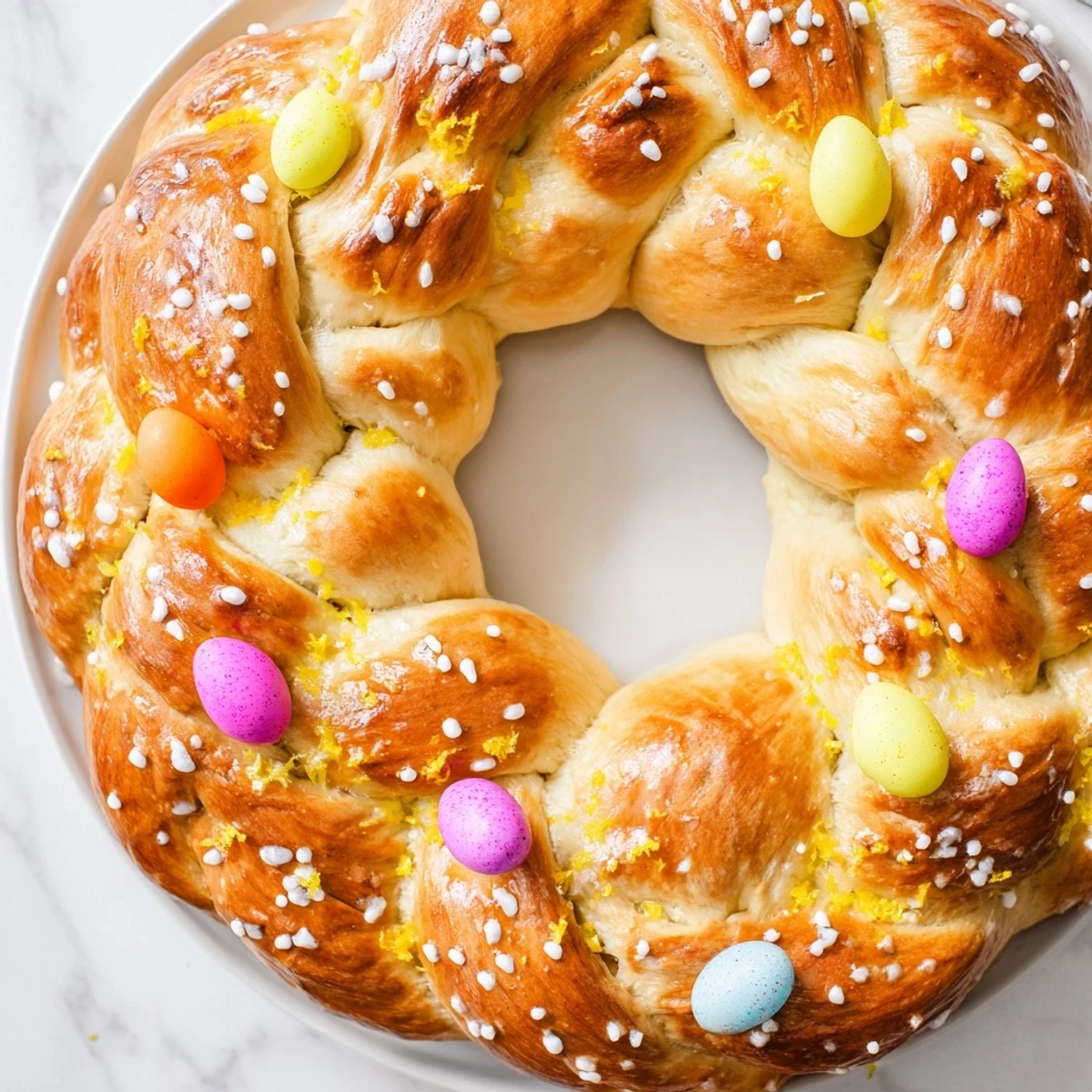
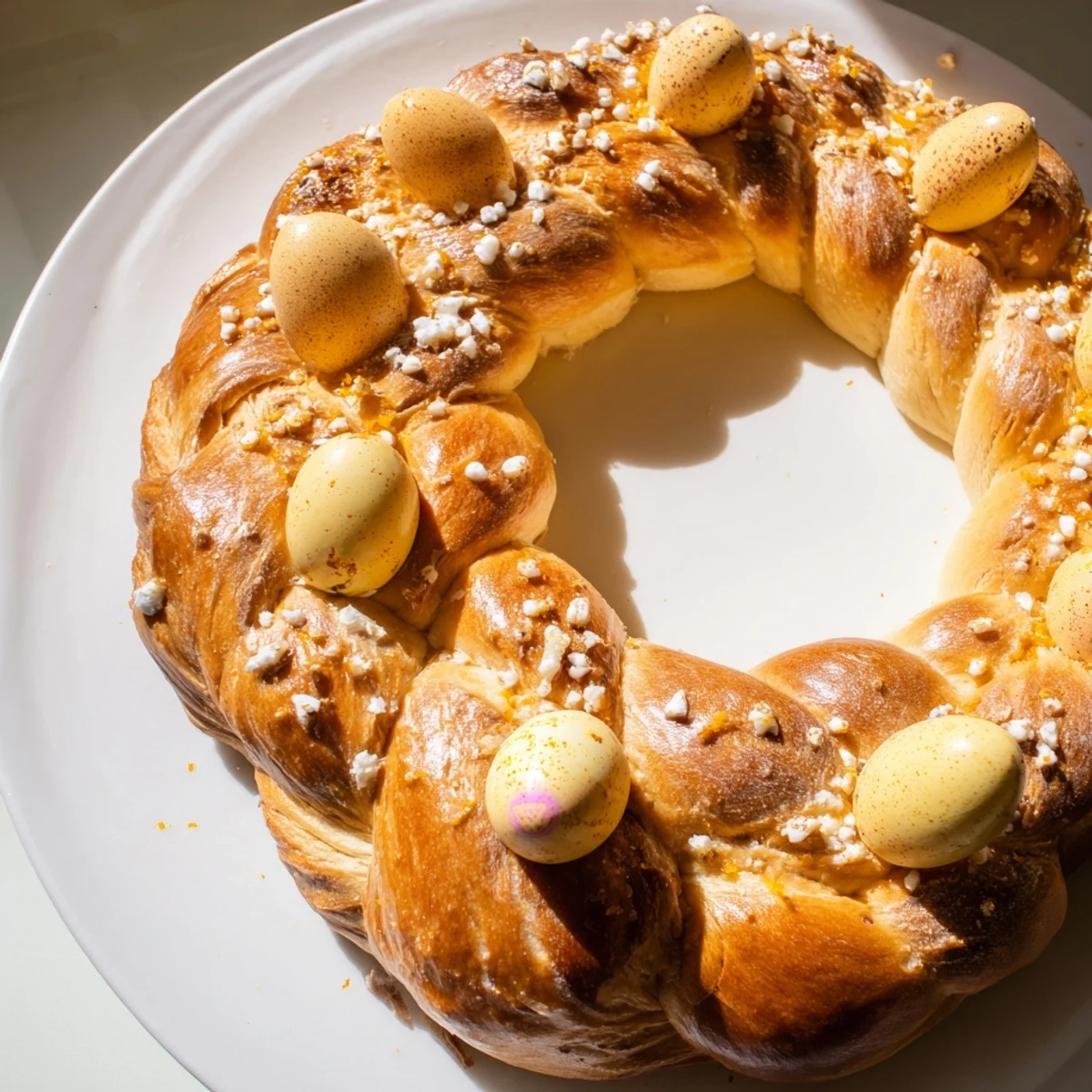
Save This elegant braided bread wreath features a lightly sweet dough infused with lemon zest and vanilla. After a thorough rising, the dough is braided, shaped into a ring, and decorated with vibrant colored eggs nestled within the braid. Brushed with milk and sprinkled with sugar, it bakes to a golden crust with a tender crumb inside. Perfect warm or room temperature, this festive bread brings a cheerful touch to holiday tables and can be flavored with cardamom for added spice.
Last Easter, my grandmother finally taught me the bread wreath technique shes been perfecting for decades. We stood in her tiny kitchen with flour dusting every surface, her hands moving instinctively while I fumbled through the braiding. The yeast smell filled the whole house, something that immediately transports me back to childhood holidays. When we pulled that golden wreath from the oven, eggs nestled perfectly in the braid, I understood why this recipe has survived four generations.
I brought my first attempt to a potluck and watched it disappear in minutes. Someone asked if I'd spent hours on it, which was technically true with all the rising time, but the actual work was surprisingly manageable. The kids went straight for the colorful eggs first, then circled back for seconds of the bread itself. Seeing people gather around that wreath, breaking off pieces and talking, made all the waiting worth it.
Ingredients
- 4 cups all-purpose flour: Bread flour works too, but regular flour gives a tender crumb that's perfect for this slightly sweet dough
- 1/2 cup granulated sugar: This amount makes it gently sweet without crossing into dessert territory
- 2 1/4 tsp active dry yeast: One standard packet, but check the expiration date because old yeast is the silent killer of bread recipes
- 3/4 cup whole milk, lukewarm: Warm to about 110°F, like bathwater temperature, otherwise the yeast wont wake up properly
- 1/4 cup unsalted butter, melted: Let it cool slightly after melting so it doesnt scramble your eggs when you mix everything together
- 2 large eggs, room temperature: Cold eggs can shock the dough and mess with your rising time
- 1/2 tsp salt: Essential for balancing the sweetness and bringing out the lemon flavor
- 1 tsp vanilla extract: Pure vanilla makes a noticeable difference in the aroma
- Zest of 1 lemon: Use a microplane if you have one, and avoid the bitter white pith underneath
- 5-6 dyed raw eggs: Color them yourself with food coloring and vinegar, or buy naturally dyed eggs for a rustic look
- 2 tbsp milk for egg wash: This creates that beautiful golden shine without the expense of using another whole egg
- 1 tbsp granulated sugar for sprinkling: Totally optional, but adds a lovely sparkle and extra sweetness to the crust
Instructions
- Wake up the yeast:
- Dissolve the yeast in lukewarm milk with one tablespoon of sugar, then walk away for 5 to 10 minutes. You're looking for a foamy layer on top that tells you the yeast is alive and working.
- Whisk the dry ingredients:
- In your largest bowl, combine the flour, remaining sugar, salt, and lemon zest. Make a well in the center like you're building a little flour fort.
- Bring it together:
- Pour in the yeast mixture, melted butter, eggs, and vanilla. Mix with a wooden spoon or your hands until a shaggy dough forms.
- Knead until smooth:
- Work the dough on a floured surface for 8 to 10 minutes, or let your stand mixer do the heavy lifting with the dough hook. The dough should feel smooth and spring back when you poke it.
- First rise:
- Place the dough in a greased bowl, turning once to coat all sides, then cover and find the warmest spot in your kitchen. Let it double in size, which takes about 1 to 1.5 hours.
- Shape the ropes:
- Punch down the dough gently and divide it into three equal pieces. Roll each into a 20-inch rope, trying to keep them the same thickness so your braid looks even.
- Braid and form the wreath:
- Braid the three ropes together, then carefully form the braid into a circle. Pinch the ends tightly to seal so the wreath doesn't come apart during baking.
- Nestle the eggs:
- Transfer your wreath to a parchment-lined baking sheet. Gently tuck the colored eggs into the braid spaces, spacing them evenly around the circle.
- Second rise:
- Cover loosely with a clean towel and let it rise for another 30 to 45 minutes. The wreath should look puffy and feel pillowy to the touch.
- Bake to golden perfection:
- Preheat your oven to 350°F and brush the dough only with milk, avoiding the eggs. Bake for 25 to 30 minutes until the crust is deep golden brown and sounds hollow when tapped.
 Save
Save My sister insisted we make mini wreaths one year instead of one big one. We ended up with eight individual servings, each with its own colored egg tucked inside. Everyone loved having their own personal wreath, and it solved the inevitable debate about who gets the section with the most eggs. Now it's become our new family tradition.
Making The Most Beautiful Colored Eggs
The eggs you choose matter more than you might think. White eggs produce the most vibrant, true colors, while brown eggs give you deeper, earthier tones. I've learned that dyeing them the day before lets the colors really penetrate the shell, and a splash of white vinegar in the dye bath makes the colors pop. Just remember to handle them gently after dyeing, since raw eggshells are surprisingly fragile and you don't want any cracks before baking.
Getting That Perfect Rise
Temperature is everything when it comes to yeast bread. I used to struggle with dough that wouldn't rise until I learned to preheat my oven for exactly one minute, then turn it off and place the dough inside. The gentle warmth creates the perfect environment without killing the yeast. If you're in a hurry, you can also place your dough bowl on top of a preheating oven, but be careful not to let it get too hot or the butter will start to melt out of your dough.
Serving And Storing Your Easter Wreath
This bread is best served the same day it's baked, ideally still slightly warm from the oven. The soft texture and fragrant lemon-vanilla aroma fade after the first day, though it's still delicious. If you somehow have leftovers, wrap individual slices in plastic and freeze them for up to a month.
- Warm frozen slices in a 300°F oven for about 10 minutes to refresh them
- Serve with salted butter for a sweet and salty combination
- The baked eggs inside are perfect for a quick breakfast the next morning
 Save
Save There's something deeply satisfying about breaking bread that looks this beautiful with people you love. The colored eggs hidden inside are like little edible surprises, waiting to be discovered. Happy baking, and may your Easter table be filled with warmth and wonder.
Recipe FAQs
- → How do I color the eggs safely?
-
Use food coloring mixed with vinegar and water to dye uncooked eggs. The eggs bake safely within the bread during cooking.
- → Can I add spices to the dough?
-
Yes, adding 1/2 teaspoon of ground cardamom offers a warm, spiced flavor that complements the sweetness.
- → What is the best way to shape the dough?
-
Divide the dough into three portions, roll each into ropes about 20 inches long, braid them, then form a ring, pinching ends to seal.
- → How long should the dough rise before baking?
-
Allow the dough to rise until doubled in size, about 1 to 1.5 hours, then shaped and rise again for 30 to 45 minutes before baking.
- → How to achieve a shiny crust?
-
Brush the dough with milk before baking or substitute with a beaten egg for a glossier finish.
- → How long does the bread keep fresh?
-
Store leftovers in an airtight container for up to two days to maintain freshness.