
 Save
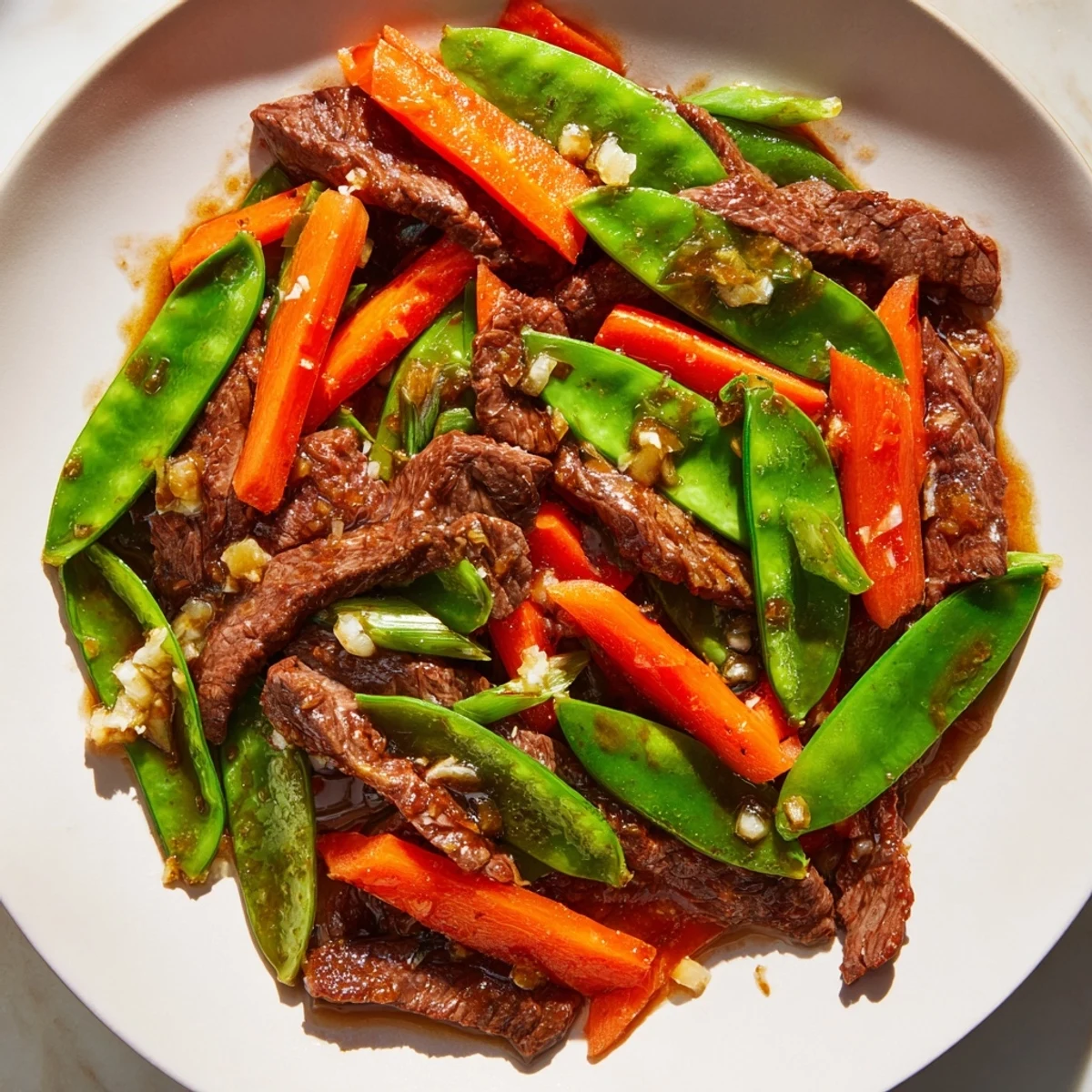
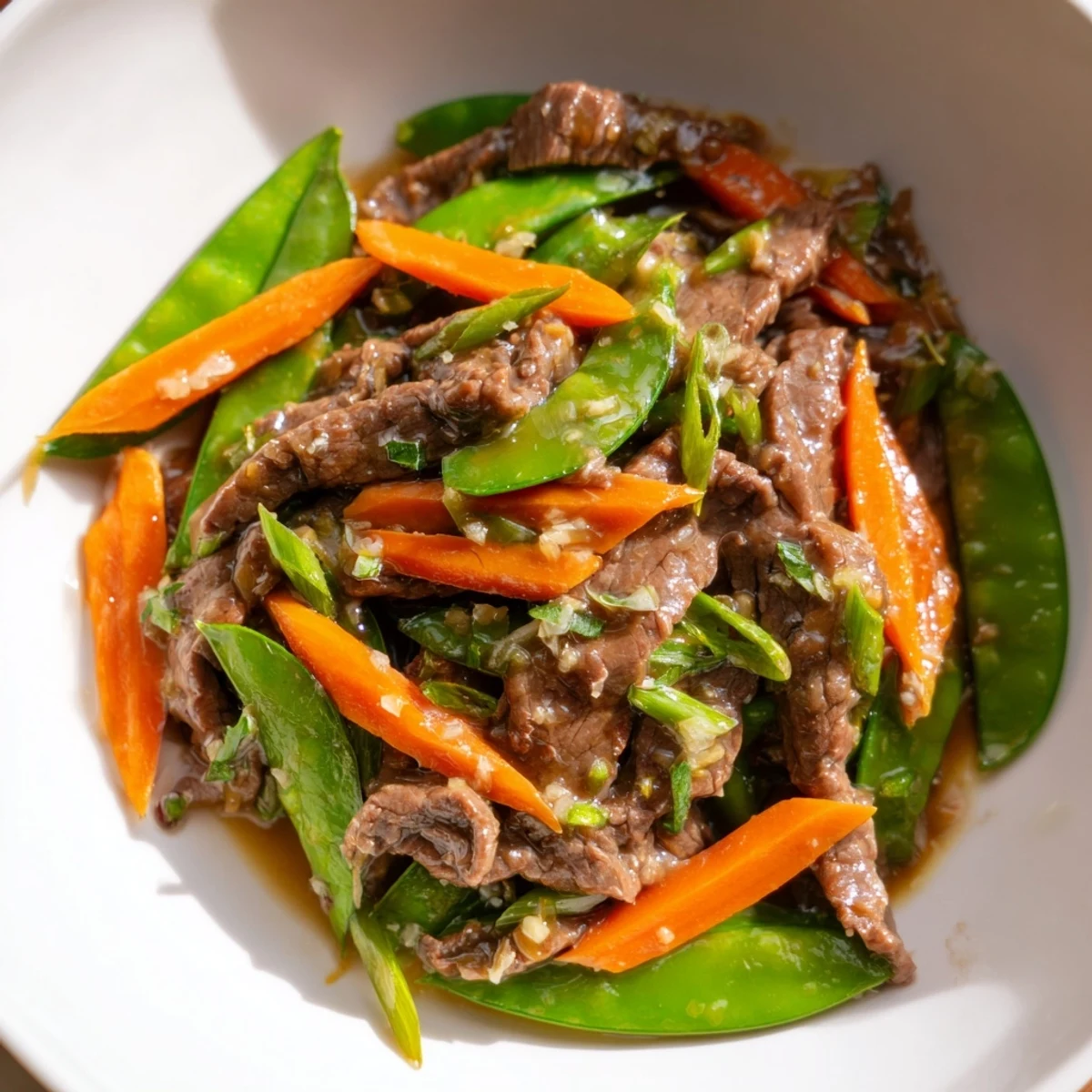
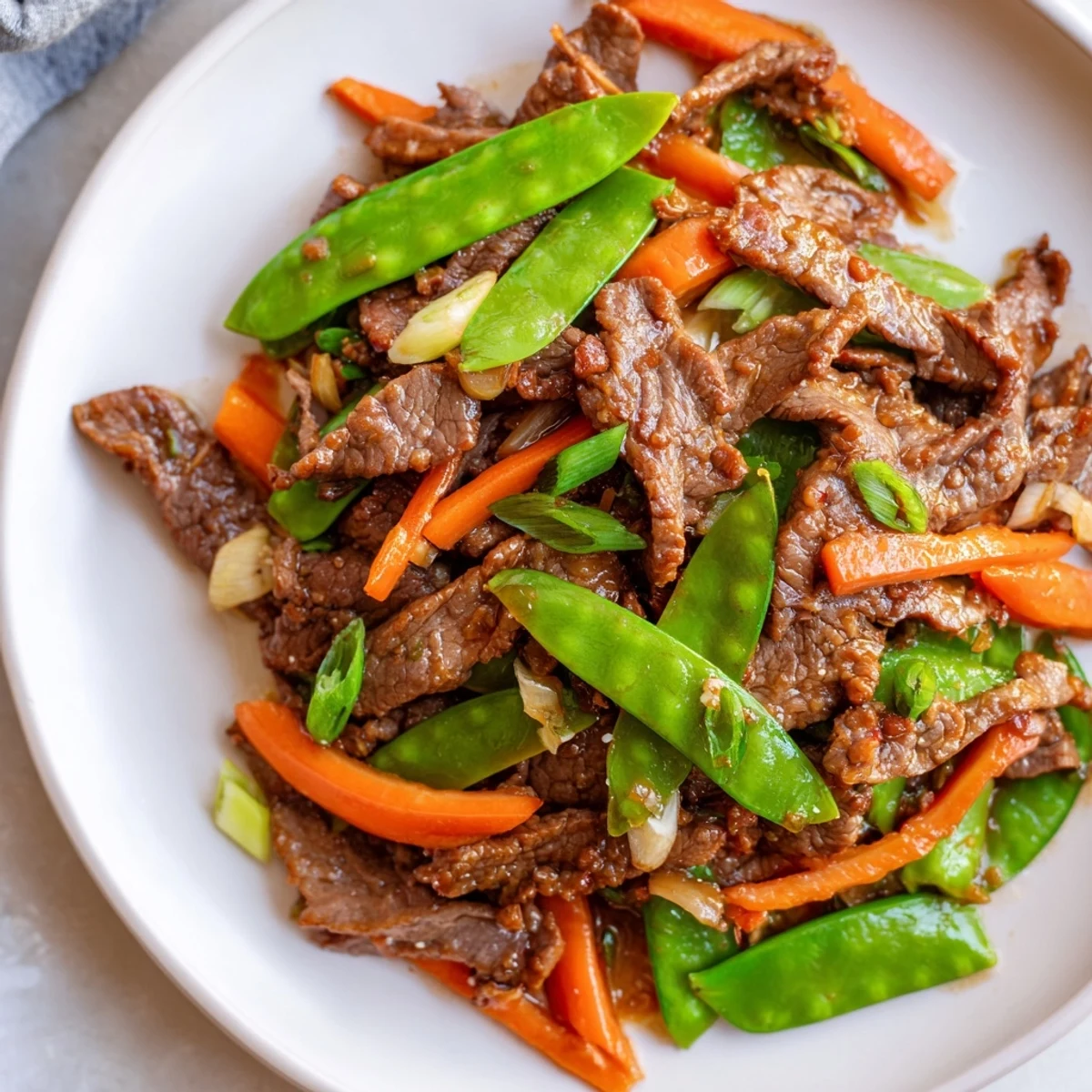
Save This dish features tender strips of beef stir-fried together with crisp snow peas, sliced carrots, and fresh ginger in a flavorful savory sauce. The beef is marinated briefly to enhance its texture and flavor, then quickly cooked over high heat to keep the vegetables vibrant and crunchy. A harmonious blend of soy sauce, oyster sauce, and a hint of sweetness brings the components together, making for a lively and satisfying meal perfect for a quick weeknight dinner.
There's something about the sizzle of hot oil meeting cold beef that makes me feel like I'm actually cooking, not just following orders. The first time I made this stir-fry, I was rushing through dinner prep on a Tuesday, and the kitchen filled with this sharp, clean smell of ginger that cut right through my afternoon fog. My partner wandered in asking what smelled so good, and suddenly the weeknight felt less like an obligation and more like an event. That's when I realized this dish wasn't just fast—it was the kind of meal that makes people stop and pay attention.
I made this for my sister when she was visiting last spring, and she kept asking if I'd changed something about my cooking. It wasn't a compliment about technique—it was the way the ginger lingered in the background, how the colors on the plate actually matched what was in her mouth. She asked for the recipe while we were still eating, which felt like the highest form of flattery.
Ingredients
- Flank steak or sirloin, thinly sliced: Buy a piece slightly frozen, then slice it against the grain—this small move makes the difference between chewy disappointment and melt-in-your-mouth beef that surprises you.
- Soy sauce: Split into two roles here: the marinade softens the beef while the sauce version builds flavor depth.
- Cornstarch: Once in the marinade to create a silky coating, once in the sauce to thicken it into something that actually clings to your vegetables instead of running off.
- Sesame oil: Just a teaspoon in the marinade, but it whispers richness that you can't quite identify—guests will ask what you did differently.
- Snow peas and carrots: The diagonal slice on carrots isn't just pretty; it increases surface area so they cook faster and absorb more sauce.
- Fresh ginger and garlic: The ginger needs to be freshly grated, not from a jar—there's a brightness to it that jarred versions lose.
- Oyster sauce: The secret ingredient that adds umami depth without announcing itself.
- Rice vinegar and honey: A small amount of each creates balance; the vinegar cuts through richness while honey rounds everything out.
- Vegetable oil: High heat cooking demands neutral oil with a high smoke point.
Instructions
- Prepare and marinate the beef:
- Slice your beef against the grain and toss it with soy sauce, cornstarch, and sesame oil in a bowl. Let it sit while you prep everything else—10 minutes is just enough time for the beef to absorb flavor and the cornstarch to create that silky coating that makes all the difference.
- Mix your sauce ahead:
- Combine soy sauce, oyster sauce, rice vinegar, honey, water, and cornstarch in a small bowl and stir until the cornstarch dissolves. Having this ready means you won't scramble when things are moving fast.
- Sear the beef quickly:
- Heat 1 tablespoon of oil in your wok or skillet over high heat until it shimmers, then add the beef in a single layer. Let it sit for a minute before stirring—this creates a golden crust that locks in flavor. Remove it to a plate after 2-3 minutes when it's just browned on the outside.
- Build aromatics:
- Add the second tablespoon of oil to the wok, then immediately add garlic, ginger, and spring onions. Stir constantly for about 30 seconds until the kitchen smells incredible and you can see the garlic starting to turn golden at the edges.
- Cook vegetables to crisp-tender:
- Add carrots first since they take longer, stir-fry for 2 minutes, then add snow peas and keep moving everything for another 2 minutes. You want them to still have a slight resistance when you bite down, not soft.
- Bring everything together:
- Return the beef to the wok, pour in your sauce, and toss everything together for 1-2 minutes. Watch as the sauce thickens and transforms from liquid to a glossy glaze that coats every piece.
- Finish and serve:
- Taste as you go—sometimes I add an extra splash of soy sauce or a pinch of salt. Serve immediately over steamed rice or noodles while everything is still hot and the vegetables still have their snap.
 Save
Save There was an evening when I made this for friends who'd mentioned they were tired of cooking, and watching them relax at the table felt like I'd given them permission to rest. That's when I understood: a good stir-fry isn't just about speed—it's about giving people something that tastes like you cared, without the stress.
The Science of High Heat Cooking
High heat does something magical to beef and vegetables—it's called the Maillard reaction, where proteins and sugars brown and create hundreds of new flavor compounds. But this only works if your wok is truly hot and you're not overcrowding it. The moment you add too much food, the temperature drops and you get steaming instead of searing. I learned this the hard way when I tried to speed up dinner by throwing everything in at once and ended up with pale, sad vegetables.
Why Mise en Place Changes Everything
Having every ingredient prepped and measured before you start cooking isn't just organized—it's survival. Once you start searing beef over high heat, you have maybe 30 seconds before something needs your attention. If you're still chopping ginger at that moment, you've already burned something. I keep my prep bowls lined up like a little army, and it means I can actually be present in the cooking instead of panicking.
Adapting This Recipe to Your Kitchen
The beauty of stir-fries is they're more flexible than they seem. If you don't have snow peas, use broccoli florets or bok choy. If ginger intimidates you, start with half the amount and add more next time. The proportions matter less than understanding what you're aiming for: tender beef, crisp vegetables, and a sauce that clings without being heavy.
- Substitute chicken breast or firm tofu if beef isn't what you're craving that night.
- Add a sliced chili or pinch of chili flakes in step 4 if you want heat that builds slowly instead of hits you all at once.
- Serve over steamed rice, noodles, or even cauliflower rice depending on what you have and what you're in the mood for.
 Save
Save This meal exists in that perfect space where it feels special without demanding perfection. Make it on a random Tuesday and suddenly dinner tastes like something worth remembering.
Recipe FAQs
- → What cut of beef works best for this stir fry?
-
Flank steak or sirloin are ideal due to their tenderness and quick cooking properties when sliced thinly against the grain.
- → How can I keep the vegetables crisp?
-
Stir-fry over high heat for short bursts and add the vegetables in the order of their cooking times, ensuring they remain tender-crisp.
- → Can I substitute the snow peas with another vegetable?
-
Yes, sugar snap peas or green beans can be used as alternatives without compromising the dish's texture.
- → What is the function of cornstarch in the marinade and sauce?
-
Cornstarch helps tenderize the beef and thickens the sauce to coat the ingredients evenly.
- → How do I add spice to this dish?
-
Include sliced chili or chili flakes during the initial vegetable stir-fry step for a gentle heat boost.
- → Is it necessary to marinate the beef?
-
Marinating enhances tenderness and flavor but can be shortened if pressed for time.