
 Save
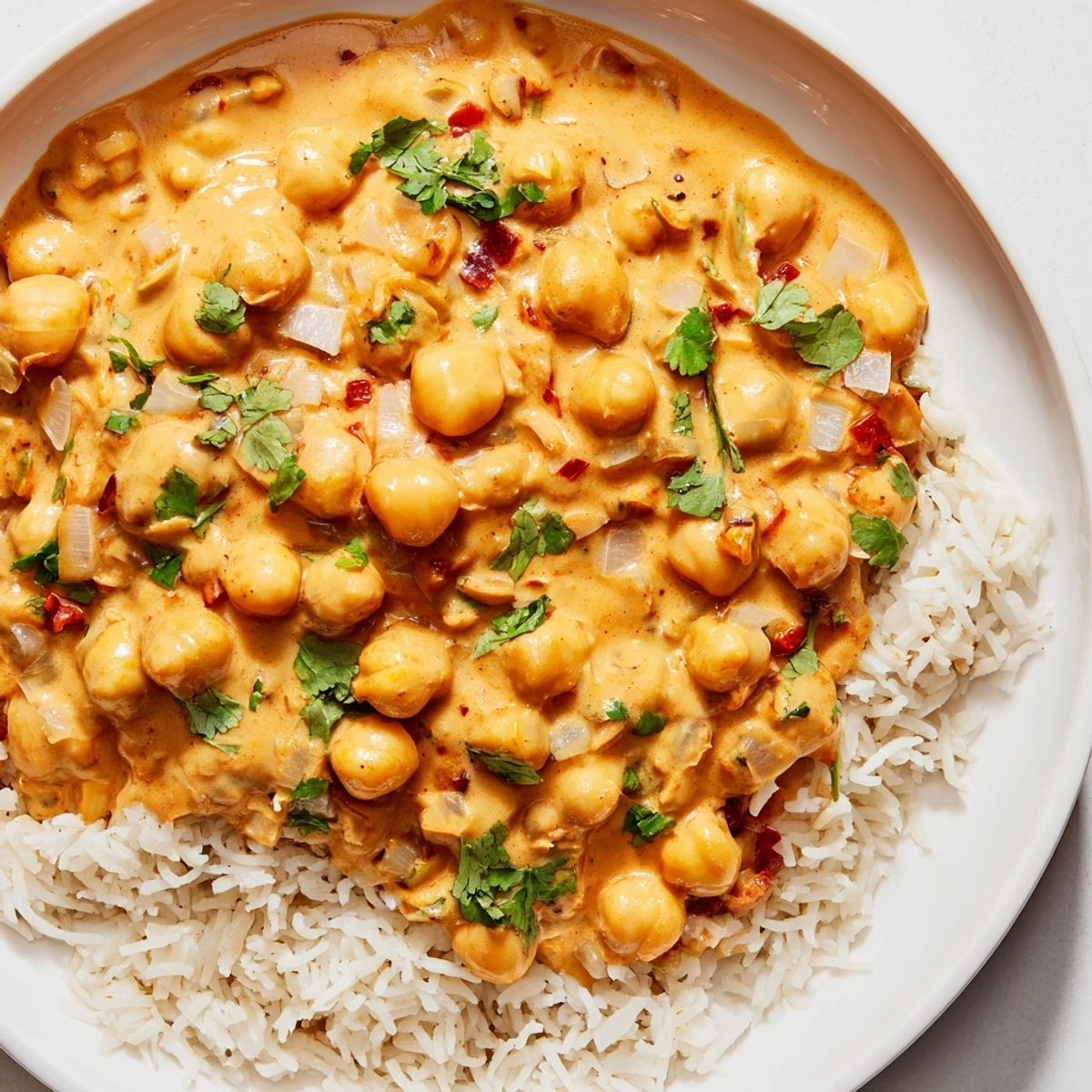
Save This dish features tender chickpeas simmered in a richly spiced, creamy sauce made with coconut milk and aromatic Indian spices such as garam masala, cumin, and turmeric. Served alongside perfectly cooked basmati rice, the meal balances warmth and comfort with fresh elements like lemon juice and cilantro. Ideal for those seeking a wholesome, flavorful plant-based dinner, it offers medium-level preparation with familiar ingredients and simple steps. Optional tweaks like adding spinach or adjusting heat provide versatile enjoyment.
There's something about the smell of toasted spices hitting hot oil that makes me stop everything and just breathe it in—that's when I know I'm making tikka masala the right way. I discovered this vegan version almost by accident, swapping cream for coconut milk one rainy Tuesday, and suddenly I had something that tasted like the real deal without any animal products. The chickpeas absorb all that warmth and richness, turning into something that feels far more indulgent than it actually is. It's become the recipe I make when I want comfort food that also happens to be kind to everyone at the table.
I made this for my partner's family dinner last spring, nervous because I'd only cooked for them once before, and I remember my mom tasting it and immediately asking for the recipe—not in a polite way, but in that insistent way that meant she genuinely loved it. That moment of watching someone's face soften when they take that first spoonful, realizing they're getting something unexpected and wonderful, is why I keep coming back to this dish.
Ingredients
- Coconut oil or vegetable oil (2 tablespoons): Coconut oil carries the warmth of the spices better, but vegetable oil works perfectly fine if that's what you have on hand.
- Large onion, finely chopped: This is your base—don't rush it, let it go soft and sweet before you add anything else.
- Garlic and fresh ginger: Fresh is non-negotiable here; the dried versions won't give you that brightness that balances the richness.
- Garam masala, cumin, coriander, turmeric, smoked paprika: Toast them together for just thirty seconds so they wake up and bloom in the oil.
- Cayenne pepper (optional): Start without it, taste at the end, then add a pinch if you want heat—you can't take it back.
- Canned diced tomatoes and chickpeas: Keep your pantry stocked with these; they're the backbone of quick, nourishing meals.
- Full-fat coconut milk: The fat is where the flavor lives; don't use the low-fat version or you'll lose that silky mouthfeel.
- Lemon juice and fresh cilantro: These come at the very end and brighten everything up, cutting through the richness with a gentle sharpness.
- Basmati rice: Rinsing it matters more than you'd think—it removes excess starch and helps each grain stay separate and fluffy.
Instructions
- Start the rice first:
- Rinse basmati rice under cold water, stirring gently with your fingers until the water runs clear—this takes patience but rewards you with fluffy grains instead of a gluey mess. Combine rinsed rice, three cups of water, and half a teaspoon of salt in a saucepan, bring to a boil, then cover and lower the heat to the gentlest simmer for fifteen minutes.
- Let it rest:
- Remove the rice from heat while still covered and let it sit for five minutes—this is when the magic happens and the grains firm up. Fluff it gently with a fork just before serving.
- Build your spice base:
- While rice cooks, heat oil in a large skillet over medium heat and sauté your chopped onion for five to six minutes, stirring occasionally, until it turns translucent and starts to smell sweet. You're not rushing this step; you're building flavor from the ground up.
- Toast the aromatics:
- Add minced garlic and grated ginger, cooking for just about one minute until the kitchen smells impossibly good and your ginger releases its sharp, warm scent. Don't let it brown or it'll taste bitter.
- Bloom the spices:
- Stir in garam masala, cumin, coriander, turmeric, smoked paprika, and cayenne, letting them toast in the oil for thirty seconds—you'll feel the shift when they release their essential oils and the color deepens. This is a crucial moment that separates flat-tasting curries from ones that sing.
- Add tomatoes and time:
- Pour in your canned diced tomatoes and let them cook for four to five minutes, stirring occasionally, as the tomato breaks down and marries with the spices. The sauce will darken and thicken slightly.
- Bring in the chickpeas:
- Add your drained and rinsed chickpeas, coconut milk, water or vegetable broth, salt, and black pepper, stirring everything together until smooth. Bring to a gentle simmer and let it bubble softly, uncovered, for fifteen to twenty minutes, stirring now and then, until the sauce thickens and coats the back of a spoon.
- Finish and taste:
- Stir in lemon juice and fresh cilantro, then taste—adjust salt, acid, or heat to your preference. This is your dish; make it sing the way you want it to.
- Serve together:
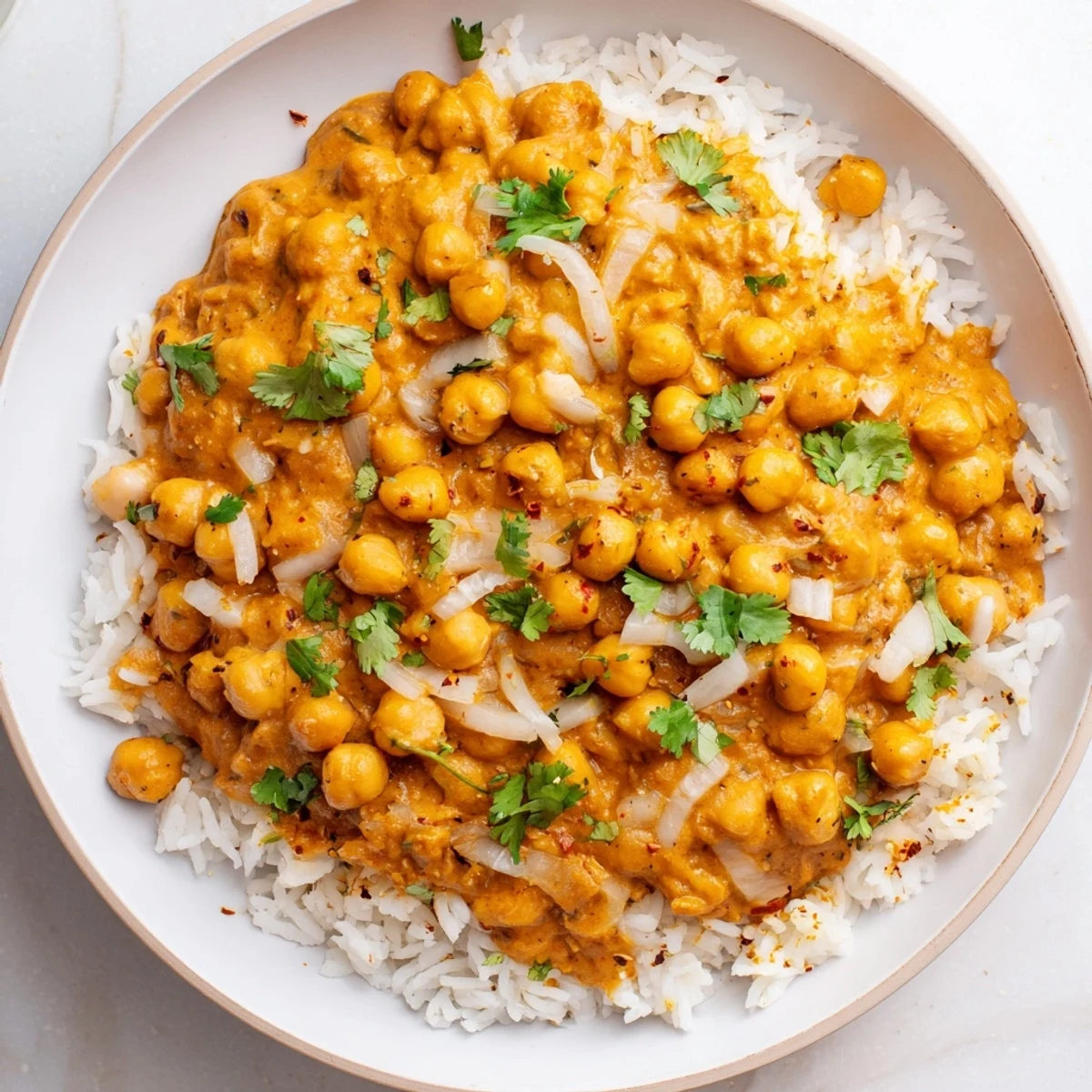
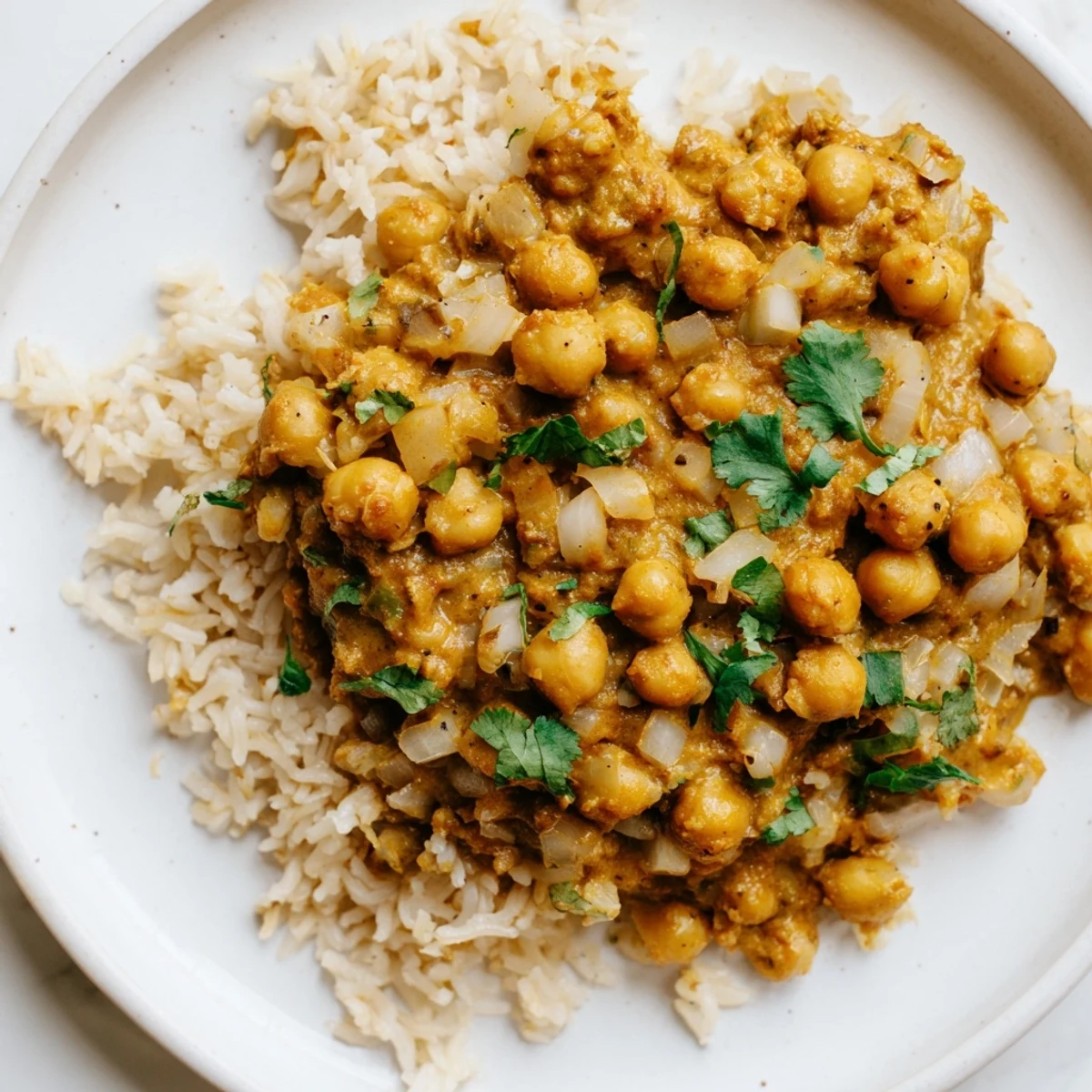
- Spoon the creamy chickpea curry over fluffy basmati rice and top with extra cilantro, letting the warmth and aroma do the inviting.
 Save
Save I served this to a friend who'd gone vegan just months before, and I watched her relax into her chair in a way I hadn't seen since the change happened—like she'd been holding her breath about food and could finally exhale. That's when I understood this recipe isn't just about feeding people; it's about making them feel like they belong at your table.
Making It Your Own
The beauty of this curry is how forgiving it is, how many small adjustments you can make without breaking it. Add a handful of fresh spinach in the final minutes if you want earthiness, or stir in some cooked peas for sweetness and color. Some nights I add a splash of apple cider vinegar if the sauce feels too heavy, or a pinch of fenugreek if I want something more complex. The chickpeas don't mind—they'll absorb whatever personality you bring to the pot.
Serving Suggestions
Basmati rice is the classic pairing, but this curry also loves a soft, warm naan or roti that you can use to scoop up every last bit of sauce. I've served it over quinoa when I wanted something nuttier, or alongside roasted vegetables when I was feeling fancy. The leftover sauce also makes an incredible filling for wraps or a topping for roasted cauliflower, so don't think of it as only a one-way dish.
Storage and Make-Ahead Magic
This curry tastes even better the next day, once the flavors have had time to settle and deepen—I often make it on Sunday and eat it all week. The sauce keeps beautifully in the refrigerator for up to four days, and it freezes just as well for up to three months, so you can make a double batch and save yourself a cooking day down the road.
- Reheat gently on the stovetop with a splash of water if the sauce has thickened too much, letting it warm through without boiling.
- Store rice separately from the curry to keep the rice fluffy and prevent it from absorbing too much sauce.
- Thaw frozen curry overnight in the refrigerator and reheat slowly for the best texture and flavor.
 Save
Save Every time I make this, I'm reminded that the best meals are the ones that make people feel seen and cared for, and this dish does that effortlessly. It's proof that vegan cooking isn't about what you're giving up—it's about what you're gaining in flavor, in connection, in the warmth of feeding someone well.
Recipe FAQs
- → What spices are key to the flavor?
-
Garam masala, cumin, coriander, turmeric, smoked paprika, and a hint of cayenne pepper create the distinctive, layered flavor.
- → How can I adjust the heat level?
-
Omit or reduce the cayenne pepper to lower the spice, while keeping warmth from the other spices.
- → What is the best way to cook the basmati rice?
-
Rinse the rice until water runs clear, then cook covered with water and salt on low heat until fluffy.
- → Can the sauce be thicker?
-
Mash some chickpeas gently to help thicken the creamy coconut milk sauce if desired.
- → Are there simple additions for extra nutrition?
-
Adding steamed spinach or peas introduces extra greens and enhances the dish’s nutritional value.