
 Save
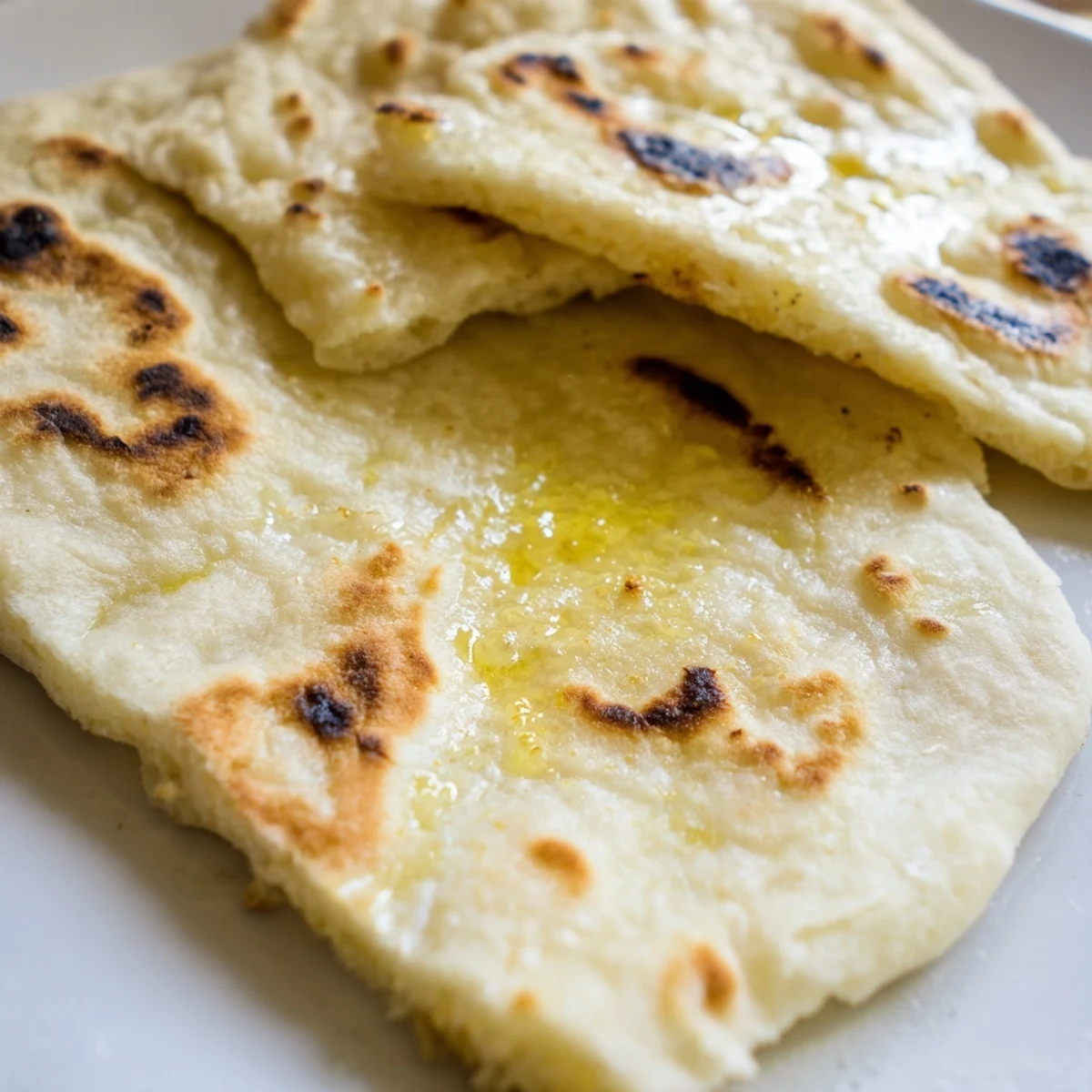
Save Create authentic Turkish Bazlama, a beloved flatbread prized for its soft, pillowy texture and golden, slightly chewy exterior. This traditional bread combines pantry staples with yogurt for tenderness, resulting in versatile rounds perfect for scooping dips, wrapping grilled meats, or simply savoring warm with melted butter.
The straightforward process involves mixing flour, yeast, and yogurt into a pliable dough that rises quickly. After dividing into portions and rolling thin, each round cooks in a hot skillet until puffed and beautifully spotted. The result captures the essence of Turkish home cooking—humble ingredients transformed into something extraordinary through simple technique.
The summer my neighbor returned from Istanbul, she kept talking about bread baked on a griddle, soft as clouds and perfect for scooping up everything from olive oil to spiced meats. I was skeptical until she made me watch the dough bubble and puff in her cast iron pan, the smell filling her tiny kitchen like something ancient and comforting. Now this recipe lives in my regular rotation because it turns ordinary ingredients into something magical.
Last winter I made double batches during a snowstorm, wrapping warm pieces around cheese for my roommates while we watched the backyard disappear under white. The way the bread creates its own little pockets when it hits the hot pan makes everyone pause and lean in closer, like we are watching something perform a small miracle.
Ingredients
- 500 g all-purpose flour: This amount creates enough dough for eight generous flatbreads that each puff beautifully in the pan
- 7 g instant dry yeast: One standard packet works perfectly here, no proofing tricks required
- 1½ teaspoons sugar: Just enough to wake up the yeast and add the barest hint of sweetness to the final bread
- 1 teaspoon salt: Essential for flavor, do not reduce or the bread will taste flat and disappointing
- 300 ml lukewarm water: Body temperature warm, not hot, or you will kill the yeast before it can work
- 125 g plain yogurt: Room temperature whole yogurt creates the softest, most tender crumb imaginable
- 1–2 tablespoons olive oil or melted butter: Optional but recommended for brushing the warm breads, adding richness and a beautiful sheen
Instructions
- Awaken the yeast:
- Combine the lukewarm water, yeast, and sugar in your largest bowl, then walk away for 5 to 10 minutes until you see a layer of foam on top.
- Add the yogurt:
- Stir in the room temperature yogurt until completely incorporated, creating a creamy base for the flour.
- Build the dough:
- Gradually mix in the flour and salt, stirring until the mixture becomes shaggy and sticky but holds together.
- Knead until smooth:
- Work the dough on a clean surface for 10 minutes, either by hand or with a mixer, until it feels silky and elastic under your fingers.
- Let it rise:
- Cover the bowl with a damp cloth and tuck it somewhere warm for 1 hour, checking occasionally until the dough has doubled in size.
- Divide into portions:
- Punch down the risen dough, turn it onto a lightly floured surface, and cut it into 8 equal pieces that you shape into smooth balls.
- Roll each round:
- Using a rolling pin, flatten each ball into circles about 15 cm across and 8 mm thick, keeping the thickness consistent.
- Heat your pan:
- Get a nonstick skillet or cast iron pan ripping hot over medium high heat, letting it come to full temperature before adding any dough.
- Cook the first side:
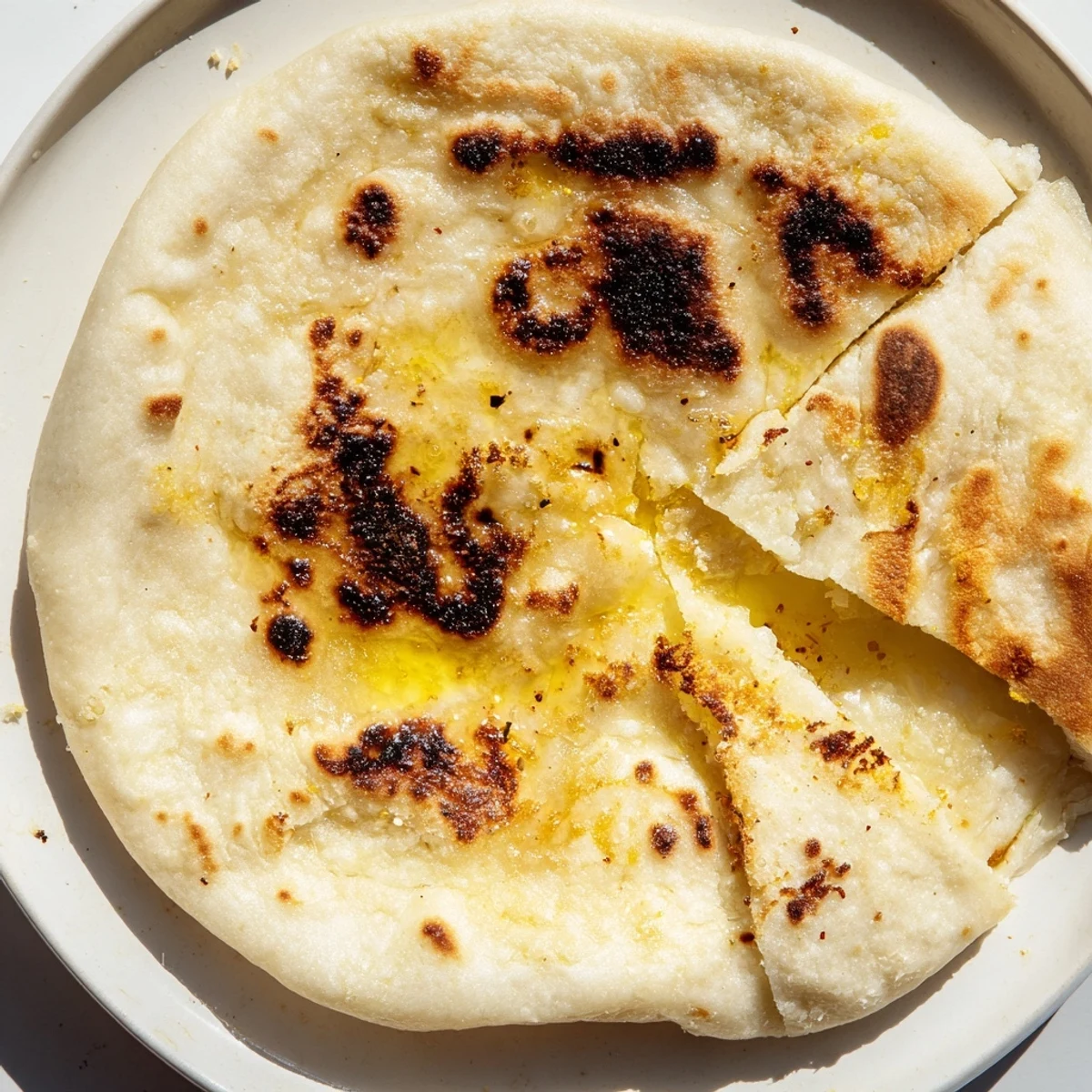
- Lay a flatbread in the dry pan and cook for 2 to 3 minutes until you see golden spots and the bread starts puffing up dramatically.
- Finish cooking:
- Flip and cook the second side for 1 to 2 minutes, then brush with oil or butter if using and keep the cooked breads covered with a kitchen towel.
 Save
Save My friend who refuses to cook anything involving yeast made these on her third try, texting me a photo at midnight because she was so proud. That is the power of a recipe that works every single time.
Making Them Ahead
The dough actually benefits from resting in the refrigerator overnight, developing deeper flavor and making it easier to roll thin. I often mix everything in the evening, let it rise once, then punch it down and store it in an oiled bowl until the next day.
Serving Suggestions
These breads transform any simple meal into something that feels like an occasion, especially when wrapped around grilled meats or torn and used to scoop up thick yogurt dips. I keep a stack on the counter during dinner parties and watch them disappear faster than anything else I have made.
Troubleshooting Common Issues
If your breads are not puffing, the pan might not be hot enough or the dough might be rolled too thin. Uneven cooking usually means your heat source has hot spots, so try rotating the pan or moving the bread to a different area during cooking.
- Sticky dough means you need a bit more flour, but add it gradually
- Dry bread indicates you may have overcooked it or skipped the yogurt
- Flat breads that do not bubble usually need a hotter pan or thicker dough
 Save
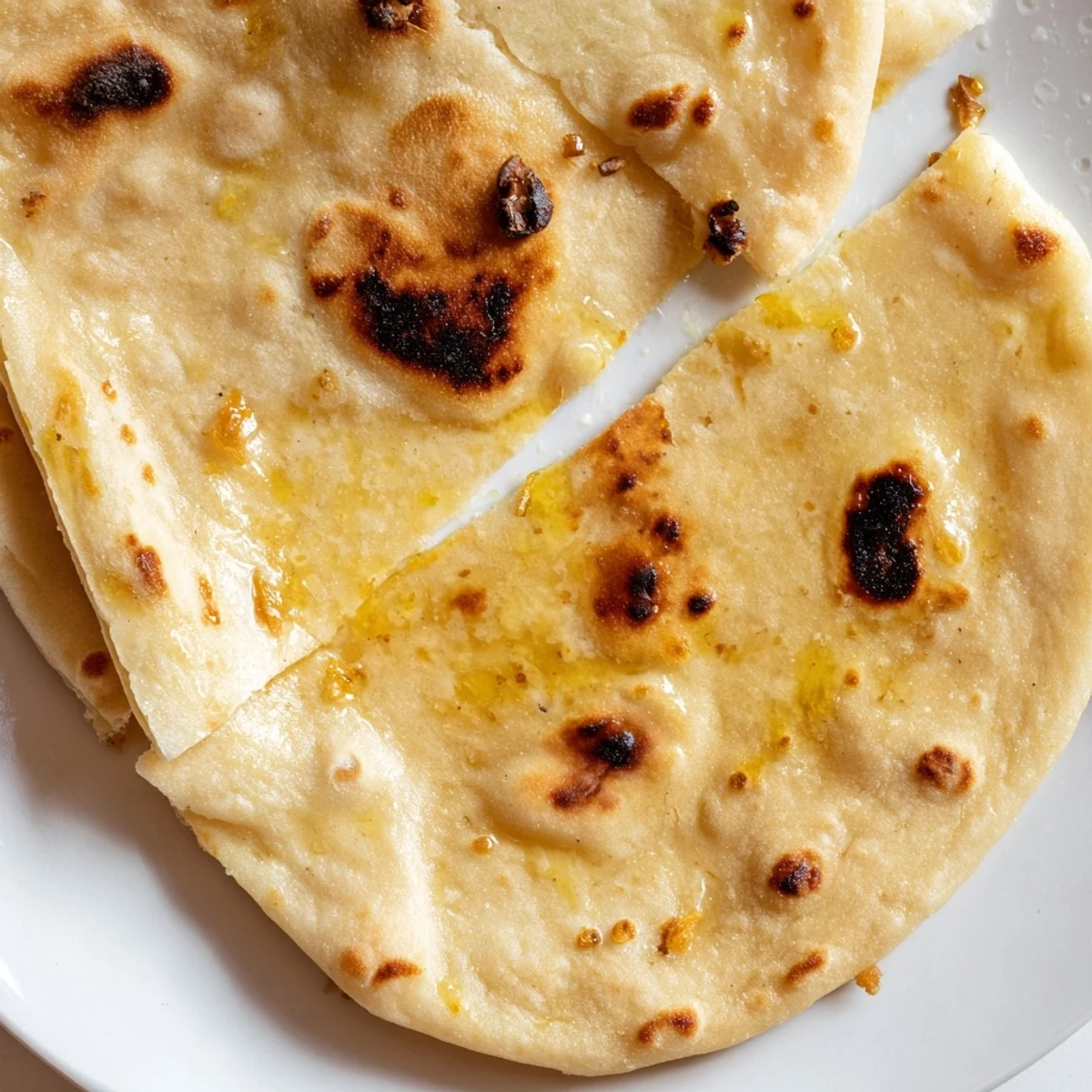
Save There is something deeply satisfying about pulling hot bread from a pan and eating it immediately, still steaming and tender. This recipe might just become the one you make without thinking, the bread that shows up on every table.
Recipe FAQs
- → What makes Bazlama different from other flatbreads?
-
Bazlama incorporates yogurt into the dough, creating exceptional softness and subtle tang. The combination of yeast and yogurt yields a pillowy texture with a pleasantly chewy exterior, setting it apart from unleavened flatbreads like naan or tortillas.
- → Can I make Bazlama without yogurt?
-
While traditional Bazlama requires yogurt for texture and flavor, you can substitute with additional water or a non-dairy yogurt alternative. The resulting bread will be slightly less tender but still delicious.
- → How do I store and reheat Bazlama?
-
Keep cooled breads in an airtight container at room temperature for up to 2 days. For longer storage, freeze individually wrapped for up to 2 months. Reheat directly from frozen in a hot skillet for 1-2 minutes per side.
- → Why does my Bazlama not puff up during cooking?
-
Inadequate rising time or dough that's too thin can prevent proper puffing. Ensure dough doubles in size during rising, and roll to approximately 8mm thickness. A properly heated pan also creates steam pockets for puffing.
- → What should I serve with Bazlama?
-
Enjoy warm with melted butter, olive oil, or za'atar. Use as wraps for grilled meats and vegetables, or serve alongside hummus, baba ganoush, and Turkish mezes. Also excellent for dipping in soups and stews.