
 Save
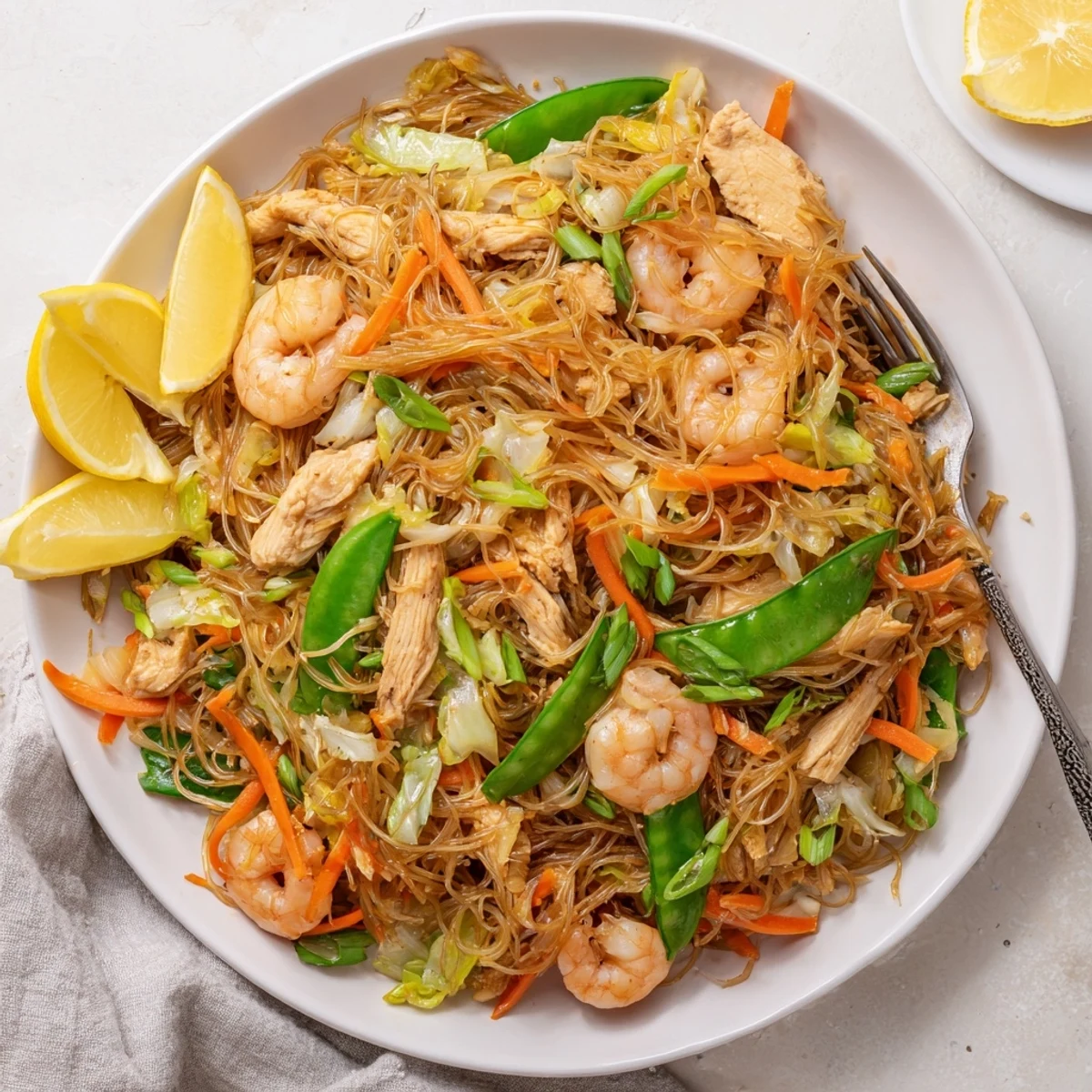
Save Experience the authentic flavors of Filipino cuisine with this classic Pancit Bihon, featuring tender rice vermicelli noodles wok-tossed with succulent chicken, plump shrimp, and colorful vegetables. The dish gets its signature taste from a well-balanced sauce combining soy, oyster sauce, and fish sauce, creating that perfect umami-rich Filipino comfort food. Ready in under an hour, this beloved dish is traditionally served at celebrations and family gatherings, symbolizing long life and prosperity.
The smell of soy sauce hitting a hot wok still takes me back to my auntie's tiny kitchen in Manila, where she'd cook pancit for Sunday family gatherings and we'd all hover around, waiting for our turn at the platter. I've made this dish countless times since then, adjusting and tweaking until it tasted like home, even on a rainy Tuesday evening when comfort food is the only thing that matters.
Last Christmas, I made a massive batch for my extended family, and my uncle who never compliments anything actually went back for thirds. That's when I knew this recipe was a keeper. The kids even asked for seconds, which is basically the highest honor you can achieve as a home cook.
Ingredients
- 200 g boneless, skinless chicken breast, thinly sliced: Cutting the chicken against the grain keeps it tender and helps it cook quickly in the wok
- 100 g medium shrimp, peeled and deveined: Fresh shrimp adds that sweetness that balances the salty soy sauce perfectly
- 200 g dried bihon (rice vermicelli) noodles: These thin rice noodles are the heart of the dish, soaking up all that flavorful sauce
- 1 small carrot, julienned: The carrots add a subtle sweetness and that perfect crunch in every bite
- 1 cup green cabbage, shredded: Cabbage becomes sweet and tender when stir-fried, balancing the savory elements
- 1/2 cup snow peas, trimmed and halved: Snow peas keep their crisp texture, adding freshness to the soft noodles
- 1 small onion, sliced: The foundation of flavor that caramelizes beautifully in the hot oil
- 3 cloves garlic, minced: More is always better with garlic in Filipino cooking
- 2 tbsp soy sauce: The backbone of the dish's savory umami flavor
- 1 tbsp oyster sauce: Adds depth and a slight sweetness that rounds out the sauce
- 1 tsp fish sauce: Don't skip this, it's what gives authentic pancit its distinct flavor
- 1/2 tsp ground black pepper: Freshly cracked makes all the difference here
- 1 cup chicken broth: Creates that perfect sauce consistency for coating the noodles
- 2 tbsp chopped scallions: Fresh oniony brightness on top completes the dish
- 1 lemon or calamansi, cut into wedges: The acid cuts through the richness and brings everything together
Instructions
- Prepare the noodles:
- Soak the bihon noodles in warm water for about 10 minutes until they're pliable and soft. Drain them well and set them aside, but don't let them sit too long or they'll become mushy.
- Build your flavor base:
- Heat oil in a large wok over medium-high heat until it shimmers slightly. Toss in the garlic and onion, stirring constantly until they're fragrant and the onion turns translucent.
- Cook the proteins:
- Add the sliced chicken first, letting it sear until lightly browned and cooked through. Toss in the shrimp and stir-fry just until they turn pink, about 2 minutes, then remove everything from the pan and set aside.
- Stir-fry the vegetables:
- In the same hot pan, add the carrots, cabbage, and snow peas. Stir-fry for 2 to 3 minutes until the vegetables are just tender but still have some crunch to them.
- Create the sauce:
- Return the cooked chicken and shrimp to the pan. Pour in the soy sauce, oyster sauce, fish sauce, and chicken broth, letting everything come to a gentle simmer.
- Combine everything:
- Add the drained noodles to the pan, using tongs to gently toss and coat them evenly with the sauce. Cook for 3 to 4 minutes until the noodles are heated through and have absorbed most of the liquid.
- Season to perfection:
- Taste the dish and season with black pepper, adjusting the salt or sauces as needed. Remember, the noodles will continue absorbing flavor as they sit.
- Finish and serve:
- Transfer the pancit to a serving platter and scatter the chopped scallions over the top. Serve immediately with lemon or calamansi wedges on the side so everyone can squeeze their own.
 Save
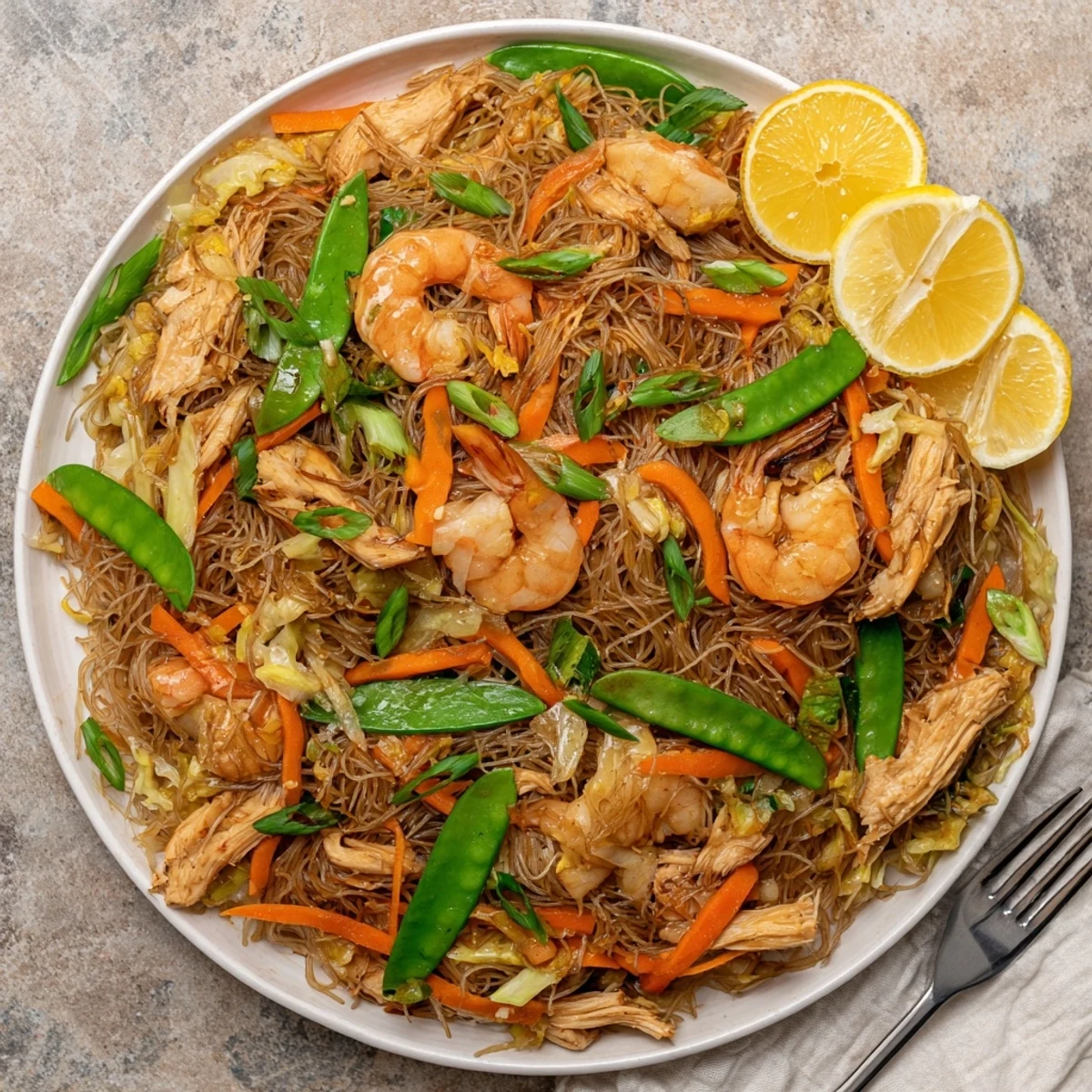
Save My husband proposed to me the day after I made this for his birthday dinner. I'm pretty sure the pancit had something to do with it, though I'll never tell him that.
Making It Your Own
I've learned that pancit is incredibly forgiving, which is why it's become my go-to for cleaning out the refrigerator. Sometimes I throw in bell peppers for color, or swap the chicken for pork belly when I'm feeling indulgent. The key is keeping the ratio of noodles to sauce balanced, no matter what proteins or vegetables you use.
Perfecting the Texture
The secret to restaurant-quality pancit is the noodle texture. They should be tender but still have a slight bounce when you bite into them, never mushy or clumped together. I've found that draining the soaked noodles really well and adding them to the sauce at the right moment makes all the difference between good and great pancit.
Serving and Enjoying
In Filipino households, pancit is always served at celebrations because the long noodles symbolize long life. I love setting everything out family-style and letting everyone help themselves, squeezing calamansi over their portions and mixing everything right on their plates.
- Leftovers reheat beautifully with a splash of water to loosen the noodles
- Pair with ice-cold San Miguel beer for the full Filipino experience
- Make extra, because this always disappears faster than you expect
 Save
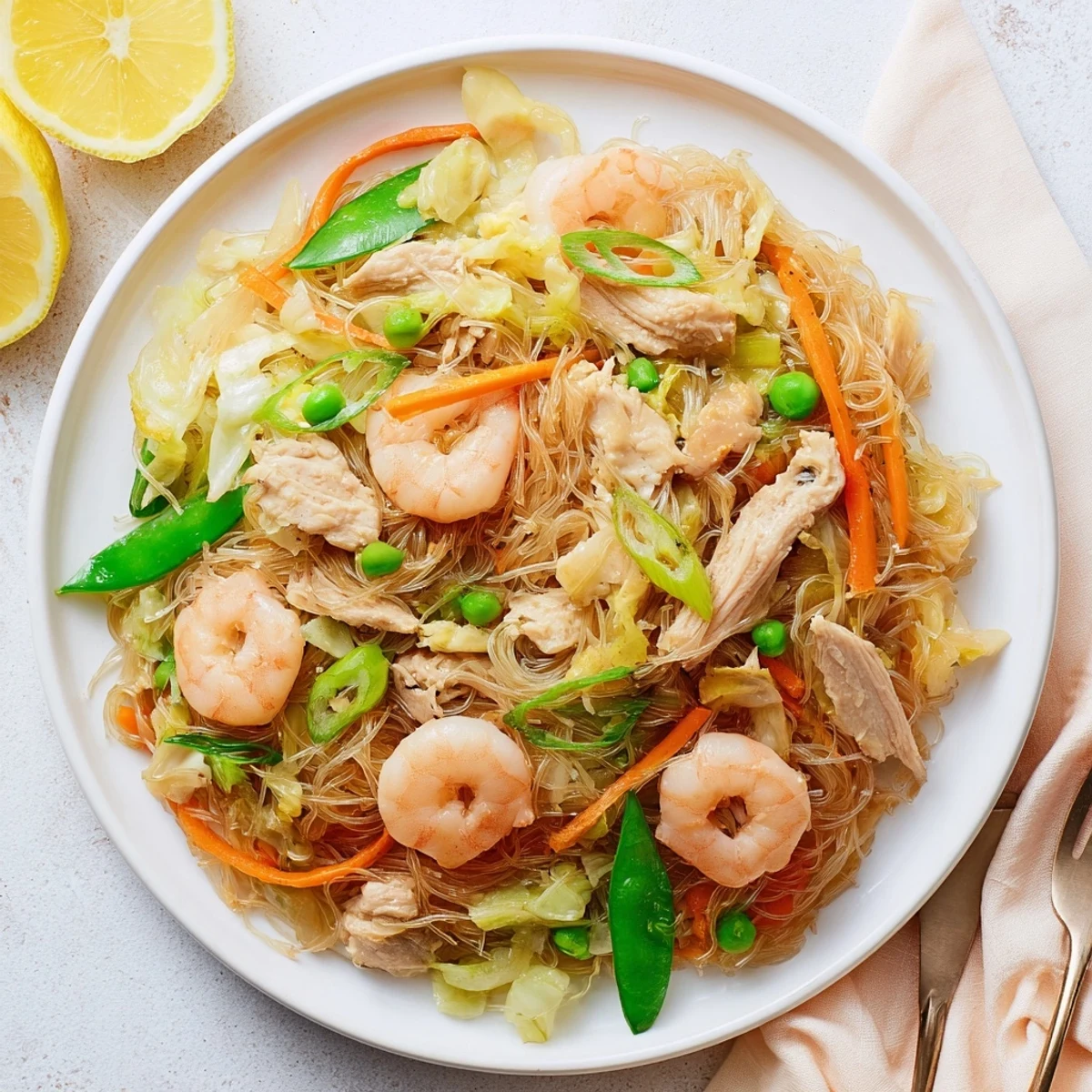
Save There's something magical about a dish that brings people together the way pancit does, gathering everyone around the table with tongs in hand and laughter filling the room.
Recipe FAQs
- → What makes Pancit Bihon different from other noodle dishes?
-
Pancit Bihon uses thin rice vermicelli noodles that absorb the savory sauce beautifully, creating a dish where every strand is packed with flavor from the soy-based seasoning, aromatic garlic and onions, and the natural sweetness of vegetables.
- → Can I prepare Pancit Bihon ahead of time?
-
Yes, you can cook the components ahead and store them separately. Reheat everything together in a wok, adding a splash of water or broth to refresh the noodles. The flavors often develop even better overnight.
- → What proteins work best in this dish?
-
Traditional combinations include chicken and shrimp as specified, but you can also use pork, beef, or make it vegetarian with tofu. The key is to cook proteins separately before combining with noodles to maintain texture.
- → How do I prevent the noodles from becoming mushy?
-
Soak noodles only until softened, about 10 minutes, then drain well. Add them last during cooking and toss gently just until heated through and sauce is absorbed. Avoid overcooking to maintain the perfect texture.
- → What vegetables can I add or substitute?
-
Beyond carrots, cabbage, and snow peas, try adding bell peppers, snap peas, bok choy, or celery. The key is to use vegetables that stay crisp-tender when stir-fried quickly over high heat.
- → Is Pancit Bihon gluten-free?
-
Rice vermicelli noodles are naturally gluten-free, but soy sauce and oyster sauce typically contain gluten. Use gluten-free tamari and check oyster sauce labels to make the entire dish gluten-free.