
 Save
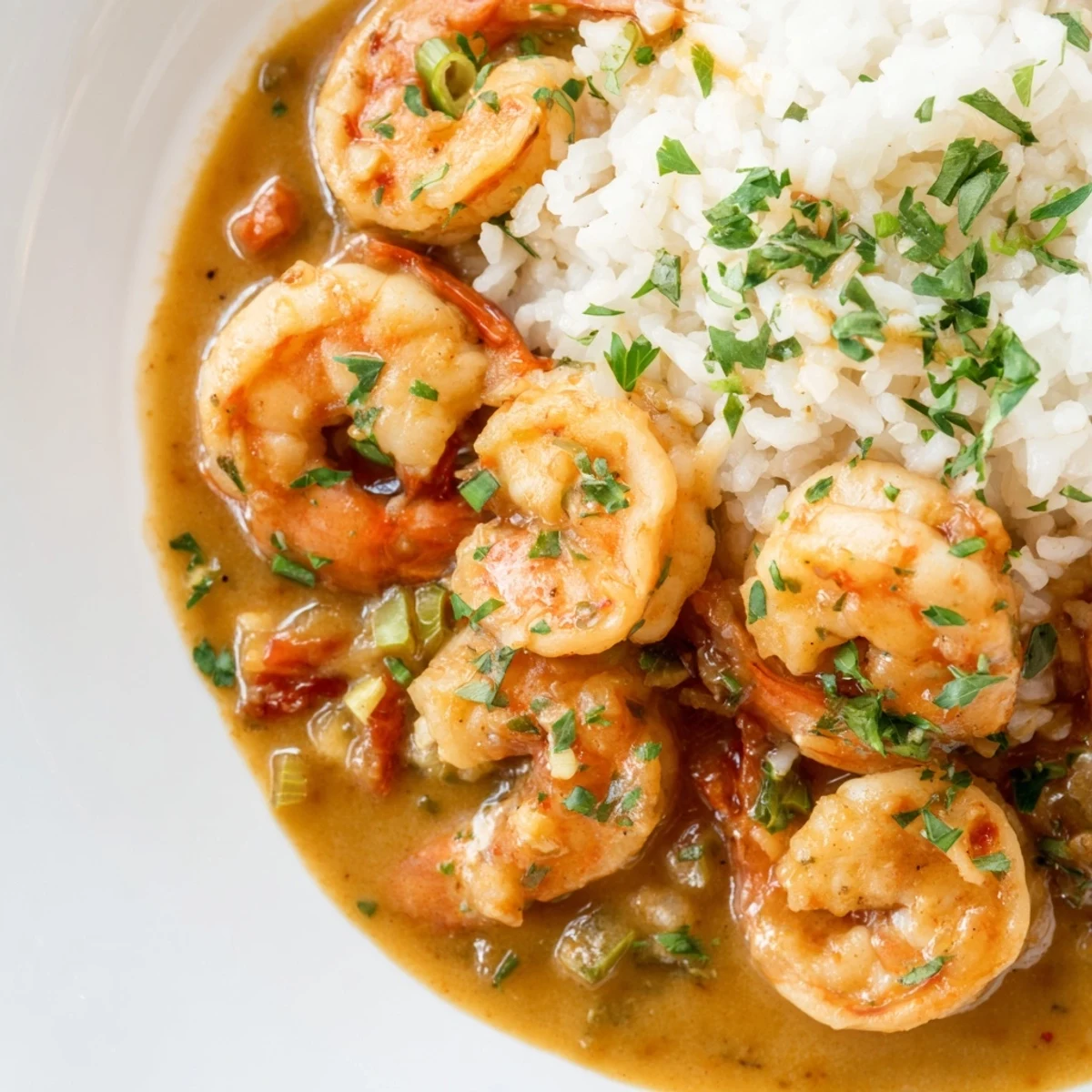
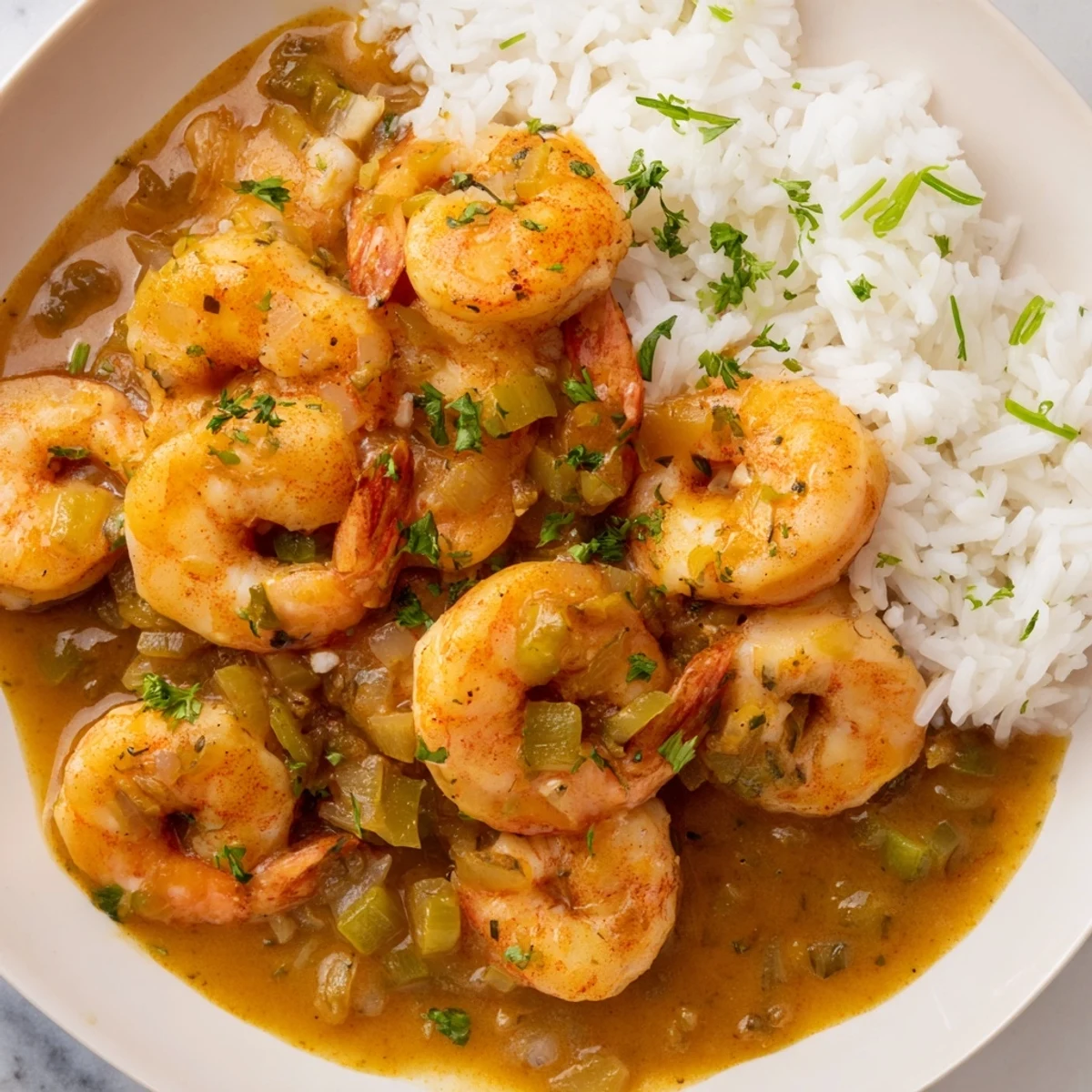
Save This beloved Louisiana Creole specialty features plump, tender shrimp nestled in a luxurious, dark roux-thickened sauce. The dish gets its signature depth from a carefully cooked butter and flour base, complemented by the classic holy trinity of onion, celery, and bell pepper. Aromatic garlic, Creole seasoning, thyme, and smoked paprika build layers of flavor, while a touch of cayenne provides gentle warmth. Finished simply over steamed white rice and garnished with fresh green onions and parsley, this étouffée brings the authentic taste of New Orleans to your table with just 20 minutes of prep time.
The first time I attempted shrimp étouffée, I stood over that roux for twenty minutes, convinced I'd ruined it because it wasn't dark enough. My neighbor Ms. Ruby happened to be visiting and leaned over my shoulder, laughing as she told me about her own roux disasters back in Lafayette. That comfort of shared kitchen failures is what Creole cooking is really about.
I made this for a small dinner party last winter, and my friend Sarah who claims to hate spicy food kept asking for seconds. Watching people lean over their bowls, absolutely silent between bites, is the kind of dinner table moment every cook lives for.
Ingredients
- 1 1/2 pounds large shrimp: Fresh Gulf shrimp are ideal, but whatever looks best at your counter will work perfectly
- 2 teaspoons Creole seasoning: This is your flavor foundation, so dont be shy with it
- 1/2 cup finely chopped onion: The holy trinity starts here, and getting the dice small helps everything melt together
- 1/2 cup finely chopped celery: Adds this subtle aromatic backbone that you'll miss if it's missing
- 1/2 cup finely chopped green bell pepper: Completes the classic Creole vegetable base
- 2 cloves garlic: Minced fresh, never powdered, because it blooms differently in the roux
- 6 tablespoons unsalted butter: The fat that carries all your flavor, so use good butter
- 1/4 cup all-purpose flour: Your thickening agent that becomes that gorgeous copper color
- 2 cups seafood or chicken stock: Homemade stock makes a difference, but store-bought works fine
- 1 (14.5-ounce) can diced tomatoes: Drained well so they don't water down your sauce
- 2 bay leaves: The secret aromatic that simmers quietly in the background
- 1/2 teaspoon dried thyme: Earthy and essential to the Creole flavor profile
- 1/2 teaspoon smoked paprika: Adds this gorgeous smoky undertone
- 1/4 teaspoon cayenne pepper: Optional, but I love that background heat it provides
- Salt and freshly ground black pepper: Taste at the end and adjust, because the roux concentration changes everything
- 4 cups cooked white rice: The canvas that holds all that glorious sauce
- 2 tablespoons chopped green onions: Fresh brightness right at the end
- 2 tablespoons chopped fresh parsley: More color and a pop of herbal freshness
- Lemon wedges: The acid that cuts through all that rich roux
Instructions
- Season your shrimp first:
- Toss the shrimp with 1 teaspoon of Creole seasoning and let them hang out while you prep everything else
- Start your roux:
- Melt the butter in a heavy-bottomed skillet over medium heat, then gradually whisk in the flour, stirring constantly until it turns a deep golden brown, about 8 to 10 minutes
- Add the holy trinity:
- Throw in your onion, celery, and bell pepper, cooking and stirring until the vegetables are soft and fragrant, about 5 minutes
- Bloom the garlic:
- Stir in the garlic and let it cook for just 1 minute so it releases its aroma without burning
- Build the flavor base:
- Add the tomatoes, bay leaves, thyme, paprika, remaining Creole seasoning, and cayenne if you're using it, mixing everything together well
- Add your liquid:
- Slowly pour in the stock while stirring constantly to prevent any lumps, then bring it to a simmer and cook uncovered for 10 to 15 minutes until thickened
- Cook the shrimp:
- Add the seasoned shrimp and cook just until they turn pink and are cooked through, 3 to 4 minutes, then season with salt and pepper to taste
- Finish and serve:
- Remove from heat, discard the bay leaves, and serve over rice with green onions, parsley, and lemon wedges on the side
 Save
Save This recipe became my go-to for Sunday family dinners after my brother requested it for his birthday three years running. Something about it makes people slow down and really enjoy their food.
Making The Perfect Roux
I've learned that the roux is where most people give up, but it's also where the magic happens. That flour and butter transformation creates hundreds of flavor compounds, and taking it to that deep copper color is what gives étouffée its characteristic nutty, complex taste.
Seasoning Adjustments
Creole seasoning blends vary wildly between brands, so start with less and taste as you go. I keep adding in small pinches until the sauce sings, because you can always add more but you can't take it back.
Serving Suggestions
This dish deserves to be the star of the show, so keep sides simple and let the étouffée shine. Some crusty French bread for sopping up that sauce is never a mistake.
- Warm your bowls before serving to keep everything hot longer
- Pass extra hot sauce at the table for the brave souls
- Make more rice than you think you'll need because everyone wants seconds
 Save
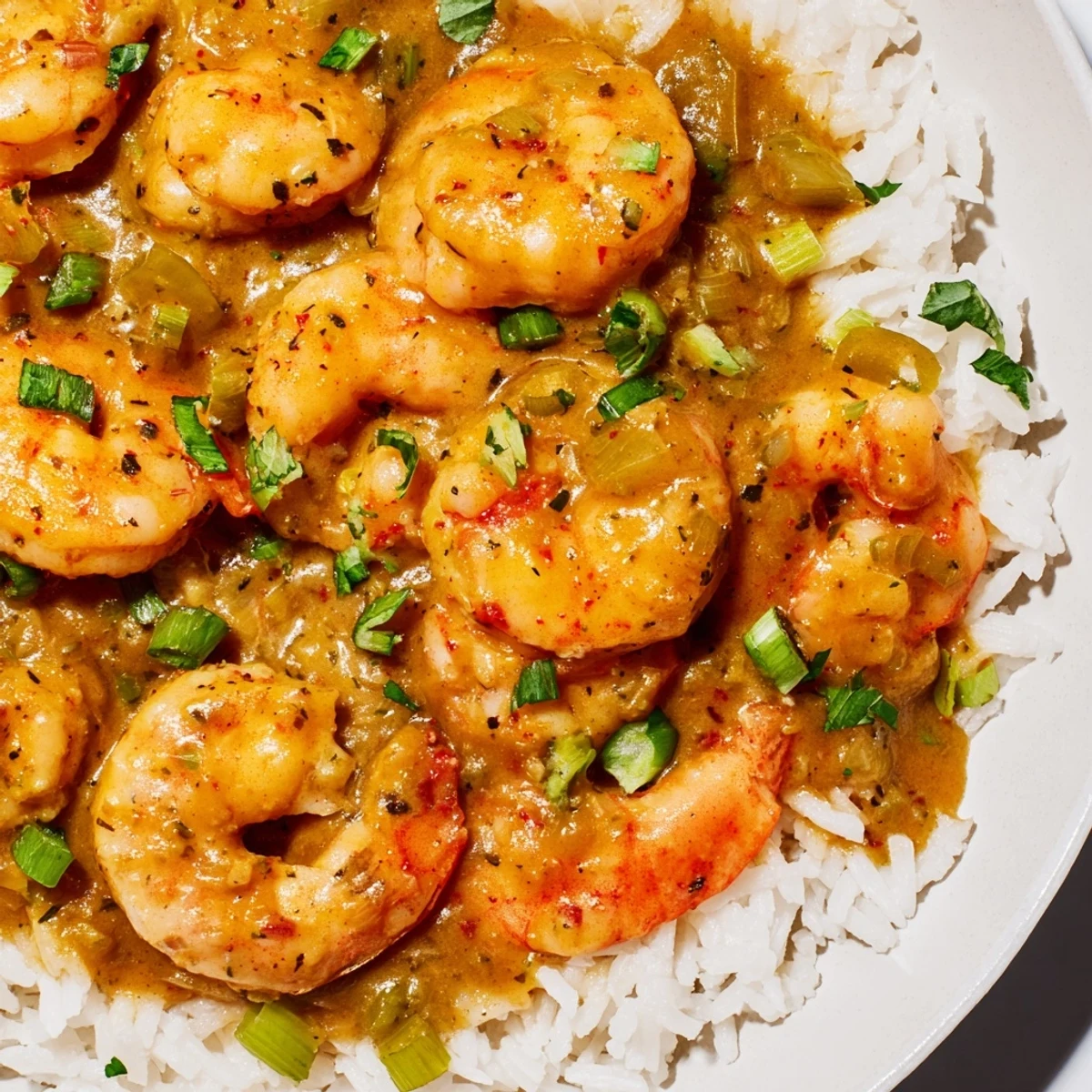
Save Theres something deeply satisfying about serving a dish that feels like it came from a restaurant kitchen but was born in your own home. Enjoy every bite.
Recipe FAQs
- → What makes an authentic étouffée?
-
True étouffée begins with a dark roux cooked to a deep golden brown, which provides the foundation of flavor. The dish must include the holy trinity of onions, celery, and bell peppers, along with generous Creole seasoning. Finally, it should be thick enough to coat a spoon but not as heavy as a gumbo.
- → Can I make this dish ahead of time?
-
The sauce base actually improves when made a day ahead, allowing flavors to meld. Prepare through step 6, cool completely, and refrigerate. Reheat gently, add fresh shrimp just before serving, and finish over rice.
- → How do I achieve the perfect roux?
-
Patience is essential. Cook the flour and butter over medium heat, whisking constantly. The roux will progress from pale yellow to peanut butter-colored to deep golden brown. This process takes 8-10 minutes and creates the foundation of the dish's flavor.
- → What's the difference between étouffée and gumbo?
-
Étouffée is thicker with more roux, focuses on one main ingredient (here, shrimp), and typically includes tomatoes. Gumbo has a thinner consistency, often uses okra or filé powder as thickeners, and contains multiple proteins and vegetables in the same pot.
- → Can I substitute the shrimp?
-
Crawfish tails are the most traditional alternative and work beautifully. Diced chicken thighs also pair well with the flavorful sauce. For a vegetarian version, use hearty mushrooms like oyster or portobello, though you'll want to increase the vegetables and seasonings.
- → How spicy is this dish?
-
The heat level is moderate with the cayenne pepper as optional. Creole seasoning provides a gentle warmth rather than overwhelming spice. Adjust the cayenne to your preference, or serve with hot sauce on the side for diners to customize their heat level.