
 Save
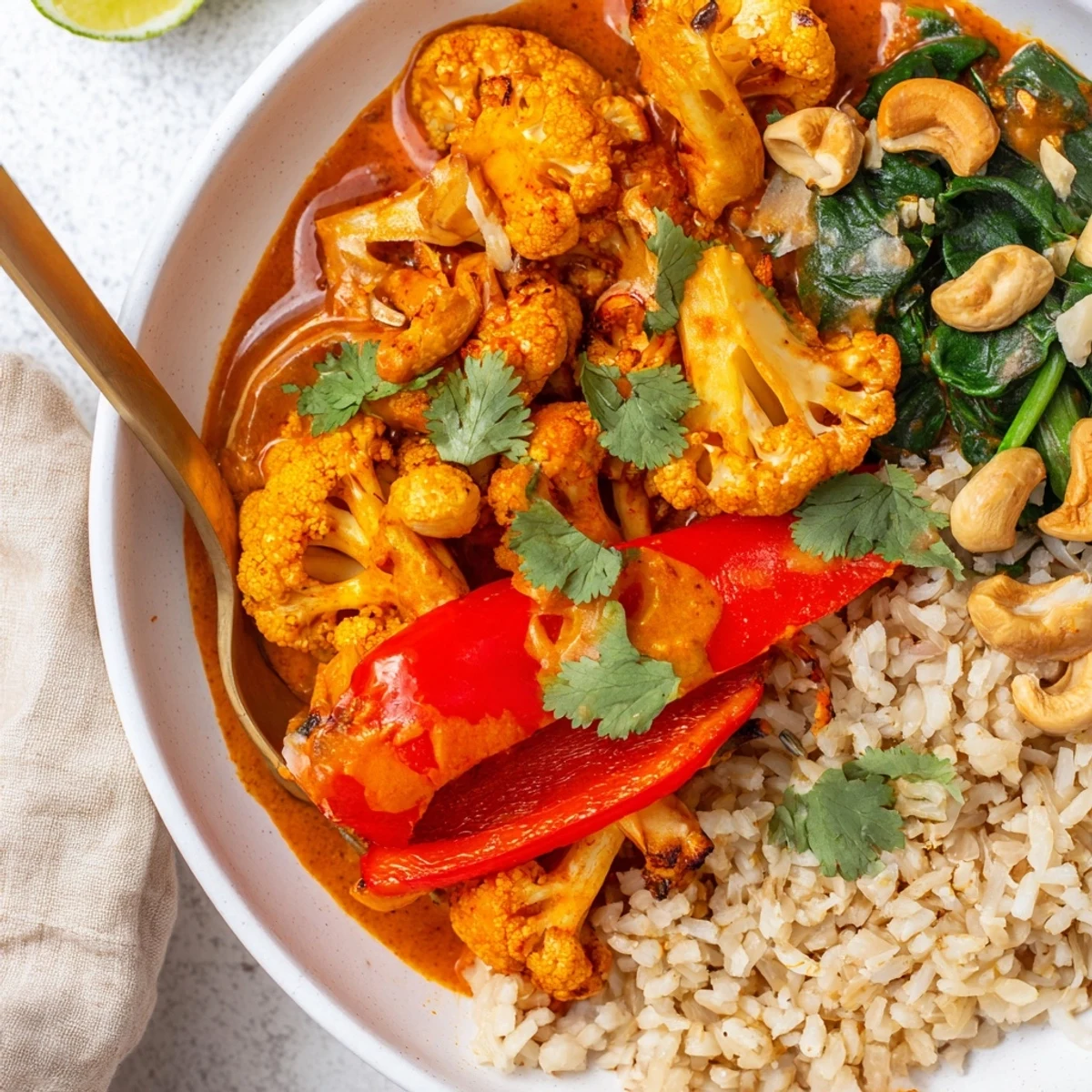
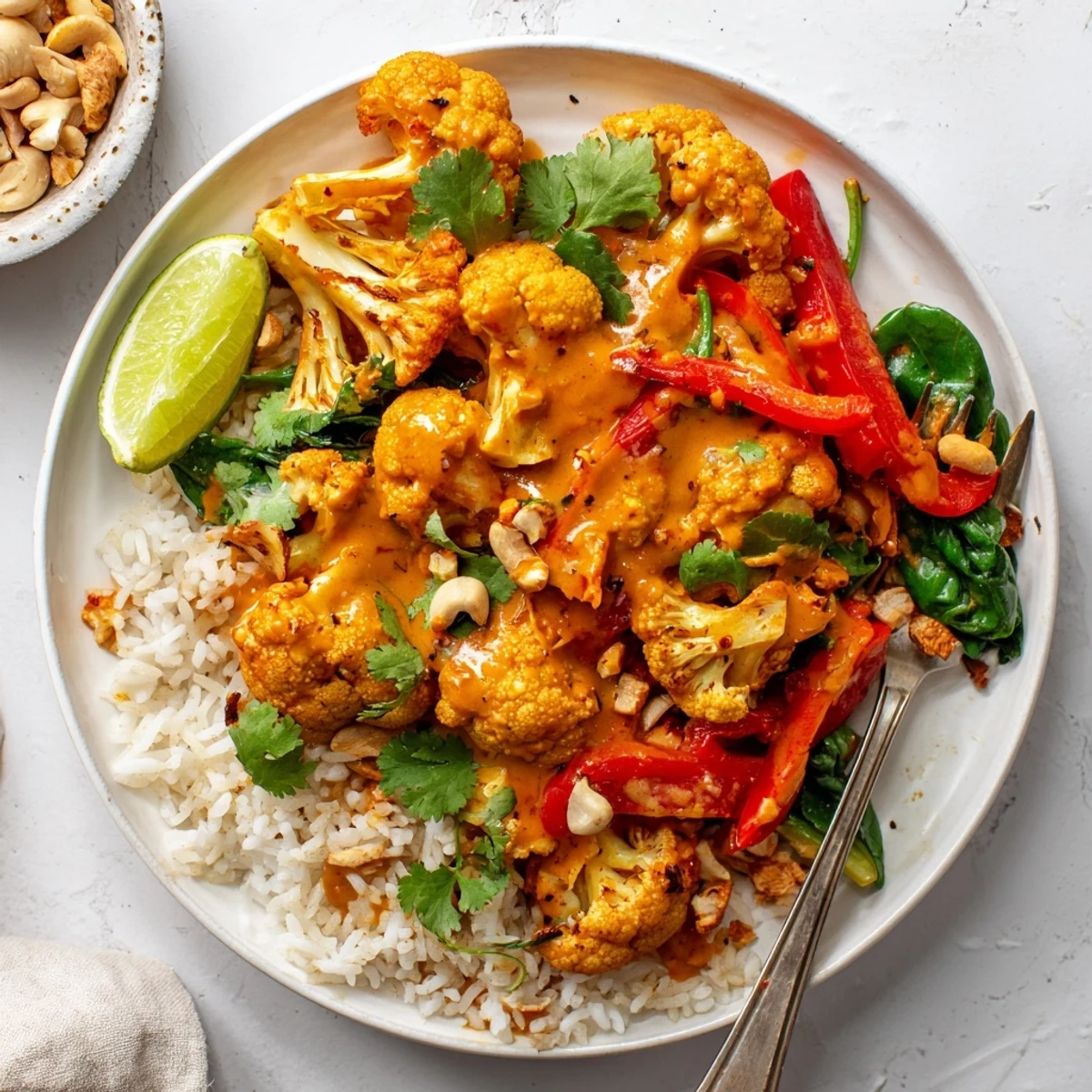
Save Roast cauliflower florets and red bell pepper until caramelized while cooking jasmine or basmati rice until fluffy. Sauté onion, garlic and grated ginger, stir in red curry paste and coconut milk, then simmer briefly to thicken. Combine the roasted vegetables and optional spinach, finish with lime juice and cilantro, and serve over rice. Top with toasted cashews or peanuts for texture. Prep about 20 minutes; cook around 40 minutes; serves four.
Steam rolling off a skillet of spicy red curry brings me straight back to that drizzly Thursday when I decided to transform a mundane head of cauliflower into something mesmerizing. I can still hear my neighbor shout from the hall asking what on earth smelled so good while the curry gently bubbled away. There was a certain joyful mess—curry paste on my apron, lime juice spritzed across the counter, and that heady tang of ginger mingling with coconut milk. Somehow, chaos in the kitchen always seems to yield the most memorable dinners, and this one has lived on in my weeknight rotation ever since.
I first made this curry for a quick Tuesday dinner when a friend popped by unannounced, and we ended up eating straight from the skillet while music played in the background. That spontaneous meal cemented it as my go-to when I need something hearty without any fuss or fanfare.
Ingredients
- Cauliflower: Roasting it until golden gives the dish its hearty, nutty core, so don’t rush this step or skimp on the olive oil.
- Red bell pepper: Its sweetness pops against the heat of the curry and brings vibrant color to the plate.
- Onion, garlic, ginger: This trinity builds a complex base for your curry, so keep an eye out for fragrant onions and zingy fresh ginger at the market.
- Jasmine or basmati rice: Choose either; rinsing keeps the grains separate and fluffy, a little kitchen detail that makes all the difference.
- Red curry paste: Pick your favorite brand, and always check for vegetarian labels if you need — it’s the heart of the sauce.
- Coconut milk: Full-fat brings a rich creaminess; give the can a good shake before opening.
- Soy sauce or tamari: Adds a salty, layered depth — tamari keeps it gluten-free and just as flavorful.
- Turmeric: Just a teaspoon, but it paints everything a warm gold and coaxes out earthy undertones.
- Lime juice: Squeezed in at the end, it brightens the curry and keeps things lively.
- Fresh cilantro and toasted cashews or peanuts: These garnishes lift the whole bowl; I like to pile them high and let everyone dig in.
- Baby spinach (optional): Toss it in right before serving for a green twist that wilts perfectly into the curry’s heat.
Instructions
- Roast the vegetables:
- Heat your oven to high and tumble the cauliflower and red bell peppers with turmeric, salt, and olive oil, letting them sizzle until their edges turn crisp and golden, their fragrance filling the house.
- Steam the rice:
- While the oven works its magic, rinse your rice until the water runs clear, then simmer it gently; when the little craters appear, turn off the heat, fluff, and cover.
- Start the curry base:
- In your biggest skillet, olive oil shimmers before you scatter in onion, garlic, and ginger—the sizzle and aroma are the cue to keep going.
- Simmer the sauce:
- Spoon in red curry paste and let it bloom before stirring in coconut milk and soy sauce — soon, a creamy swirl and a hint of red will dance in your pan.
- Combine and finish:
- Slide in the roasted cauliflower and peppers, toss in spinach if you’re feeling leafy, and finish with a quick squeeze of lime as everything melds together in glorious color.
- Serve and garnish:
- Spoon the curry over fluffy rice and scatter cilantro, toasted nuts, and a wedge of lime; every bowl looks playful and ready for sharing.
 Save
Save The night I served this to my family, laughter rolled through the kitchen, and I noticed everyone reaching for seconds before their first helping was even polished off. It’s that rare sort of meal that manages to taste like a little celebration, even on a plain old weekday.
Rice That Steals the Show
Fluffy, separate rice elevates this curry from good to unforgettable. Rinse the rice really well until the water is clear — a habit I picked up after one too many gummy batches. If you have leftover plain rice in the fridge, this recipe welcomes it with open arms.
Choosing Curry Paste and Coconut Milk
The difference between an average and an irresistible curry often comes down to the paste and coconut milk you choose. Some curry pastes run spicier or more herbal, so taste yours and adjust as you go. I always reach for my favorite full-fat coconut milk, but light versions work if you like things less rich.
Garnishes That Change Everything
I’ve learned that a thoughtful garnish — crunchy nuts, torn cilantro, a fresh squeeze of lime — can turn this into a restaurant-worthy experience at home. Even a little chopped fresh chili can give a fun jolt if you’re feeling adventurous.
- If using peanuts or cashews, toast them briefly first for extra flavor.
- Let each diner add their own lime wedge for custom zing.
- Don’t forget to check your curry paste ingredients for allergens if you’re cooking for guests.
 Save
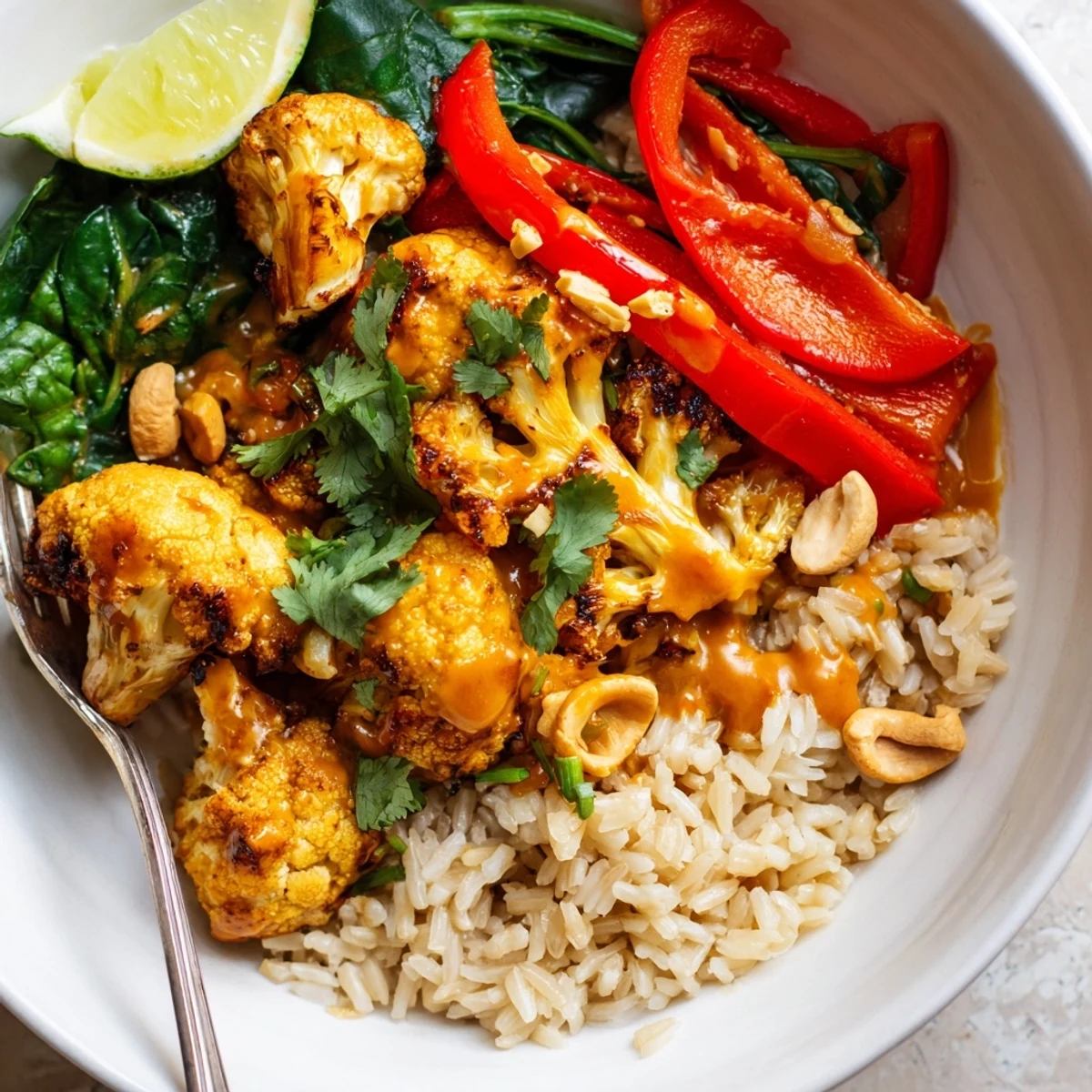
Save No matter how you serve it—family style, solo with your favorite book, or heaped into bowls for friends—this curry feels like an instant mood-lifter. Here’s to more color, joy, and flavor at your table.
Recipe FAQs
- → Can I swap the rice for something else?
-
Yes — basmati or jasmine give a fragrant, fluffy bed, while brown rice adds chew and extra fiber. For lower carbs, try cauliflower rice and shorten the cooking time.
- → How do I adjust the spice level?
-
Control heat by using less red curry paste or choosing a mild paste. Add chili flakes or extra paste to increase heat. Lime juice and coconut milk help balance spiciness.
- → What are good vegetable or protein additions?
-
Stir in peas, carrots, or green beans for variety. For extra protein, add chickpeas, grilled tofu, or cubed tempeh — toss them into the sauce to absorb flavor.
- → How long can leftovers be stored?
-
Cool quickly and refrigerate in an airtight container for 3–4 days. Reheat gently on the stove with a splash of water or coconut milk to restore sauce consistency.
- → Any tips for roasting the cauliflower?
-
Toss florets with oil, turmeric and a pinch of salt, spread in a single layer, and roast at a high temperature (220°C/425°F) until browned and tender, turning once for even caramelization.
- → How can I make this nut-free or allergy-friendly?
-
Omit toasted cashews or peanuts and substitute toasted seeds (pumpkin or sunflower) for crunch. Use tamari instead of soy sauce if avoiding wheat, and check curry paste labels for allergens.