
 Save
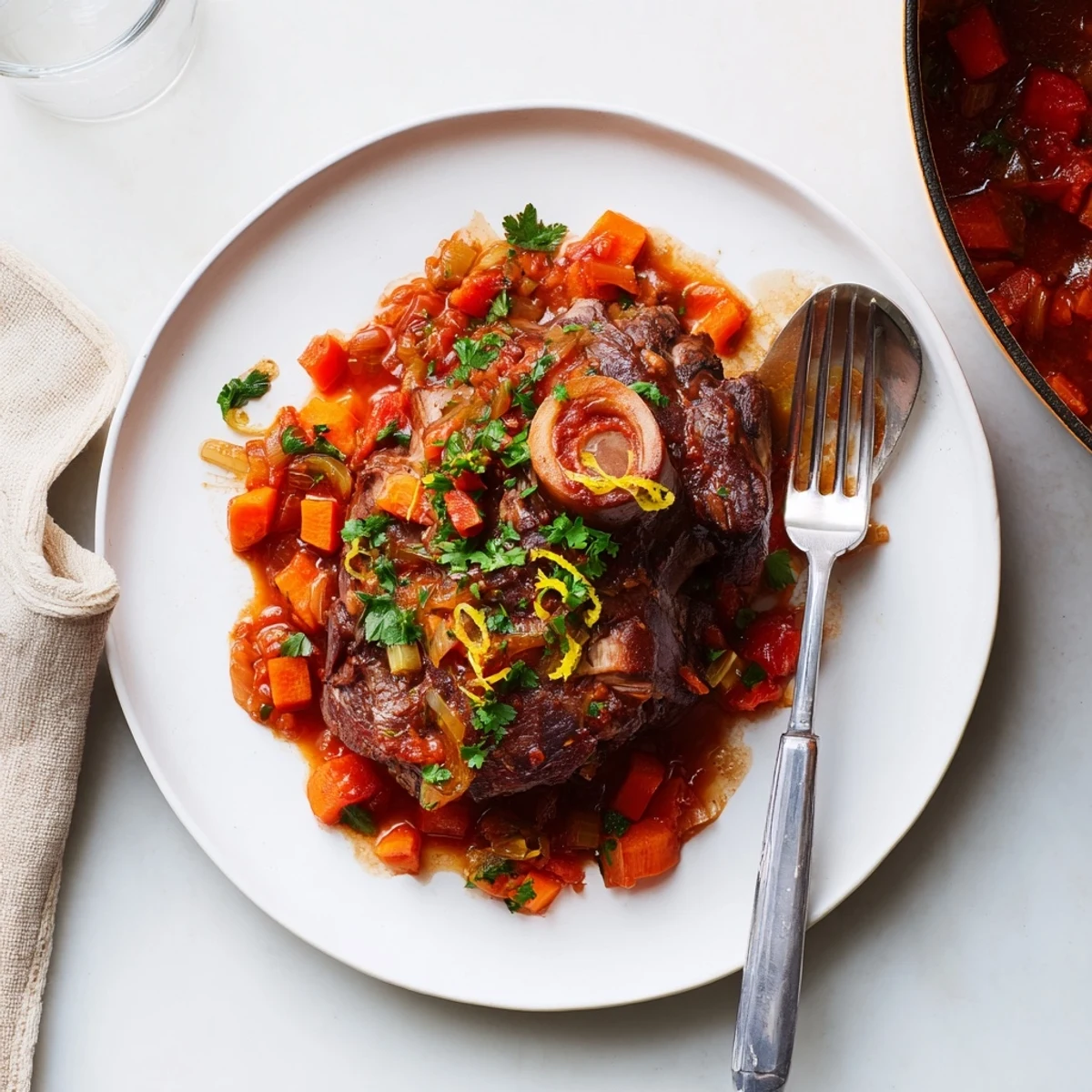
Save This classic Italian preparation transforms veal shanks through slow braising in a fragrant mixture of white wine, crushed San Marzano tomatoes, and mirepoix vegetables. After two and a half hours in the oven, the meat becomes meltingly tender while developing deep, concentrated flavors from the braising liquid. The dish achieves perfect balance between the richness of the veal, acidity from the wine, and sweetness from the tomatoes. A traditional gremolata garnish of parsley, garlic, and lemon zest adds bright freshness that cuts through the luxurious sauce.
The first time I made osso buco, it was a snowed-in Sunday and I had six veal shanks staring me down from the counter. Three hours later, my kitchen smelled like an Italian grandmother's embrace, and I understood why this dish deserves the time it takes.
I served this to my book club once, and somehow we spent the entire evening discussing how a simple braise could taste so luxurious. That night taught me that some dishes are worth every minute they ask for.
Ingredients
- 6 veal shanks, about 2 inches thick: The marrow inside these bones is what gives the sauce its incredible body and richness
- 1/2 cup all-purpose flour: Creates that gorgeous golden crust that seals in all the juices during searing
- 1 tsp kosher salt and 1/2 tsp black pepper: Simple seasoning that lets the veal shine
- 2 tbsp olive oil: High heat tolerance for perfect browning
- 2 tbsp unsalted butter: Adds unmatched richness to the braising liquid
- 1 large yellow onion, diced: The foundation of flavor in any good braise
- 2 carrots and 2 celery stalks, diced: Classic mirepoix that builds deep, savory notes
- 4 garlic cloves, minced: Because garlic makes everything better
- 1 cup dry white wine: Use something you would actually drink, it matters here
- 1 28-oz can whole San Marzano tomatoes: Hand-crushing them yourself makes the sauce feel more honest somehow
- 2 cups chicken stock: The liquid that becomes magic after hours in the oven
- 2 tsp fresh thyme leaves: Earthy and perfect with slow-cooked meat
- 2 bay leaves: Remove them before serving but do not skip them
- Zest of 1 lemon: Brightens all those rich flavors just enough
- 2 tbsp chopped fresh parsley: Fresh green color at the end makes everything look complete
- Optional gremolata: Parsley, garlic, and lemon zest sprinkled on top takes this over the top
Instructions
- Get your oven ready:
- Preheat to 325°F and position your rack in the center so the Dutch oven sits comfortably in the heat.
- Prep the veal:
- Pat those shanks completely dry with paper towels, then mix your flour with salt and pepper in a shallow dish for dredging.
- Give them a coat:
- Lightly dredge each shank in the flour mixture, shaking off any excess because we want a thin crust, not a batter.
- Sear to perfection:
- Heat your olive oil and butter in a large Dutch oven over medium-high heat, then brown the veal on all sides for about 3 to 4 minutes per side until golden and beautiful.
- Build your base:
- Remove the veal and add your onion, carrots, and celery to the pot, sautéing until softened and fragrant, about 8 minutes.
- Add the garlic:
- Stir in the minced garlic and let it cook for just 1 minute until you can smell it, because burned garlic ruins everything.
- Deglaze the pot:
- Pour in that cup of white wine, scraping up every browned bit from the bottom with your wooden spoon, and let it simmer for 2 to 3 minutes.
- Build the braising liquid:
- Add those hand-crushed tomatoes with their juices, chicken stock, thyme, bay leaves, and lemon zest, stirring to combine everything into a gorgeous sauce.
- Nestle everything together:
- Return the veal shanks to the pot, tucking them into the sauce like they are getting into bed, then bring everything to a gentle simmer.
- The long wait:
- Cover the pot and transfer to the oven, braising for 2 to 2.5 hours until the meat is fork-tender and nearly falling off the bone.
- The finishing touches:
- Remove the bay leaves, skim any excess fat from the surface, and if you are feeling fancy, sprinkle with gremolata and fresh parsley before serving.
 Save
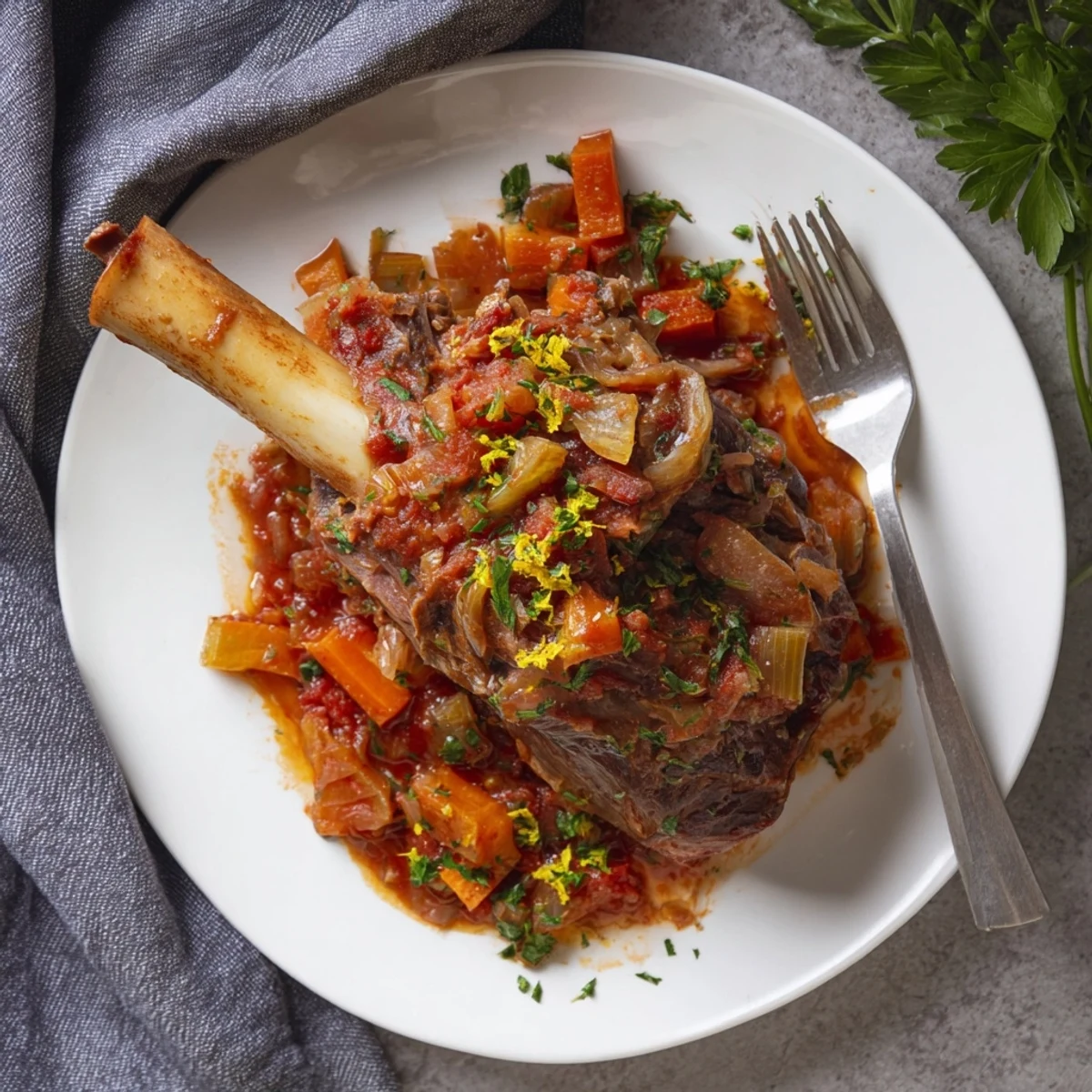
Save My father-in-law took one bite of this and announced it was the best thing he had ever eaten in his life. Sometimes food is just love on a plate.
Choosing The Right Wine
I have learned through trial and error that cheap wine makes cheap-tasting sauce. You do not need to break the bank, but grab something decent because those flavors concentrate during the long cook.
Making It Ahead
This dish actually tastes better the next day, which is terrible for self-control but wonderful for dinner parties. Make it up to two days ahead and gently reheat on the stovetop.
Serving Suggestions
The braising liquid becomes its own kind of gravy, so serve this over something that will soak it all up properly.
- Risotto alla Milanese is the traditional choice for a reason
- Creamy polenta creates the most luxurious bed for the tender meat
- Mashed potatoes work perfectly if you want something familiar
 Save
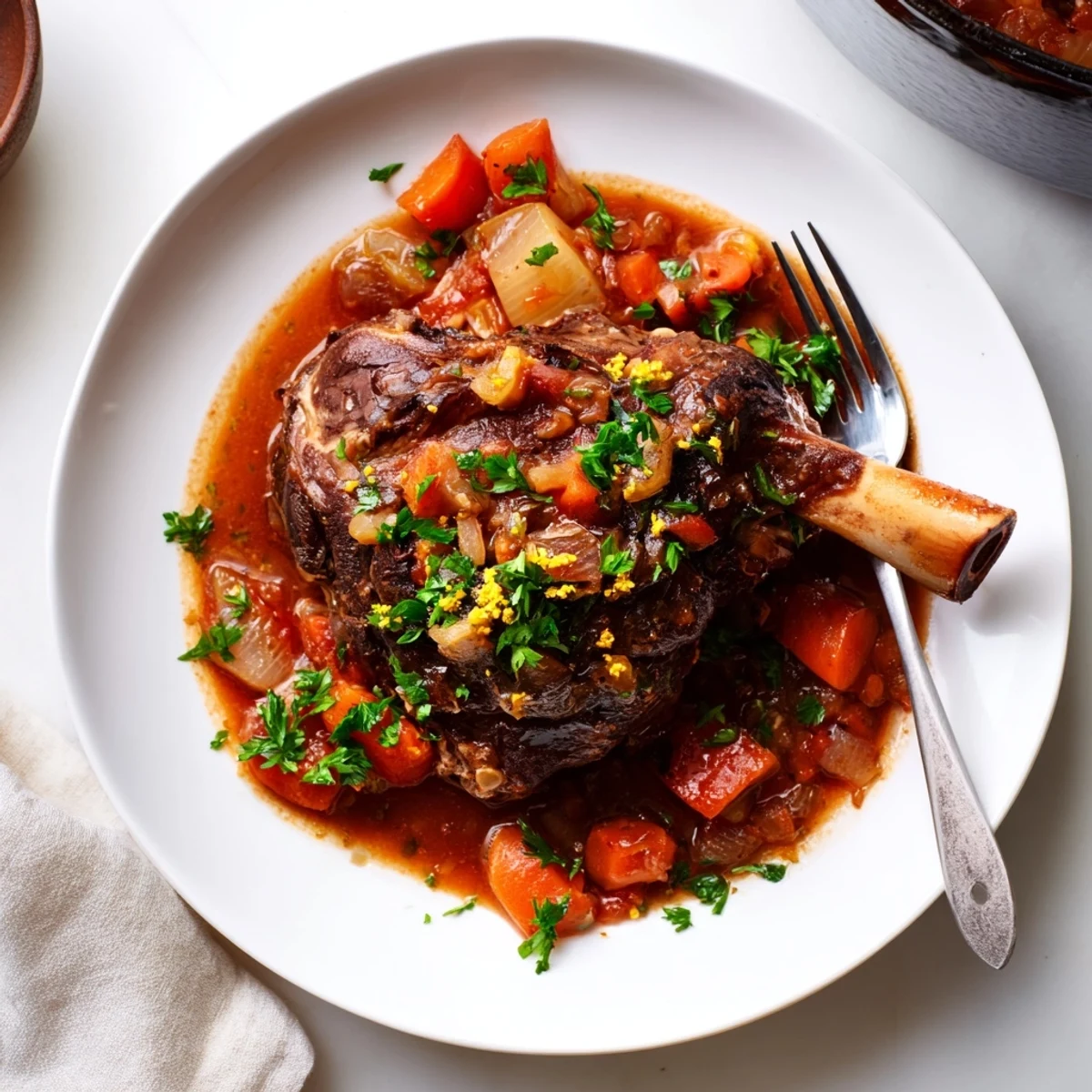
Save There is something profoundly satisfying about a dish that asks so little of you once it is in the oven, yet gives back so much in return.
Recipe FAQs
- → What cut of meat works best for this dish?
-
Veal shanks about 2 inches thick are traditional, providing the perfect ratio of meat to bone and collagen. The connective tissue breaks down during braising, creating that signature gelatinous texture and rich mouthfeel.
- → Can I substitute beef for veal?
-
Yes, beef shanks make an excellent substitute. They'll yield a slightly heartier flavor and may need an additional 30 minutes of braising time to reach the same fork-tender consistency.
- → What should I serve with osso buco?
-
Risotto alla Milanese is the classic pairing, but creamy polenta, mashed potatoes, or crusty bread work beautifully to soak up the flavorful sauce. The dish is substantial enough to stand alone with simply roasted vegetables.
- → How do I know when it's done cooking?
-
The meat is ready when it pulls away easily from the bone and offers no resistance to a fork. You should be able to insert a fork into the thickest part and twist without any resistance.
- → Can I make this ahead of time?
-
This dish actually improves after resting in the refrigerator for 1-2 days. The flavors deepen and the fat separates easily for removal. Reheat gently on the stovetop, adding a splash of stock if needed.
- → What is gremolata and why use it?
-
Gremolata is a fresh Italian condiment of chopped parsley, minced garlic, and lemon zest. Its bright, citrusy notes cut through the rich braised meat, adding essential brightness and balancing the dish's deep flavors.