
 Save
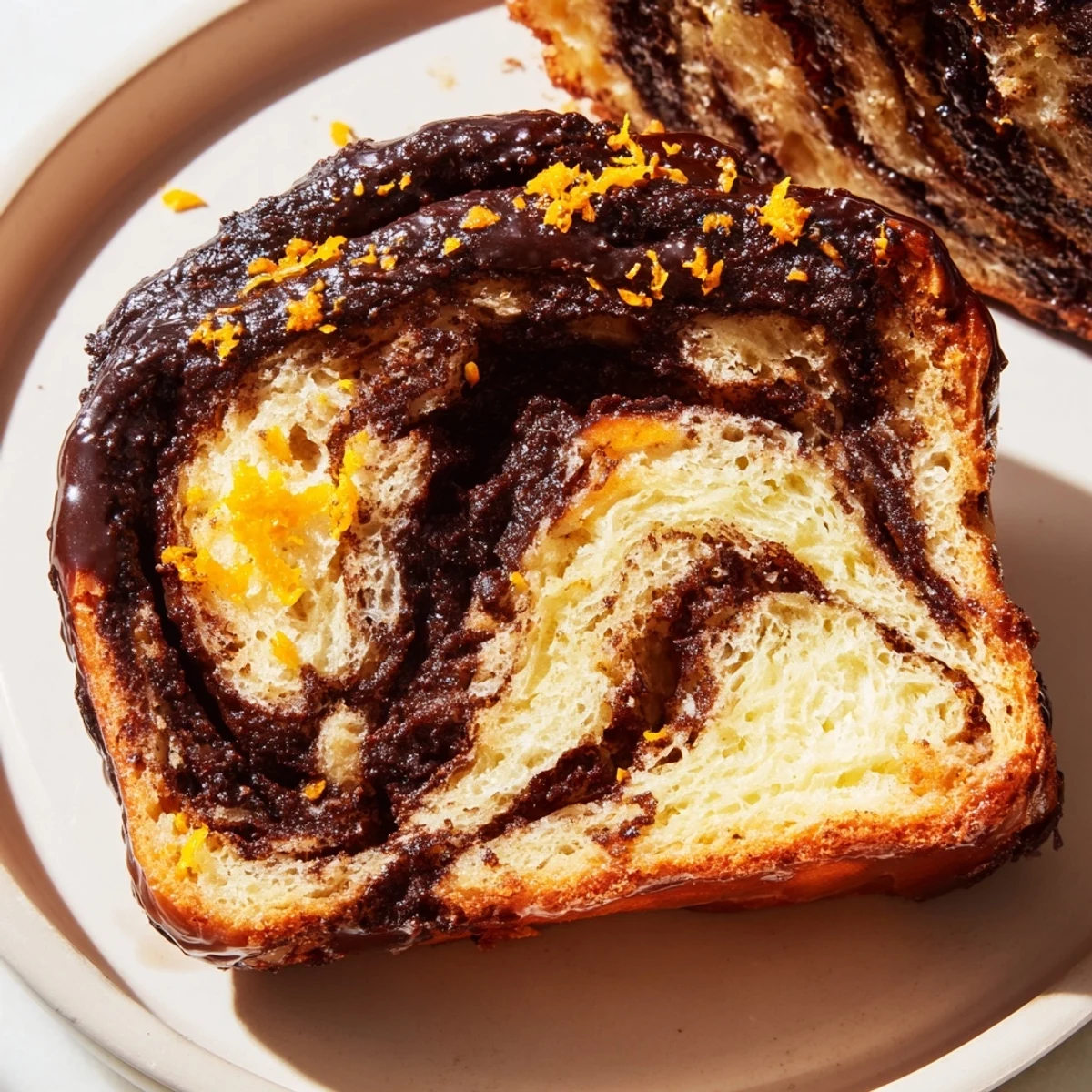
Save This tender brioche-style bread combines a soft, buttery dough with a decadent chocolate filling infused with orange zest. After rising twice, the twisted loaf emerges from the oven golden and fragrant, then receives a generous drizzle of sweet orange glaze. Each slice reveals beautiful chocolate swirls throughout the light, airy crumb.
The process takes about three hours from start to finish, including rising time, but most of that is hands-off while the dough works its magic. Perfect for serving alongside coffee or tea, this Eastern European classic delivers an elegant balance of deep chocolate flavor and bright citrus notes.
The smell of brioche dough hitting butter in a warm kitchen is something you never forget, and adding melted dark chocolate to that equation is practically a spiritual event. My first encounter with babka happened at a tiny bakery in Brooklyn where the loaves sold out by noon and the owner handed samples through the window like precious gifts. That citrus chocolate combination haunted me for weeks until I finally decided to recreate it at home with a generous hit of fresh orange zest and a glossy glaze that makes the whole loaf shimmer. This recipe is the result of many Sunday afteroons covered in flour and completely content.
I brought this babka to a friends potluck dinner last winter and watched three adults revert to silent, blissful chewing while the conversation completely stopped. One friend leaned over and whispered that it was the best thing anyone had ever brought to her apartment, which made the flour covered kitchen disaster from that morning entirely worth it.
Ingredients
- All purpose flour (3 1/2 cups or 440g): You want standard all purpose here, not bread flour, because the tenderness of babka depends on a softer dough that still holds together when twisted.
- Granulated sugar (1/4 cup or 50g): This is a enriched dough, not a cake, so the sugar stays modest and lets the filling and glaze carry the sweetness.
- Instant dry yeast (2 1/4 tsp or 1 packet): Instant yeast saves you a proofing step and blends right into the dry ingredients without any fuss.
- Whole milk, lukewarm (3/4 cup or 180ml): Whole milk gives the dough richness that water never could, and lukewarm means it should feel like a warm bath on your wrist, not hot.
- Large eggs, room temperature (2): Cold eggs slow down the yeast and make the dough seize up, so pull them out an hour ahead or soak them in warm water for ten minutes.
- Vanilla extract (1 tsp): A small amount that quietly supports every other flavor without demanding attention.
- Salt (1/2 tsp): Do not skip this or the dough will taste flat and lifeless no matter how good the filling is.
- Unsalted butter, softened (1/2 cup or 115g): Added gradually during kneading, this butter is what transforms plain dough into something silky and rich like brioche.
- Dark chocolate, chopped (6 oz or 170g): Use something you would eat on its own because the filling quality depends entirely on the chocolate you choose.
- Unsalted butter for filling (1/3 cup or 75g): Combined with the chocolate it creates a spreadable, fudgy layer that sets into beautiful swirls.
- Powdered sugar for filling (1/3 cup or 40g): Balances the bitterness of dark chocolate without making the filling grainy.
- Unsweetened cocoa powder (1/4 cup or 25g): Intensifies the chocolate flavor and gives the filling that deep, dark color you see in bakery babkas.
- Orange zest (zest of 1 orange): This goes into the filling and it is the secret that makes this babka unforgettable.
- Powdered sugar for glaze (3/4 cup or 90g): The base of the glaze that melts into a sweet, citrusy shell over the warm loaf.
- Fresh orange juice (2 to 3 tbsp): Squeezed from the same orange you zested, because wasting a good orange is a crime in any kitchen.
- Orange zest for glaze (1/2 tsp): A final fragrant touch that makes the glaze sparkle with tiny flecks of orange.
Instructions
- Build the dough:
- Combine the flour, sugar, and yeast in your mixer bowl, then pour in the lukewarm milk, eggs, vanilla, and salt. Mix until everything comes together into a shaggy, slightly sticky mass that clings to the hook in uneven clumps.
- Knead in the butter:
- With the mixer running on low, add the softened butter one tablespoon at a time, waiting until each piece is mostly absorbed before adding the next. Knead for 8 to 10 minutes until the dough turns smooth, elastic, and pulls away from the bowl sides cleanly.
- Let it rise:
- Transfer the dough to a greased bowl, cover it with a damp towel or plastic wrap, and leave it in a warm spot until it has doubled in size, which usually takes about 1.5 hours depending on your kitchen temperature.
- Make the chocolate filling:
- Melt the chopped chocolate and butter together over simmering water or in short microwave bursts, stirring until glossy and smooth. Whisk in the powdered sugar, cocoa powder, and orange zest, then let it cool slightly so it thickens into a spreadable paste.
- Roll and fill:
- Punch down the risen dough and roll it out on a floured surface into a 16 by 12 inch rectangle. Spread the chocolate filling evenly across the surface, leaving a half inch border bare so nothing oozes out during rolling.
- Twist the babka:
- Roll the dough tightly from the long side into a log, then slice it straight down the middle lengthwise with a sharp knife. Twist the two halves around each other with the cut sides facing up, then gently lift the whole twisted rope into your greased loaf pan.
- Second rise:
- Cover the pan loosely and let the shaped babka rise for 45 to 60 minutes until it looks puffy and has risen just above the rim of the pan.
- Bake until golden:
- Preheat your oven to 350 degrees Fahrenheit and bake the babka for 40 to 45 minutes until the top is deeply golden and a skewer inserted into the center comes out clean. If the top browns too fast, tent it loosely with foil during the last 15 minutes.
- Glaze while warm:
- Whisk the powdered sugar, orange juice, and orange zest until smooth and pourable. Let the babka cool in the pan for 10 minutes, then turn it out onto a rack and drizzle the glaze generously over the still warm loaf so it seeps into every crack and swirl.
 Save
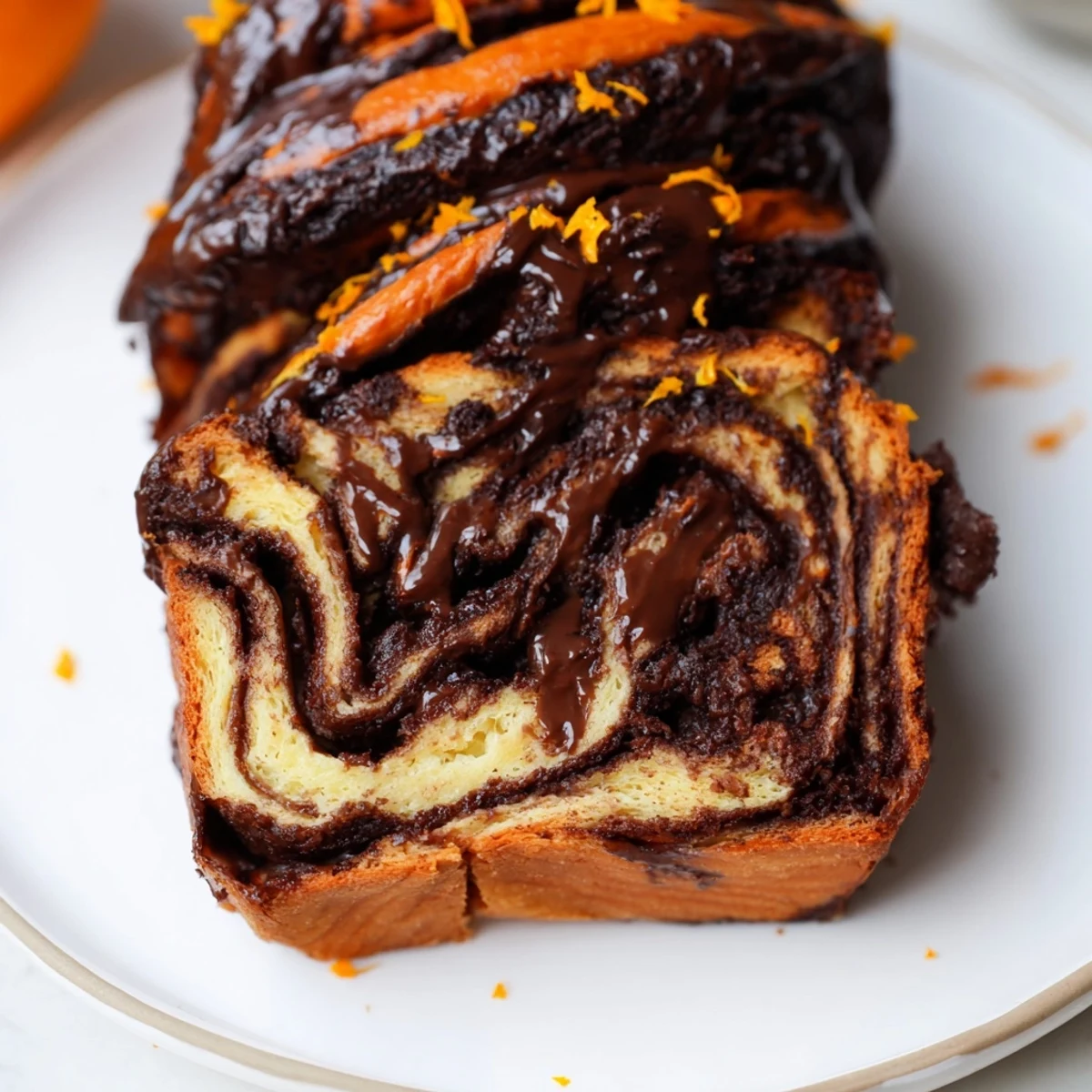
Save There is something about pulling a babka from the oven that makes you feel like you have accomplished a small miracle, even if your twist was lopsided and chocolate leaked onto the pan edges. The orange glaze dripping down those golden swirls turns an already beautiful loaf into something you almost do not want to cut.
Working with Enriched Dough
Enriched dough behaves differently than standard bread dough because the butter, eggs, and milk make it softer and more delicate. It will seem impossibly sticky at first, but resist the urge to dump in extra flour because it firms up beautifully during the kneading process. A warm kitchen helps tremendously, and if yours is drafty, turn your oven on for one minute then shut it off and let the dough rise inside with the door closed.
Choosing the Right Chocolate
The filling is only as good as the chocolate you use, so this is not the moment to reach for the bargain baking bars. A dark chocolate between 60 and 70 percent cacao gives you that deep, intense flavor without tipping into bitterness. I once used a fancy 85 percent bar thinking more cacao meant better flavor, and the filling tasted harsh and flat, so stay in that sweet middle range.
Serving and Storing Your Babka
This babka is best served the day it is made, ideally while still slightly warm so the chocolate filling stays soft and the glaze has a gentle tack. It keeps well wrapped tightly at room temperature for up to three days, and a quick toast revives leftover slices beautifully. For longer storage, wrap individual slices and freeze them for up to a month, then thaw and warm in a low oven until the chocolate melts again.
- Pair a thick slice with strong black coffee or Earl Grey tea for a morning that feels indulgent and intentional.
- Brush the cooled babka with a second coat of glaze for extra shine and a more intense orange perfume.
- If you want to swap milk chocolate for dark, reduce the powdered sugar in the filling by a tablespoon to keep it from becoming cloying.
 Save
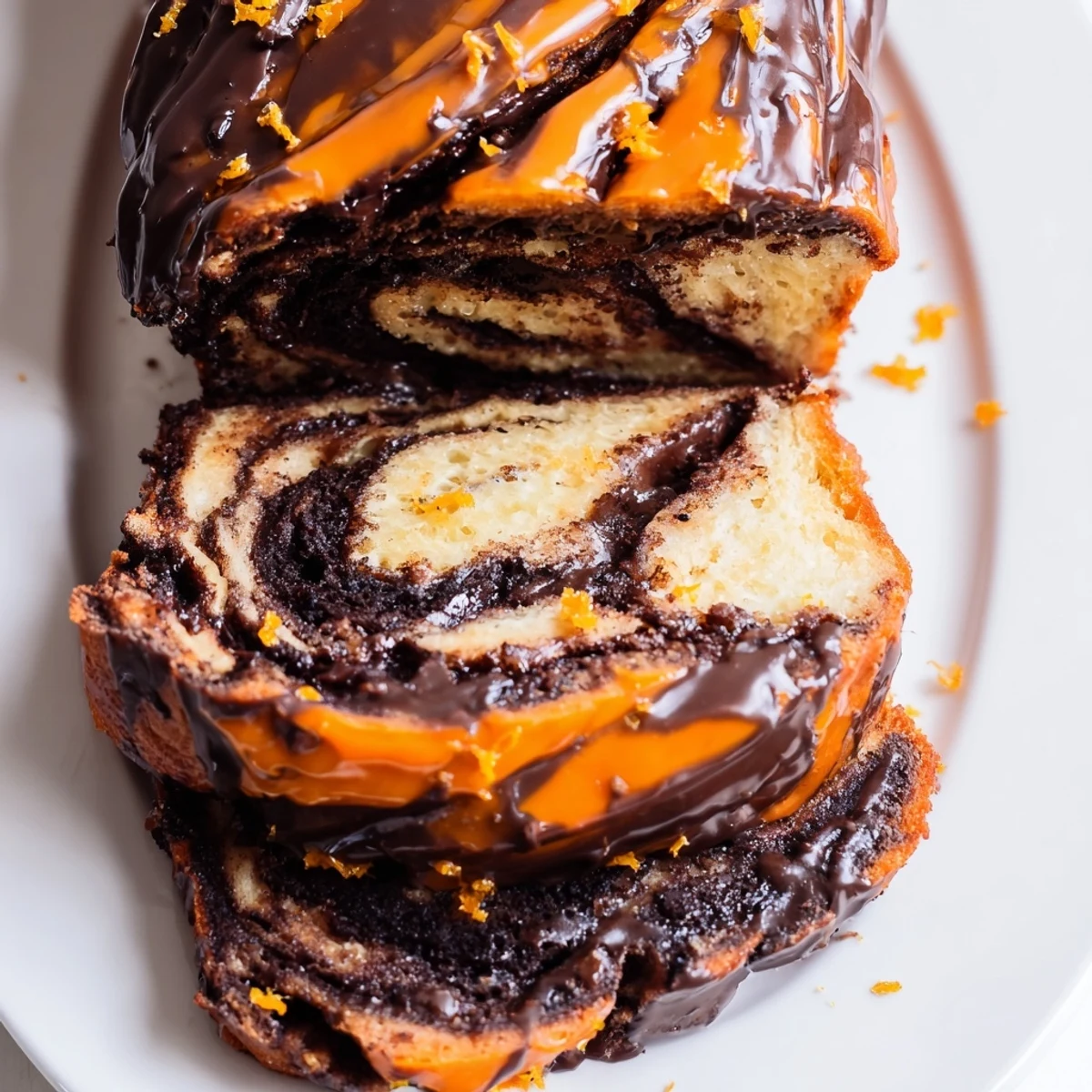
Save Every time I make this babka I think about that Brooklyn bakery window and how a simple combination of chocolate, butter, and orange can turn an ordinary afternoon into something worth savoring. Share it with someone you love, or keep the whole loaf for yourself and call it self care.
Recipe FAQs
- → Can I make the dough ahead of time?
-
Yes, prepare the dough through the first rise, then refrigerate overnight. Bring to room temperature before rolling and filling. The flavors often develop even better with an overnight rest.
- → What if I don't have a stand mixer?
-
Knead by hand on a floured surface for 12-15 minutes until smooth and elastic. The dough should feel tacky but not sticky. Add flour sparingly if needed.
- → How do I know when the babka is fully baked?
-
The top should be deep golden brown, and an instant-read thermometer inserted into the center should read 190-200°F. If the top browns too quickly, tent with foil during the last 10 minutes.
- → Can I freeze baked babka?
-
Absolutely. Wrap cooled slices individually in plastic, then place in a freezer bag for up to 3 months. Thaw at room temperature or warm briefly in the oven before glazing.
- → Why does my chocolate filling seep out during baking?
-
This often happens if the filling is too warm or the dough seams aren't sealed properly. Let the filling cool to room temperature before spreading, and pinch the dough edges firmly closed when rolling.
- → Can I substitute the orange with other citrus?
-
Lemon or lime zest work beautifully in both the filling and glaze. The tartness provides a lovely contrast to the rich chocolate, though orange remains the traditional pairing.