
 Save
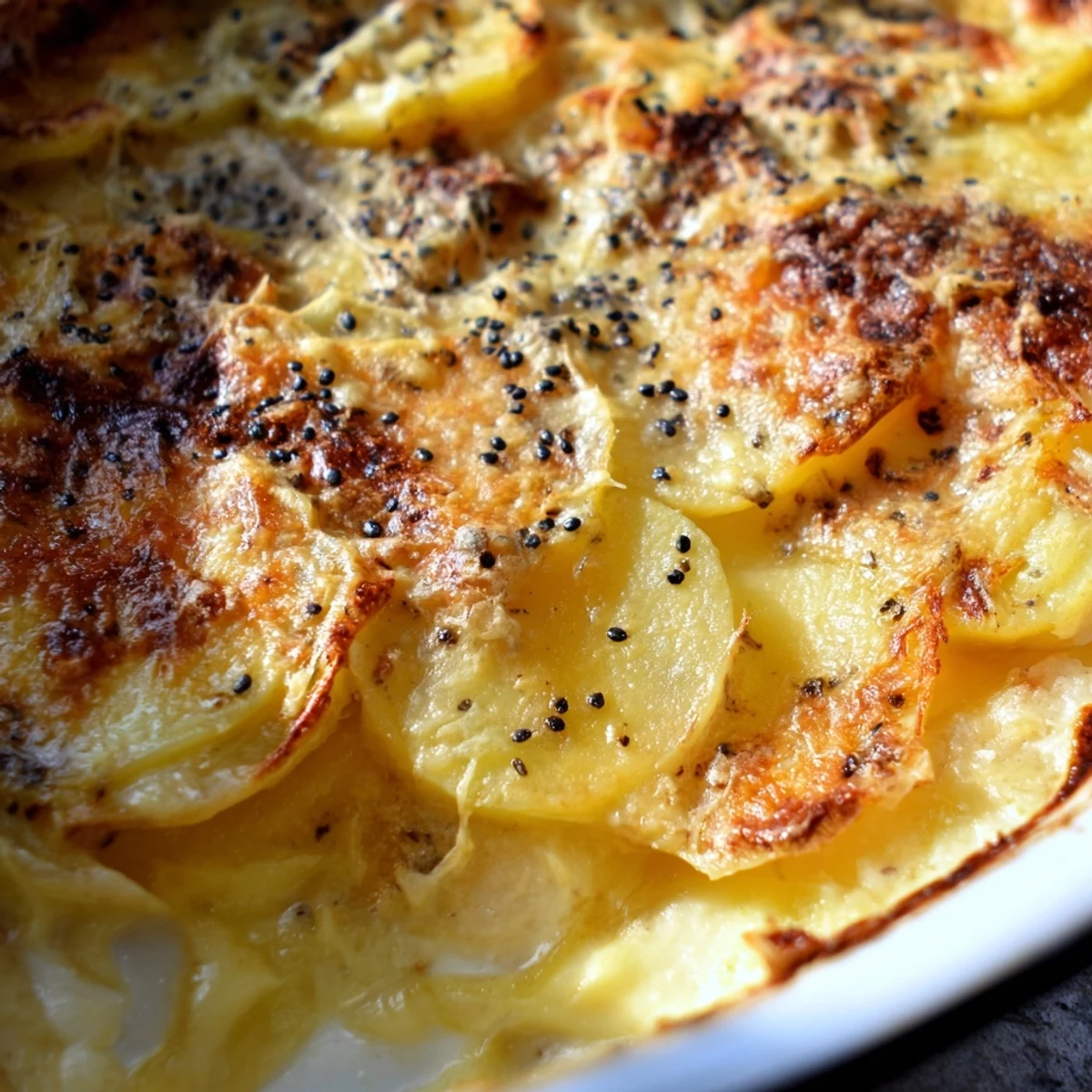
Save This indulgent potato gratin combines the earthy warmth of nigella seeds with the rich creaminess of heavy cream and Gruyère cheese. Thinly sliced starchy potatoes are layered with aromatic onions, garlic, and a hint of nutmeg, then baked until golden and bubbling. The result is a velvety, melt-in-your-mouth side dish that elevates any meal. Perfect alongside roasted meats or as part of an elegant dinner spread, this European-inspired creation balances savory comfort with sophisticated flavors.
The smell of nigella seeds toasting in butter is one of those quiet kitchen revelations that stops you mid step and makes you lean closer to the pan. I stumbled onto this combination during a rainy Tuesday when I had a bag of potatoes, a fading block of Gruyere, and a jar of nigella seeds I had bought on a whim at an Indian grocery store. What came out of the oven that evening was nothing short of a revelation: golden, bubbling, and fragrant in a way that made my small apartment feel like a proper restaurant.
I brought this to a friends dinner party once and watched three people skip the main course entirely to go back for more of the gratin. My friend Elena stood by the oven with her fork, eating straight from the dish while apologizing and not stopping. That is the kind of recipe this is.
Ingredients
- Starchy potatoes (1.2 kg or 2.5 lbs): Maris Piper, Yukon Gold, or Russet work beautifully because they break down just enough to create that velvety texture between layers.
- Heavy cream (350 ml) and whole milk (200 ml): The blend keeps things rich without crossing into cloying territory, and the milk stops the cream from splitting during the long bake.
- Gruyere cheese (100 g): Grate it yourself from a block because pre grated versions coat poorly and melt unevenly due to anti caking agents.
- Nigella seeds (2 tsp): The star of the show, they bring a toasted, slightly peppery warmth that elevates this from standard gratin to something memorable.
- Unsalted butter (30 g): Use it to grease the dish and dot the top because it browns beautifully and adds a subtle nuttiness.
- Garlic (2 cloves, minced): Fresh is non negotiable here, jarred garlic tastes flat against the cream and nigella.
- Ground nutmeg (half tsp): Just a whisper of nutmeg ties the cream and spices together in a way that feels instinctive and warm.
- Onion (1 medium, finely sliced): Adds sweetness and structure between the potato layers without overpowering the nigella.
- Salt (1 tsp) and black pepper (half tsp): Season each layer separately because the cream mutes seasoning if you only salt the top.
Instructions
- Preheat and prepare the dish:
- Set your oven to 190 degrees Celsius (375 degrees Fahrenheit) and generously butter a 9 by 13 inch baking dish, making sure to coat the corners where potatoes love to stick.
- Build the first layer:
- Arrange half the sliced potatoes in overlapping rows across the bottom, then scatter half the onions, garlic, nigella seeds, salt, pepper, and nutmeg over them evenly so every bite is seasoned.
- Complete the layers:
- Repeat with the remaining potatoes and onions, finishing with the rest of the spices and aromatics, pressing down gently so the layers settle into each other.
- Pour the cream mixture:
- Whisk the cream and milk together in a jug and pour it slowly over the potatoes, letting it seep into every gap before dotting the surface with small pieces of butter.
- Bake covered then finish golden:
- Cover tightly with foil and bake for 40 minutes, then remove the foil, sprinkle the Gruyere across the top, and return uncovered for another 20 minutes until the cheese is deeply golden and the edges are bubbling.
- Rest before slicing:
- Let the gratin sit for 10 minutes after removing from the oven because this rest period lets the cream set into a custard that holds clean slices together.
 Save
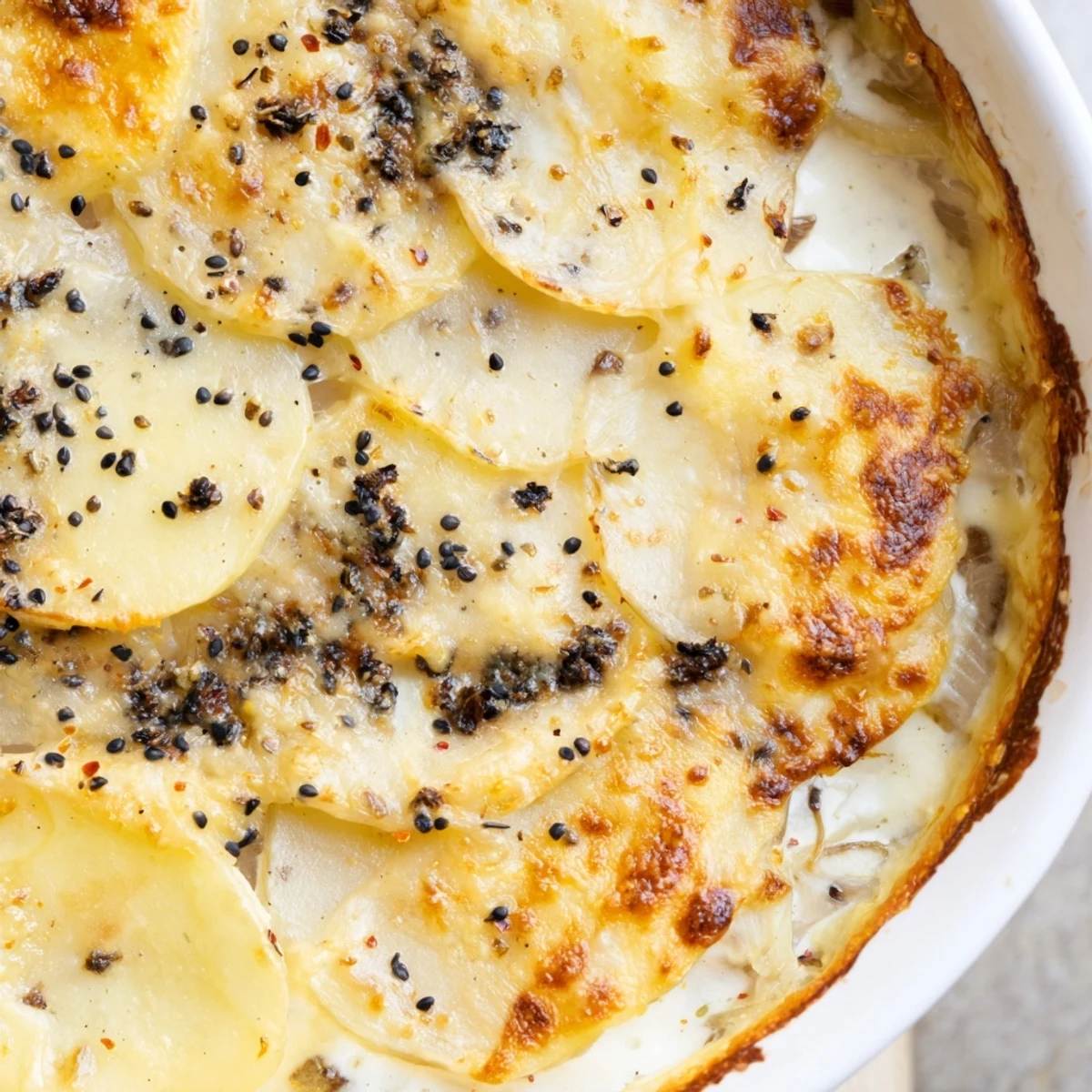
Save There is a specific kind of happiness that comes from pulling a bubbling gratin from the oven while your kitchen fills with the warm scent of cream, cheese, and nigella seeds. It transforms an ordinary evening into something that feels intentionally special.
Choosing the Right Potatoes Makes All the Difference
After testing this with waxy potatoes, I can confirm they produce a gratin that slides apart and never quite comes together. Starchy varieties release their natural starch into the cream, thickening it into something between a sauce and a custard. If you are unsure, ask yourself whether the potato would make a good mash: if yes, it will make a great gratin.
When to Serve This and What to Pair It With
This gratin holds its own as the centerpiece of a vegetarian meal alongside a sharp green salad with vinaigrette, but it also plays beautifully next to roasted chicken, grilled sausages, or a simple herb crusted pork loin. I have even served it cold at a picnic and it was devoured without complaint.
Tools and Last Minute Details
A mandoline slicer saves time and gives you uniform slices that cook evenly, but a sharp knife and patience work just as well. Soak your baking dish immediately after serving because baked cream sets like cement if left to dry.
- Emmental or sharp cheddar can stand in for Gruyere if that is what you have on hand.
- Always check cheese labels for gluten free certification if cooking for someone with sensitivity.
- Remember that the gratin continues cooking in the dish after you remove it from the oven, so pull it when the center is just set.
 Save
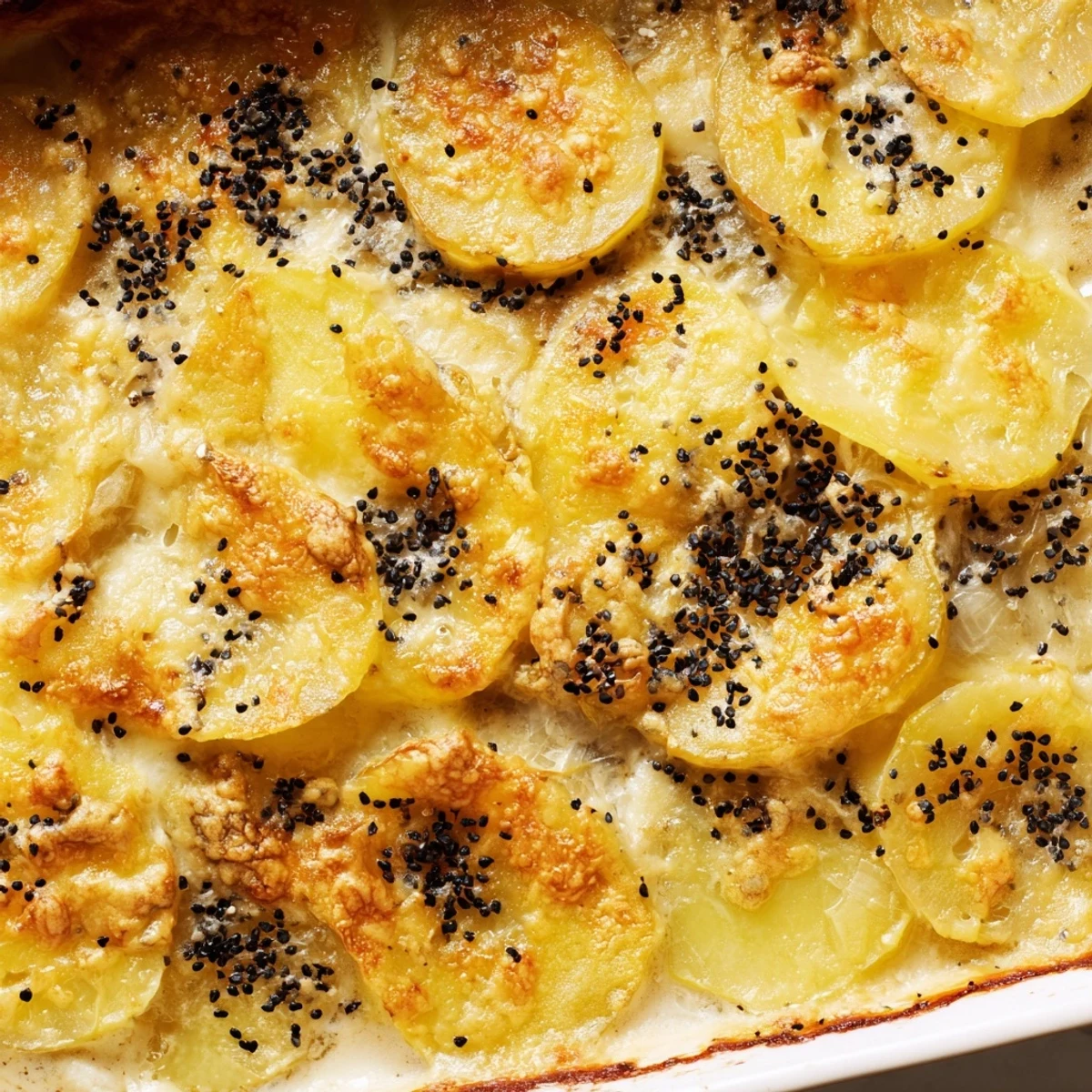
Save Some dishes become part of your permanent rotation without announcement or ceremony, and this nigella potato gratin is one of them. Share it generously and do not be surprised when people ask for the recipe.
Recipe FAQs
- → What makes nigella seeds special in this gratin?
-
Nigella seeds impart a distinctive earthy, slightly peppery flavor with subtle hints of onion and oregano. Their aromatic qualities beautifully complement the creamy potatoes and rich cheese, adding depth and complexity that elevates this classic European dish beyond traditional gratins.
- → Can I prepare this gratin ahead of time?
-
Absolutely. Assemble the entire dish up to 24 hours in advance, cover tightly, and refrigerate. When ready to bake, allow the dish to come to room temperature for 20 minutes, then bake as directed. You may need to add 5-10 extra minutes to compensate for the cold start.
- → What type of potatoes work best?
-
Starchy potatoes like Russet, Maris Piper, or King Edward are ideal because they break down slightly during baking, creating that coveted creamy texture. Waxy potatoes tend to hold their shape too much and won't deliver the same luxurious mouthfeel.
- → Can I substitute the Gruyère cheese?
-
Yes, while Gruyère offers excellent melting properties and nutty flavor, you can use Emmental for a milder taste, aged cheddar for sharper notes, or even Comté for French sophistication. Just ensure your chosen cheese melts well to maintain that velvety consistency.
- → Why is the resting time important?
-
Allowing the gratin to rest for 10 minutes after baking is crucial. This brief pause lets the internal liquids redistribute and the cheese set slightly, ensuring clean, neat servings. Cutting too soon may cause the layers to slide apart, though it won't affect the flavor.
- → How thin should I slice the potatoes?
-
Aim for slices about 1/8 inch (3mm) thick—thin enough to become tender during baking but substantial enough to maintain structure. A mandoline slicer ensures uniform thickness, which promotes even cooking and consistent texture throughout every layer.