
 Save
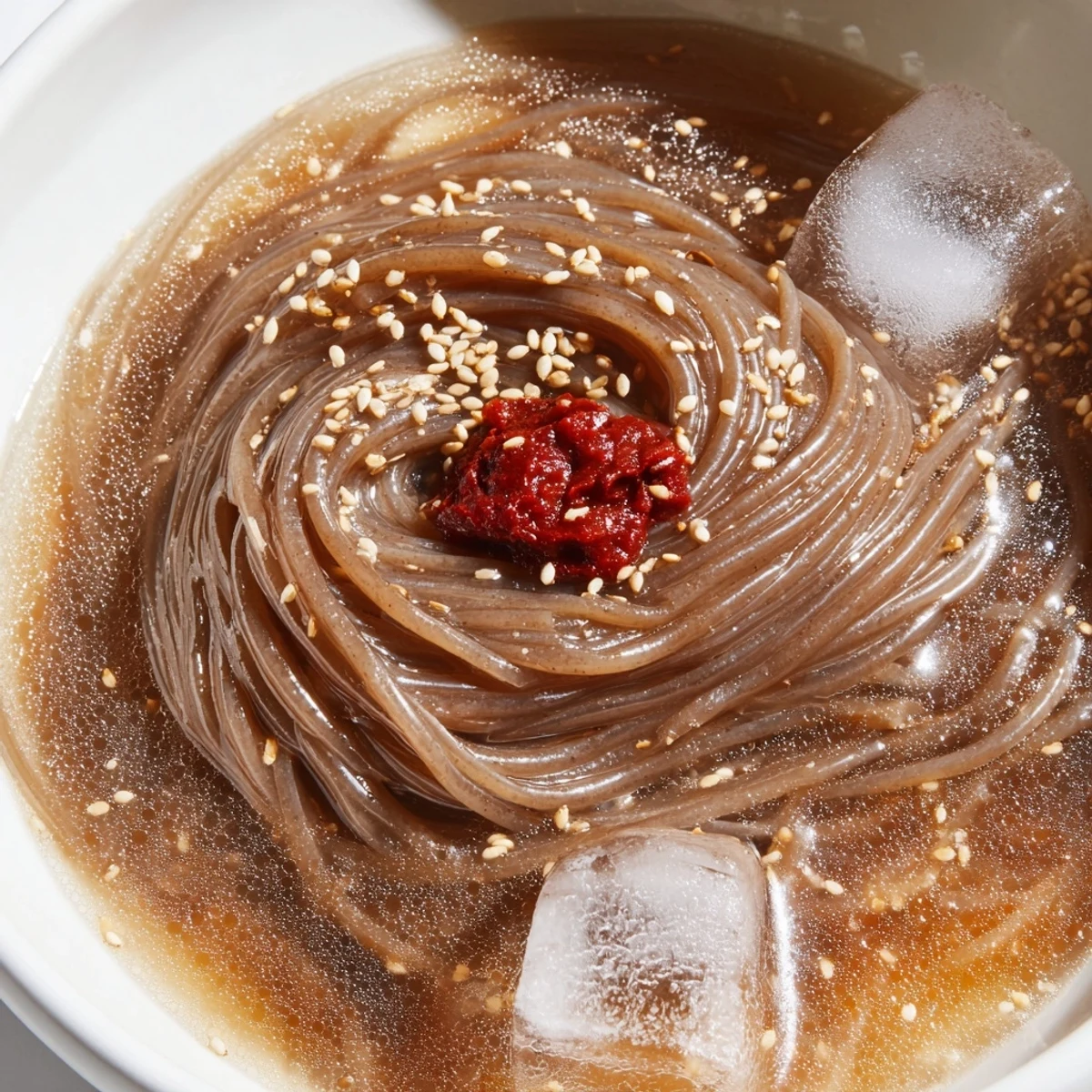
Save This classic Korean dish features thin buckwheat noodles served ice-cold in a tangy, savory broth. The refreshing combination of chewy noodles, tender beef, crisp cucumber, and sweet Asian pear creates a perfect balance of textures and flavors. Traditionally enjoyed during summer months, naengmyeon delivers a satisfying meal that cools and refreshes.
The broth gets its signature tanginess from rice vinegar while soy sauce and sesame oil add depth. Topped with protein-rich beef brisket and hard-boiled eggs, each bowl becomes a complete, nourishing meal.
The first time I tried naengmyeon at a bustling Korean restaurant in winter, I couldn't understand why anyone would choose icy noodles when it was snowing outside. One slurp later, the tangy broth and incredibly chewy noodles won me over completely, and I found myself craving this refreshing dish even on chilly days. Now I make it whenever summer heat becomes unbearable, or honestly, whenever I need something that wakes up my palate.
Last July during a heatwave, my apartment had no air conditioning and cooking felt impossible. I made a giant batch of this cold soup and invited friends over for what became the most comfortable dinner we'd had all week, sitting around bowls of ice-cold noodles and practically inhaling them.
Ingredients
- Beef broth: Homemade gives the best depth, but low-sodium works perfectly fine in a pinch
- Rice vinegar: This provides the essential tang that makes the broth so refreshing
- Sugar: Just enough to balance the acidity without making it sweet
- Sesame oil: A little goes a long way for that authentic Korean flavor
- Naengmyeon noodles: These buckwheat noodles have a unique chew you can't replicate
- Asian pear: Adds incredible crunch and subtle sweetness that cuts through the broth
- Cucumber: Thin slices bring freshness and extra coldness to every bite
- Cooked beef brisket: Protein that makes it substantial enough for a full meal
Instructions
- Mix the chilled broth:
- Combine your beef broth with cold water, rice vinegar, sugar, soy sauce, sesame oil, and salt in a large bowl. Stir until everything dissolves completely, then pop it in the refrigerator to get thoroughly cold.
- Prep all your toppings:
- Boil your eggs for exactly 10 minutes, then cool them under cold water before peeling and halving. Slice your beef brisket paper-thin, and cut your cucumber and Asian pear into delicate, almost translucent slices.
- Cook and rinse the noodles:
- Boil the naengmyeon noodles according to package directions, usually just 3-4 minutes. Drain them well and rinse under cold running water until they're completely chilled and no longer starchy.
- Build your perfect bowl:
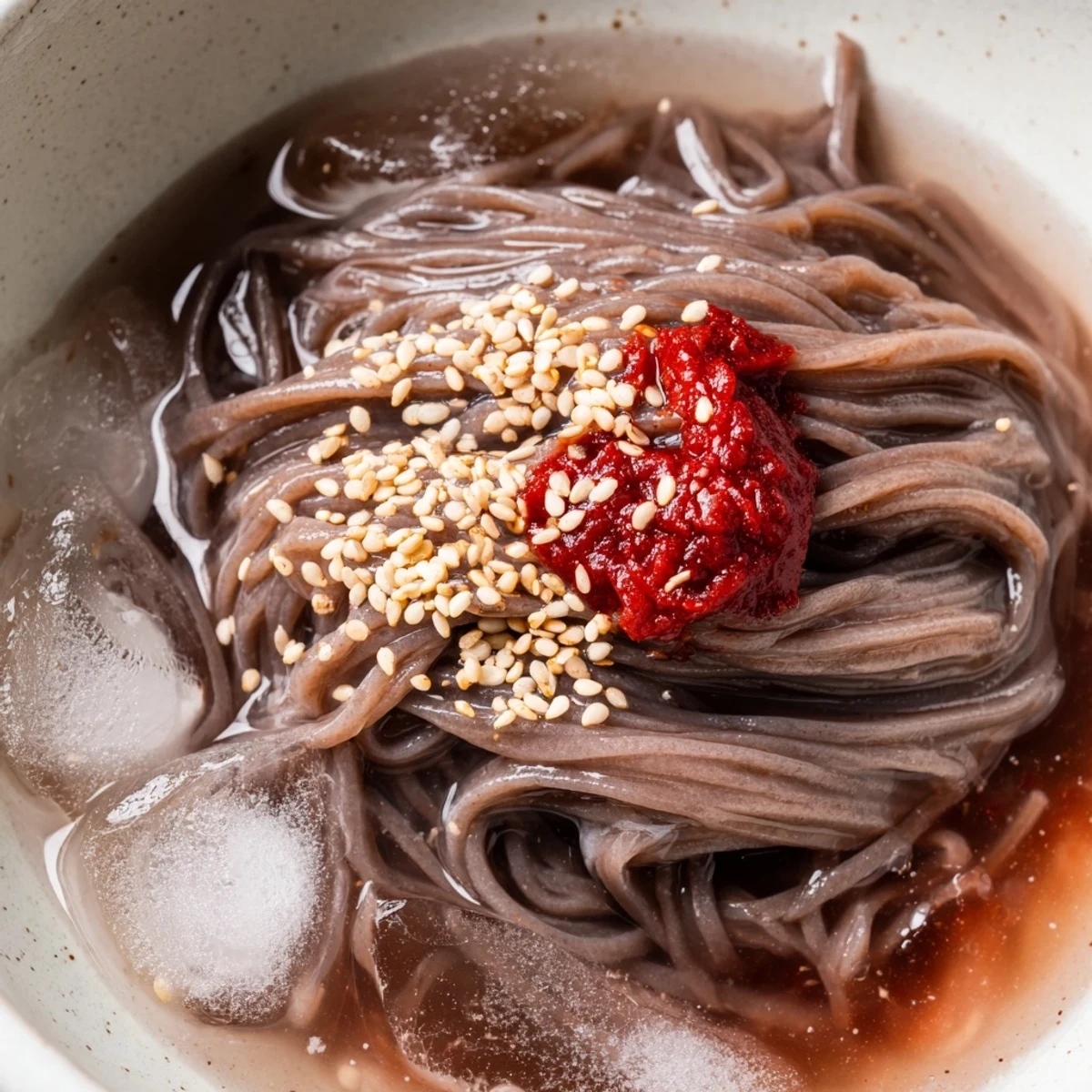
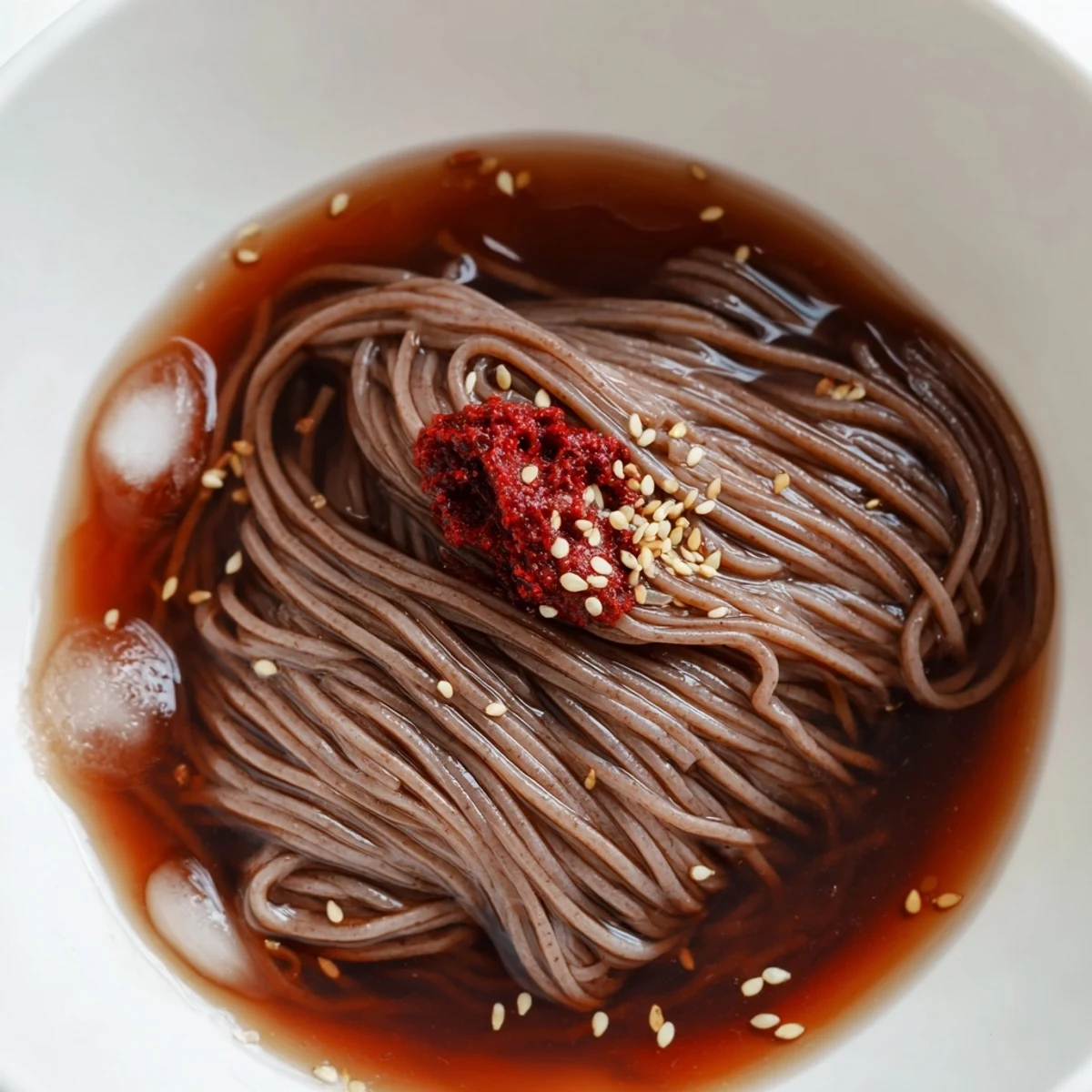
- Divide the cold noodles among four bowls and pour that icy broth over them. Arrange your toppings beautifully on top and add a few ice cubes to keep everything refreshingly cold.
 Save
Save This recipe became a staple in my house after my Korean friend's grandmother tasted my version and actually nodded with approval, which felt like winning a gold medal in cooking.
Making The Broth Your Own
Some days I add a splash of dongchimi brine if I have it, which gives the broth this fermented complexity that's absolutely addictive. Other times I'll use chicken or pork broth instead of beef, and each variation brings something different to the table.
The Perfect Noodle Texture
I learned the hard way that overcooking these noodles turns them into mush, so watch them like a hawk during that 3-4 minute window. The rinse under cold water isn't just about temperature—it stops the cooking process and washes away starch that would otherwise make your broth cloudy and gummy.
Customization Ideas
While traditional naengmyeon is perfect as-is, I sometimes add gochujang for heat or extra cucumber when I want more crunch. The beauty of this dish is how adaptable it is to your preferences.
- Try adding pickled radish for authentic color and extra tang
- Keep extra vinegar and mustard at the table for personal seasoning
- Cook the noodles fresh rather than reheating them for the best texture
 Save
Save There's something deeply satisfying about slurping these cold noodles on a hot day and feeling instantly refreshed from the inside out.
Recipe FAQs
- → What makes naengmyeon noodles special?
-
The distinctive chewy texture comes from buckwheat and sweet potato starch in traditional naengmyeon noodles. This springy quality pairs perfectly with the cold broth, creating a unique eating experience that's both refreshing and satisfying.
- → Can I make the broth ahead of time?
-
Absolutely. The broth actually benefits from chilling overnight, allowing flavors to meld. Prepare it up to 2 days in advance and keep it refrigerated. The colder the broth, the better the final dish tastes.
- → What's the best way to eat naengmyeon?
-
Use scissors to cut the long noodles into manageable lengths before eating. This traditional method makes the dish easier to enjoy. Mix everything together thoroughly to distribute the tangy broth evenly throughout.
- → Can I substitute the beef brisket?
-
Yes, grilled bulgogi beef, shredded chicken, or even pan-fried tofu work beautifully. For a vegetarian version, use mushroom broth and top with marinated tofu or additional vegetables like radish and carrots.
- → Why are ice cubes added to the soup?
-
Ice cubes maintain the icy temperature essential to naengmyeon's character. As they slowly melt, they also dilute the seasonings slightly, creating a perfectly balanced broth that stays refreshingly cold until the last bite.
- → How do I store leftover naengmyeon?
-
Store noodles and broth separately to prevent sogginess. Keep broth refrigerated up to 3 days. Noodles can be stored in the fridge for 1-2 days—rinse with cold water before serving to refresh their texture.