
 Save
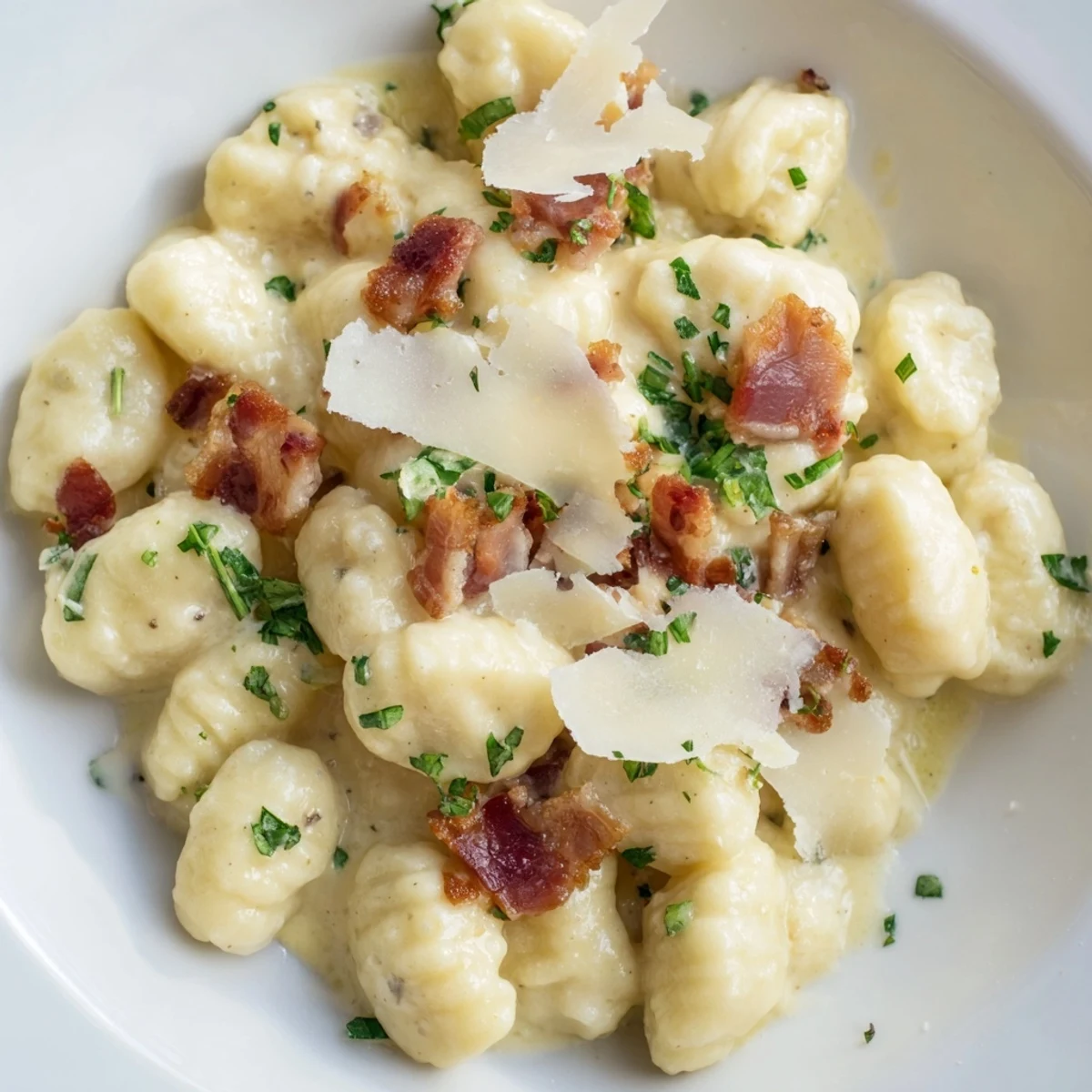
Save Transform store-bought potato gnocchi into an elegant Italian-inspired dish with this carbonara preparation. The technique creates a silky sauce by tossing hot gnocchi with beaten eggs and Parmesan off the heat, while rendered bacon fat provides depth and savory notes throughout.
The key lies in temperature control—removing the skillet from heat before adding the egg mixture prevents curdling and ensures a velvety texture. Reserve pasta water to adjust consistency as needed, creating a glossy coating that clings beautifully to each piece of gnocchi.
Freshly grated Parmesan melts into the sauce, while generous black pepper provides the classic carbonara kick. The entire dish reaches the table in under 40 minutes, making it ideal for both casual weeknight dinners and weekend entertaining.
The smell of bacon rendering in my tiny apartment kitchen instantly transports me back to my first week living alone. I was nervous about cooking something fancy, but this gnocchi carbonara felt manageable and so rewarding. My roommate poked her head in and asked what smelled like a restaurant, and I felt like I had truly mastered something important.
I made this for a cold Tuesday night dinner with my sister, and we ended up eating standing up at the counter because neither of us wanted to stop long enough to set the table. The way the pillowy gnocchi soak up that glossy sauce is just absolute comfort food perfection.
Ingredients
- 500 g potato gnocchi: Store-bought works beautifully here, but if you have time to make homemade, the texture difference is worth every minute
- 2 large eggs plus 1 yolk: The extra yolk is what gives the sauce that luxurious restaurant-style richness
- 100 g freshly grated Parmesan: Do not use pre-grated cheese here, it will not melt properly into the sauce
- 150 g bacon or pancetta: Dicing it small means more crispy bits in every single bite
- 1/2 tsp black pepper and 1/4 tsp salt: Carbonara is supposed to be peppery, so do not be shy with it
Instructions
- Prep the base:
- Whisk the eggs, yolk, Parmesan, pepper, and salt in a bowl until smooth and set aside near the stove
- Crisp the bacon:
- Cook the diced bacon in a large skillet over medium heat until crispy and golden, about 5 to 7 minutes, then remove from heat and leave the fat in the pan
- Boil the gnocchi:
- Cook the gnocchi in salted boiling water until they float, usually 2 to 3 minutes, then reserve 1/2 cup pasta water before draining
- Combine:
- Toss the drained gnocchi with the bacon fat in the skillet over low heat, then remove from heat completely
- Create the sauce:
- Pour the egg mixture over the gnocchi immediately, tossing constantly to create a creamy sauce, adding pasta water if needed
 Save
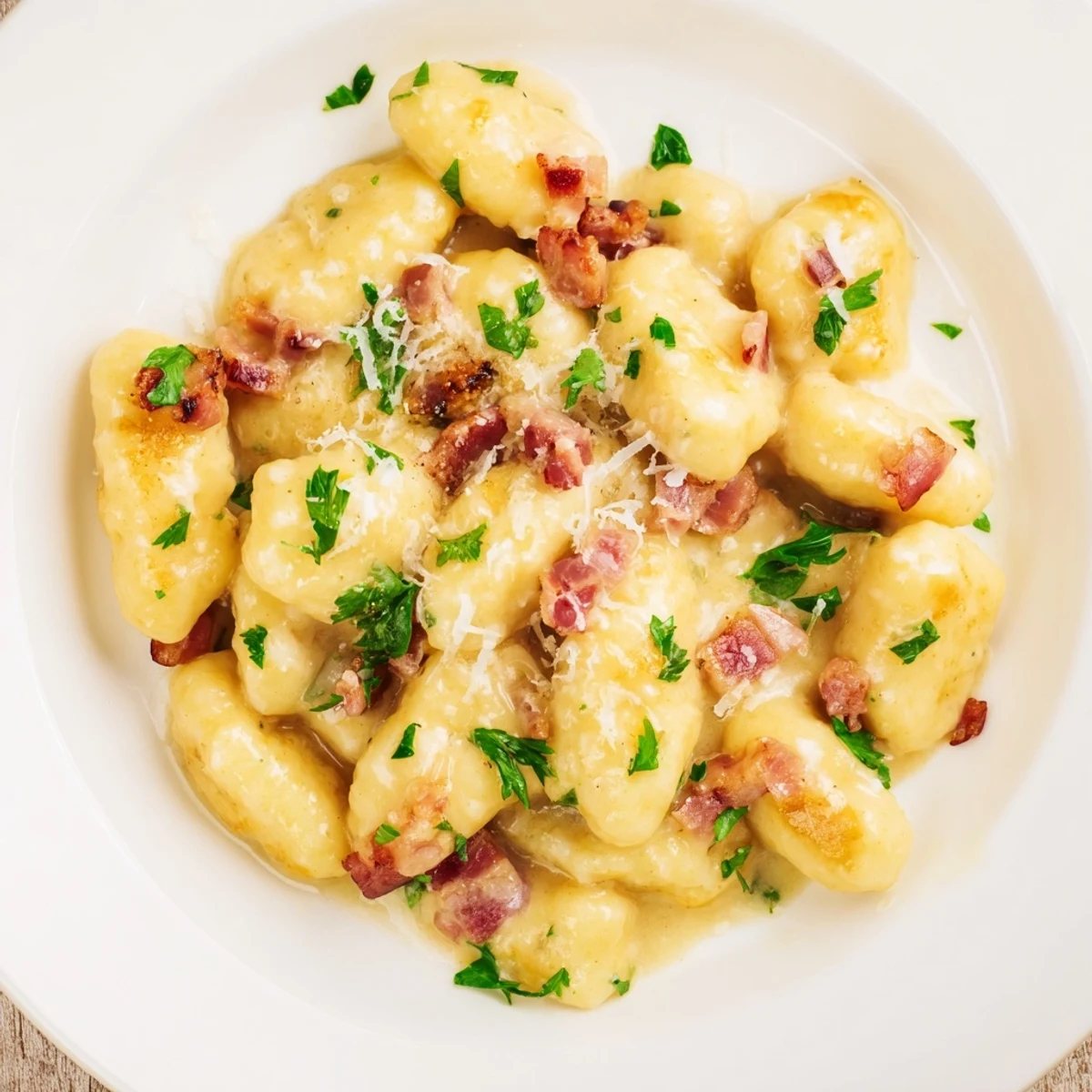
Save This dish became my go-to for impressing dates without showing off too much. Something about the steam rising from the bowl, the crispy bits of bacon catching the light, and that first creamy bite makes people feel genuinely taken care of.
Choosing Your Gnocchi
Look for gnocchi that lists potatoes as the first ingredient, avoiding brands with too much wheat flour if you can. The texture should be somewhat rough on the surface, which helps sauce cling to every piece.
The Art of the Carbonara Technique
Moving fast when combining the eggs with hot pasta is the difference between success and disaster. Have everything measured and ready before you start, because there is no time to hunt for ingredients once that gnocchi hits the pan.
Serving Suggestions
A crisp white wine like Pinot Grigio cuts through the richness beautifully and makes the whole meal feel like an occasion.
- Grate extra Parmesan tableside for that dramatic finish
- Cracked black pepper should be freshly ground, right before serving
- Cook the gnocchi until they just float, any longer and they become gummy
 Save
Save Some nights comfort food is exactly what you need, and this delivers every single time. Enjoy every creamy, crispy bite.
Recipe FAQs
- → Can I use homemade gnocchi instead of store-bought?
-
Homemade gnocchi works beautifully in this dish. Ensure your homemade dumplings are properly shaped and dusted with semolina to prevent sticking. Cook fresh gnocchi briefly—just until they float, typically 1-2 minutes—before proceeding with the carbonara preparation.
- → What's the best way to prevent the eggs from scrambling when making the sauce?
-
The critical step is removing the skillet from the heat source before adding the egg mixture. Work quickly and constantly toss the gnocchi to distribute the eggs evenly. The residual heat from the pasta and bacon gently cooks the eggs into a creamy sauce rather than scrambling them. Adding pasta water helps temper the eggs and smooth the texture.
- → Can I substitute pancetta for the bacon?
-
Pancetta is an excellent alternative and actually more traditional in carbonara preparations. Italian pancetta provides a slightly sweeter, more delicate pork flavor compared to smoky American bacon. Guanciale (cured pork cheek) would be the most authentic choice, though bacon remains perfectly delicious and accessible.
- → How do I store and reheat leftovers?
-
Store leftover gnocchi carbonara in an airtight container in the refrigerator for up to 2 days. Note that the sauce may separate upon storage—the best reheating method involves gently warming in a skillet over low heat while adding a splash of pasta water or cream to restore the creamy consistency. Avoid microwaving, which can cause the sauce to break and become grainy.
- → What vegetarian substitutions work well in place of bacon?
-
For a vegetarian version, smoked mozzarella or provolone adds savory depth similar to bacon. Alternatively, sautéed cremini or shiitake mushrooms provide umami richness, while a pinch of smoked paprika can mimic the smoky quality. Some cooks also use vegetarian bacon substitutes, though the flavor profile differs slightly from traditional pork-based preparations.
- → Why is freshly grated Parmesan recommended over pre-grated cheese?
-
Freshly grated Parmesan melts more evenly and creates a smoother sauce compared to pre-grated varieties, which often contain anti-caking agents that prevent proper melting. The texture and flavor of cheese grated just before incorporating is noticeably superior, resulting in a silkier, more cohesive carbonara sauce that coats the gnocchi beautifully.