
 Save
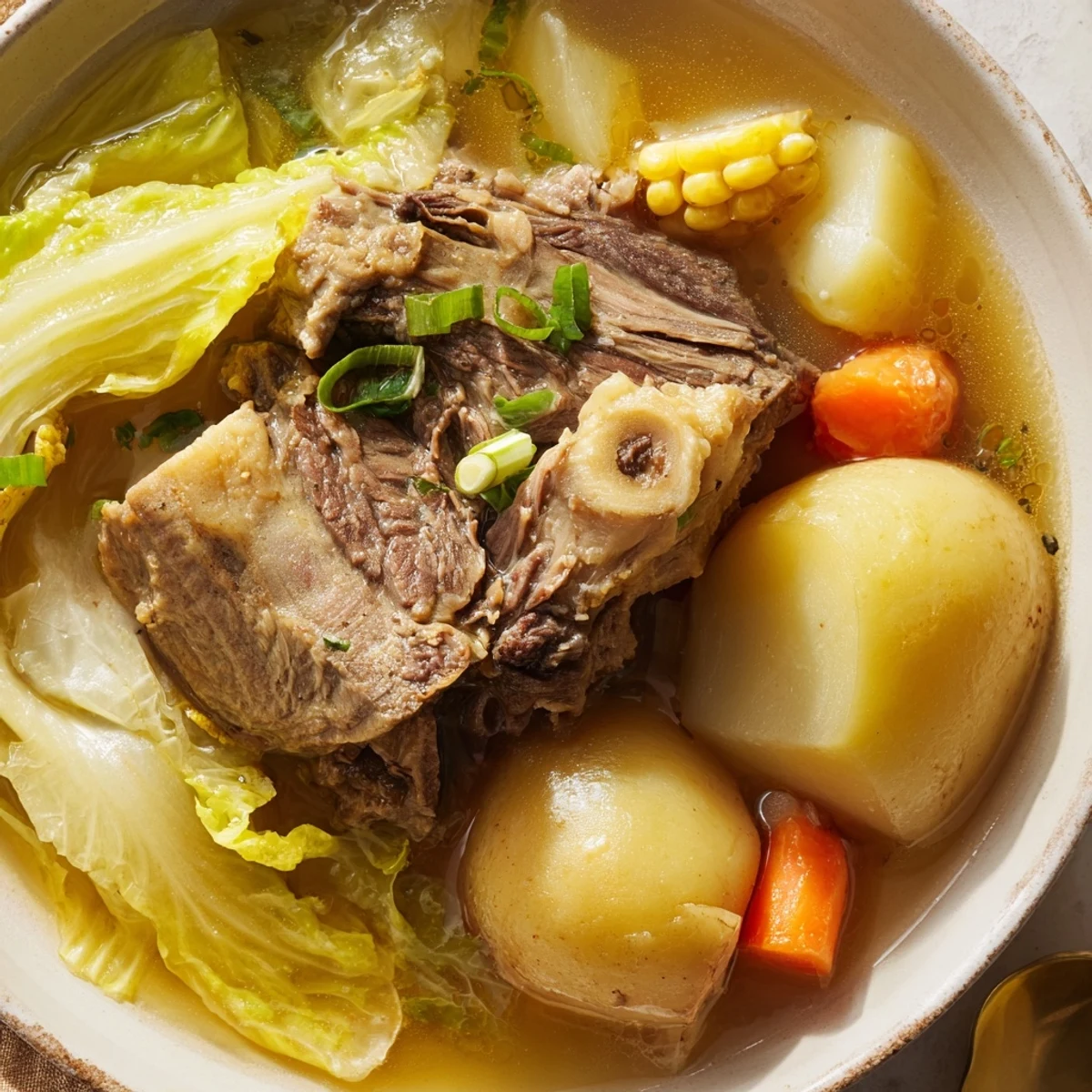
Save This traditional Filipino soup transforms beef shank and bone marrow into a deeply nourishing clear broth simmered for hours. The slow cooking process extracts maximum flavor from the bones, creating a rich base that's perfectly balanced with fresh vegetables like corn, potatoes, napa cabbage, and green beans.
The key to exceptional bulalo lies in patience—allowing the beef to become fork-tender while the broth develops its signature depth. Each bowl offers tender meat, creamy marrow, and crisp-tender vegetables, typically finished with a squeeze of calamansi for brightness.
The rainy season in Manila always meant my grandmother would have a pot of bulalo simmering on the back burner. I used to sit by the stove watching the steam curl up, hoping she'd let me have the first taste of the bone marrow before anyone else came home. Those afternoons taught me that some soups need time, attention, and the kind of patience that only comes from love.
Last December, I made this for friends who had never tried Filipino soup before. They were skeptical about the bone marrow until I showed them how to scoop it onto rice with a little calamansi. Now they text me every time it rains, asking when the next pot is happening.
Ingredients
- 1.5 kg beef shank, bone-in with marrow: The shank provides collagen for body, while the marrow melts into the broth creating that signature velvety texture
- 500 g beef bone marrow bones: Optional but worth every extra minute of simmering for the luxurious richness they add
- 2 ears corn: Natural sweetness balances the savory beef and adds that familiar Filipino soup flavor
- 1 medium onion: Quartered so it infuses the broth without completely falling apart
- 1 medium carrot: Cut into large chunks so they don't disintegrate during long simmering
- 250 g baby potatoes: They absorb the savory broth while holding their shape better than larger potatoes
- 1 small head napa cabbage: Adds freshness and a slight crunch that contrasts beautifully with the tender beef
- 1 small bunch green beans: Trimmed ends only, they add color and a snap to every spoonful
- 2-3 saba bananas: The secret ingredient that adds subtle sweetness and makes this authentically Filipino
- 10 cups water: Start with this amount, adding more only if needed during the long simmer
- 1 tablespoon whole black peppercorns: Crush them slightly in your palm before adding to release their aromatic oils
- 2 tablespoons fish sauce: The essential umami base, but always taste before adding more
- Salt: Add gradually at the end since the broth concentrates as it cooks
- Chopped scallions: Fresh brightness right before serving brings everything together
- Calamansi or lemon wedges: That squeeze of acid cuts through the richness and wakes up all the flavors
Instructions
- Start the foundation:
- Place beef shank and marrow bones in your largest pot, cover completely with water, and bring to a rolling boil over high heat. Watch for the gray foam that rises to the surface, skimming it off diligently until the liquid looks clear again.
- Build the broth:
- Lower the heat to a gentle simmer, add onion quarters, peppercorns, and fish sauce, then cover and let it cook undisturbed for 2 hours. Check occasionally that the liquid hasn't reduced too much, adding hot water only if necessary to keep the beef submerged.
- Add the hearty vegetables:
- Stir in halved potatoes and carrot chunks, letting them simmer for about 10 minutes until they're just beginning to soften. The broth should smell incredible by now, rich and beefy with hints of peppery warmth.
- Bring in the sweet elements:
- Add corn pieces and sliced plantains, plus the green beans if you prefer them softer. Let everything cook together for another 10 minutes, letting the corn's natural sweetness infuse into the broth.
- Finish with the greens:
- Gently fold in the napa cabbage pieces, cooking just until they wilt and turn bright green, about 2 to 3 minutes. Don't overcook them here, they should still have some life in every bite.
- Season to perfection:
- Taste the broth carefully, adding salt or more fish sauce only if needed. Remember that the calamansi served on the side will add brightness, so don't over-salt now.
- Serve with love:
- Ladle the hot soup into bowls making sure everyone gets some marrow, beef, vegetables, and that precious broth. Top with fresh scallions and pass calamansi wedges so everyone can squeeze their own perfect balance.
 Save
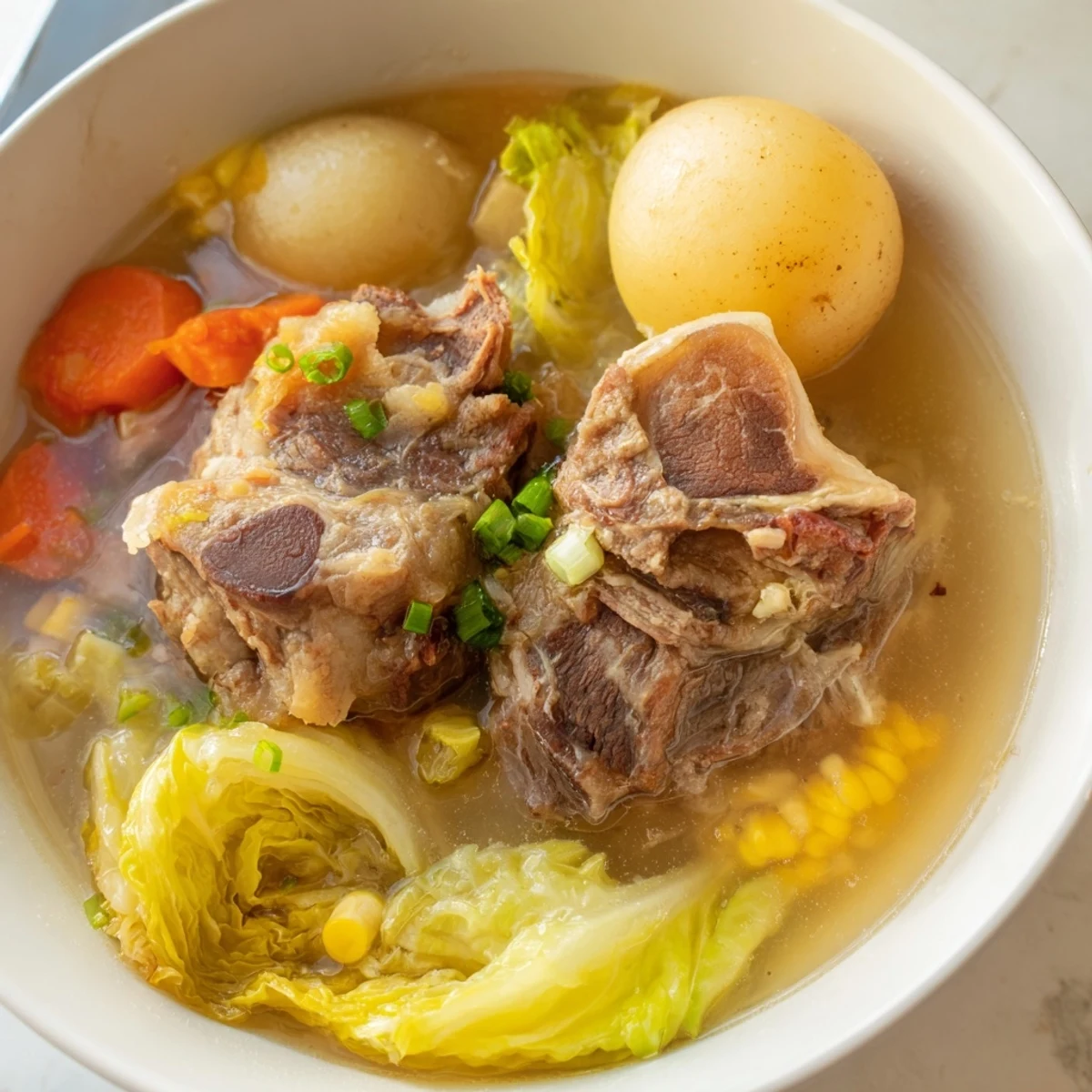
Save My grandfather used to say the best bulalo requires three things, good bones, better patience, and people you love to share it with. Every time I make this now, I understand exactly what he meant.
Getting The Perfect Broth
I've learned that rushing the simmer time is the biggest mistake you can make with bulalo. The collagen needs hours to break down properly, transforming what starts as simple water into something that coats your spoon and warms you from the inside out. Don't worry if it looks thin at first, magic happens in that final hour.
Choosing Your Vegetables
The vegetables in bulalo aren't just filler, they're essential to the experience. Napa cabbage works better than regular cabbage because it's more delicate and absorbs the broth without becoming mushy. For the bananas, choose saba or plantains that are still slightly firm, not completely soft, so they hold their shape during cooking.
Serving It Right
A proper bulalo meal deserves respect and the right setup. Each person should get their own small bowl of steaming jasmine rice, perfect for sopping up that golden broth. Keep extra fish sauce on the table, too, because everyone's palate is different.
- Set out marrow spoons if you have them, your guests will appreciate the gesture
- Have a small bowl of extra fish sauce nearby for those who love it bold
- Prepare more calamansi than you think you'll need, they disappear quickly
 Save
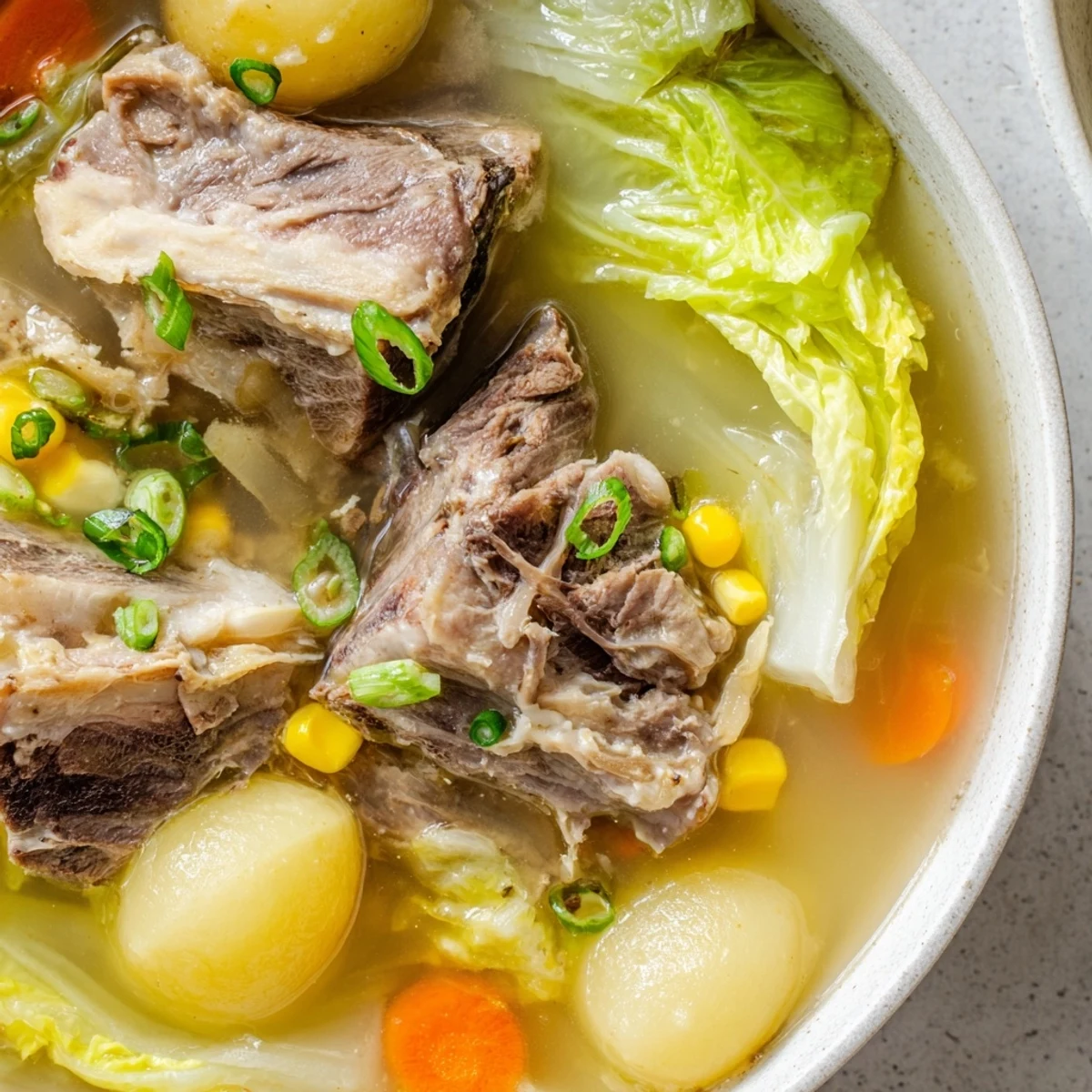
Save There's something about a steaming bowl of bulalo that turns strangers into family and ordinary evenings into memories. Maybe that's the real secret ingredient all along.
Recipe FAQs
- → What makes bulalo different from other beef soups?
-
Bulalo specifically uses beef shank with bone-in, allowing the marrow to melt into the broth during long simmering. This creates a distinctive richness and depth that sets it apart from other beef noodle or vegetable soups.
- → How do I get the clearest broth possible?
-
Parboil the beef shank briefly, discard the first boil water, then start fresh. Skim any scum or impurities that rise to the surface during simmering. Avoid boiling vigorously—a gentle simmer keeps the broth clear.
- → Can I use other vegetables in this soup?
-
While traditional, you can substitute bok choy for napa cabbage, add pechay (bok choy), or include other root vegetables like sweet potato. Just add heartier vegetables earlier and delicate greens near the end.
- → Why is fish sauce used instead of salt?
-
Fish sauce (patis) adds umami depth that salt alone cannot achieve. It enhances the beef's natural flavors and contributes to the authentic Filipino taste profile. You can still adjust with salt at the end.
- → What's the purpose of adding plantains?
-
Saba bananas add subtle sweetness that balances the savory beef broth. They also provide a creamy texture element that complements the tender beef shank and vegetables. This is an optional but traditional addition.