
 Save
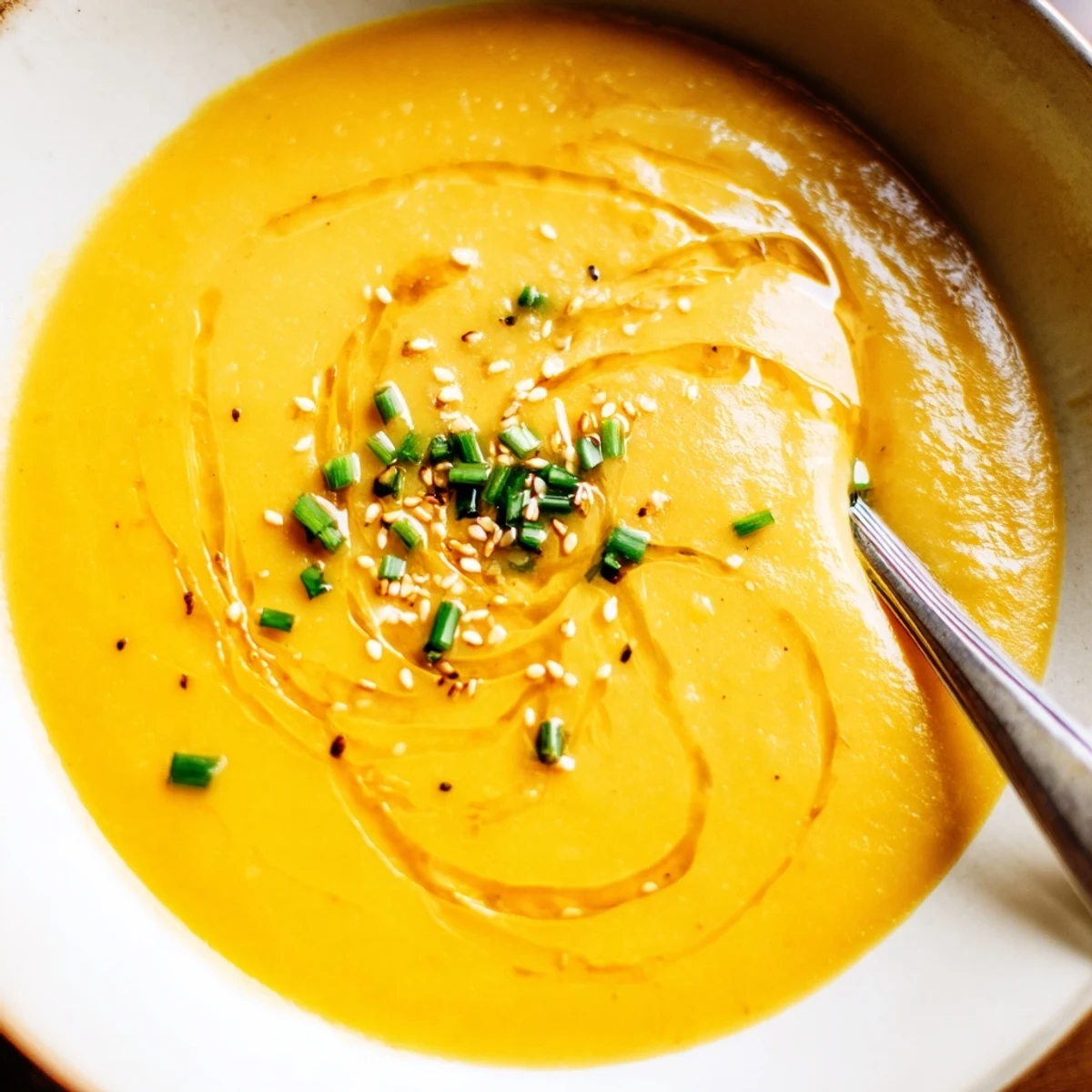
Save This vibrant carrot and ginger miso soup blends sweet carrots with grated ginger, sautéed onion and garlic, then simmers in vegetable broth until tender. Purée until silky, then whisk in white or yellow miso and a splash of tamari off the heat to keep the miso's nuance. Garnish with scallions, sesame seeds or a drizzle of sesame oil; roast the carrots first for deeper sweetness.
The rain was hammering against the kitchen window and I had a bag of carrots staring me down from the counter when I decided enough was enough, I was making soup. Ginger and miso felt like the right move, something warm and a little electric to cut through a gray afternoon. What came out of that pot was silky, bright orange, and honestly way better than I expected from such a humble pile of vegetables. Now it is the soup I reach for when I need something that feels like care in a bowl.
My neighbor stopped by one evening right as I was ladling this into bowls, and she stood in the doorway smelling the ginger before she even said hello. I handed her a bowl and she leaned against the counter eating it without ceremony, which is honestly the highest compliment any soup can receive.
Ingredients
- 1 lb carrots, peeled and sliced: The sweetness of carrots is the soul of this soup, so pick firm, vibrant ones with no bend to them.
- 1 medium yellow onion, diced: Onion builds the flavor foundation and mellows into something gently sweet as it cooks.
- 2 cloves garlic, minced: Fresh garlic matters here because there are so few ingredients and each one has to pull its weight.
- 1 inch piece fresh ginger, peeled and finely grated: Ginger brings a clean, warming zing that makes the whole pot feel alive.
- 4 cups low sodium vegetable broth: Low sodium lets you control the salt and keeps the miso from making things too briny.
- 1 cup water: A little water thins the soup just enough so it is velvety rather than thick like a puree.
- 3 tbsp white or yellow miso paste: Miso is the umami bomb here and you must never let it boil or you lose its delicate complexity.
- 1 tbsp olive oil: Just enough to soften the onions and carry the aromatics without weighing anything down.
- 1 tbsp soy sauce or tamari: A splash of soy sauce rounds out the savory depth and bridges the ginger and miso beautifully.
- Salt and black pepper to taste: Season at the end because the miso and soy sauce already contribute significant salt.
- Chopped scallions, toasted sesame seeds, sesame oil for topping: These are optional but they add crunch, color, and a finishing touch that makes the bowl feel complete.
Instructions
- Wake up the onions:
- Heat olive oil in a large pot over medium heat and add the diced onion, stirring occasionally until it turns translucent and soft, about three to four minutes. You will know it is ready when the edges just start to glisten and the sharp raw smell disappears.
- Bloom the aromatics:
- Stir in the minced garlic and grated ginger, cooking for about one minute until your kitchen smells incredible and the ginger loses its raw bite. Keep stirring so nothing catches on the bottom of the pot.
- Introduce the carrots:
- Add the sliced carrots and let them cook alongside the aromatics for two to three minutes, just long enough to pick up a little color and get coated in that fragrant oil. This small step adds a subtle sweetness you will notice in every spoonful.
- Build the broth:
- Pour in the vegetable broth and water, then bring everything to a rolling boil before reducing the heat to a gentle simmer. Let it cook for fifteen to twenty minutes until the carrots are completely tender when you pierce them with a fork.
- Blend until silky:
- Remove the pot from heat and use an immersion blender to puree until completely smooth, or work in careful batches with a countertop blender. The soup should be a vivid, uniform orange with no chunks remaining.
- Stir in the miso:
- Return the pot to low heat and whisk in the miso paste and soy sauce, stirring until the miso dissolves completely into the soup. Never let it boil after the miso goes in, since high heat dulls its flavor and kills the beneficial cultures.
- Season and serve:
- Taste the soup and add salt and pepper as needed, then ladle into warm bowls. Scatter chopped scallions, toasted sesame seeds, and a thin drizzle of sesame oil over the top if you like.
 Save
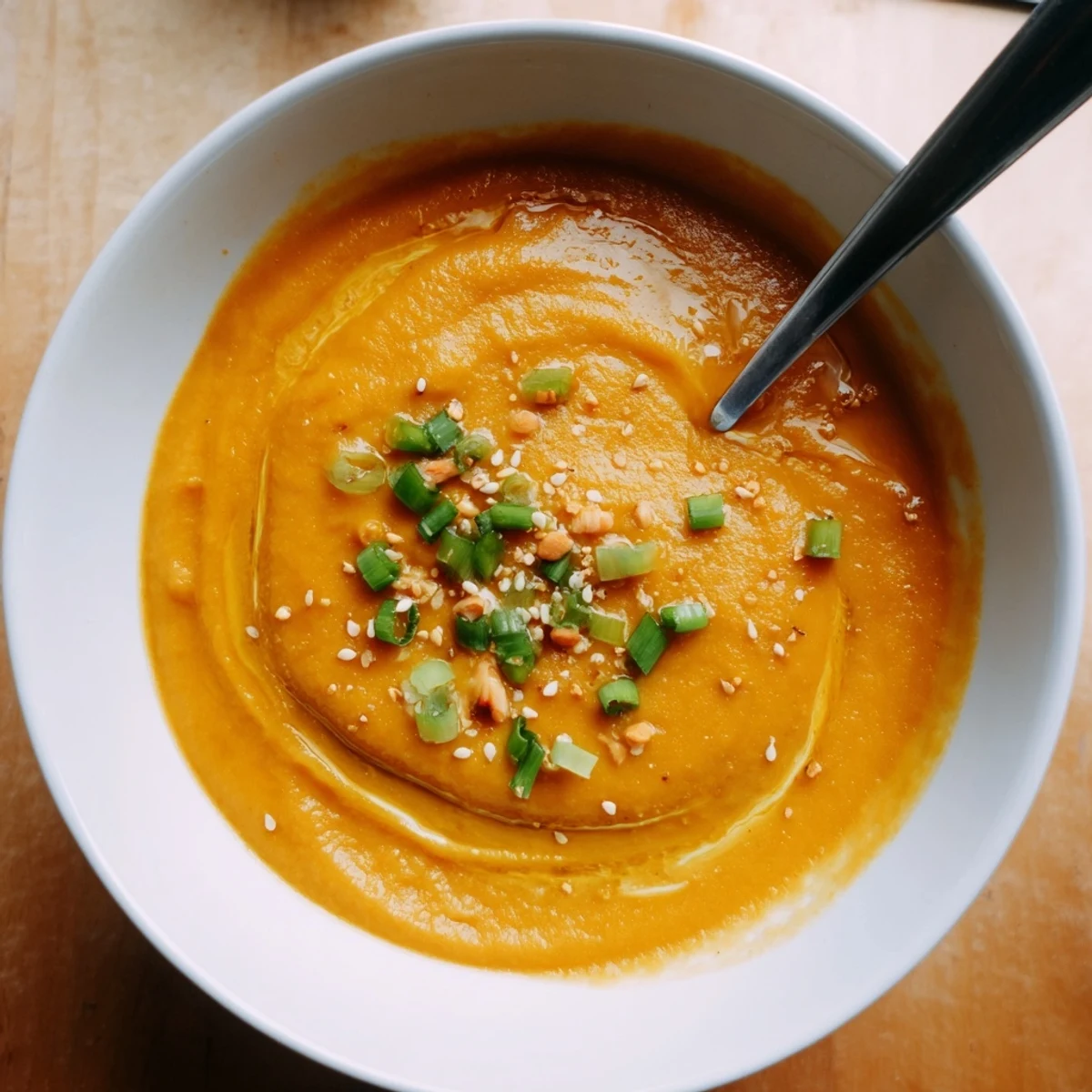
Save There is something about the color of this soup that makes people happy before they even taste it, like sunshine ladled into a bowl on a day when you needed it most.
What If I Want a Thicker or Thinner Soup?
If you prefer a thicker, more substantial soup, simply reduce the water by half or add an extra carrot to the pot before simmering. For a thinner consistency, stir in a splash more broth after blending until it reaches the texture you love.
Swapping Miso Varieties
White miso is mild and slightly sweet, yellow is a bit bolder, and red miso will give you a deeply savory, almost earthy result that changes the whole personality of the dish. I usually reach for white but once tried red miso on a whim and ended up with a version that tasted like it belonged in a proper ramen shop.
Serving and Storing This Soup
This soup stores wonderfully in the refrigerator for up to four days and reheats gently on the stove with a splash of water to loosen it back up. It also freezes well for up to three months, making it perfect for batch cooking on a quiet Sunday afternoon.
- Freeze in individual portions so you can grab exactly what you need without thawing the entire batch.
- Serve with crusty bread for dipping or ladle it over a small mound of steamed rice for a more filling meal.
- Always reheat gently and never bring it back to a full boil so the miso flavor stays bright and alive.
 Save
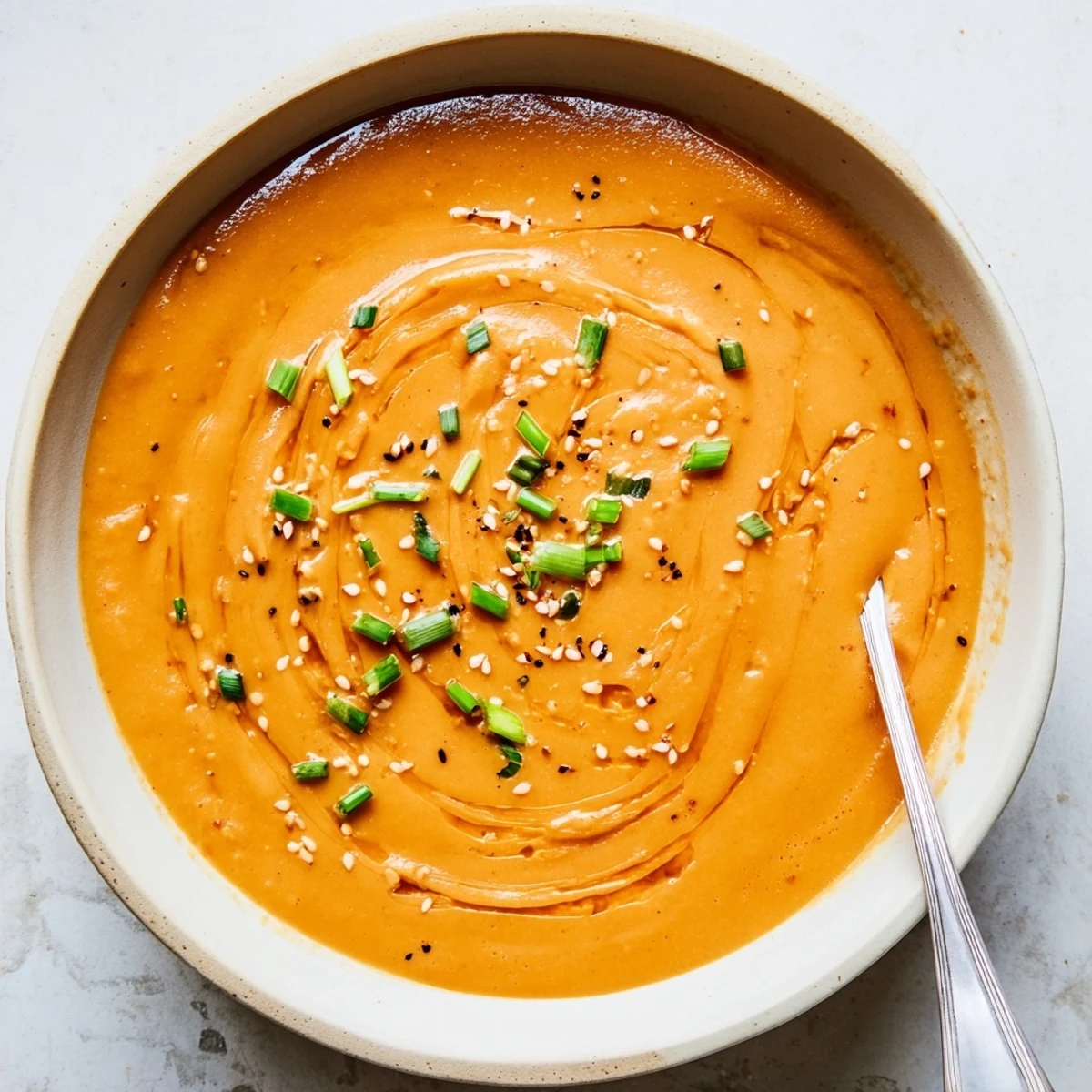
Save This soup asks almost nothing of you and gives back so much warmth, color, and comfort in return. Keep it in your back pocket for the days when you need something simple and good.
Recipe FAQs
- → Should I heat miso before adding it?
-
No — dissolve miso off the boil. Finish the blended soup off heat and whisk in miso and tamari to preserve delicate enzymes and flavor without scorching.
- → Can I roast the carrots instead of sautéing?
-
Yes. Roasting concentrates sweetness and adds caramelized notes; roast at 425°F until tender and then proceed with simmering or blending for deeper flavor.
- → What miso is best for a light, silky finish?
-
White or yellow miso yield a mild, slightly sweet umami that complements carrots and ginger. Use red miso sparingly for a richer, earthier profile.
- → How can I make this gluten-free?
-
Choose a certified gluten-free miso and swap soy sauce for tamari labeled gluten-free. Check all labels for hidden wheat ingredients.
- → How do I get an ultra-smooth texture?
-
Use an immersion blender or a countertop blender in batches, blending until silky. Strain through a fine-mesh sieve if you want an ultra-refined finish.
- → What garnishes pair well with these flavors?
-
Chopped scallions, toasted sesame seeds, a tiny drizzle of sesame oil or a swirl of coconut milk add contrast and visual appeal. Microgreens or crushed toasted nuts work too.