
 Save
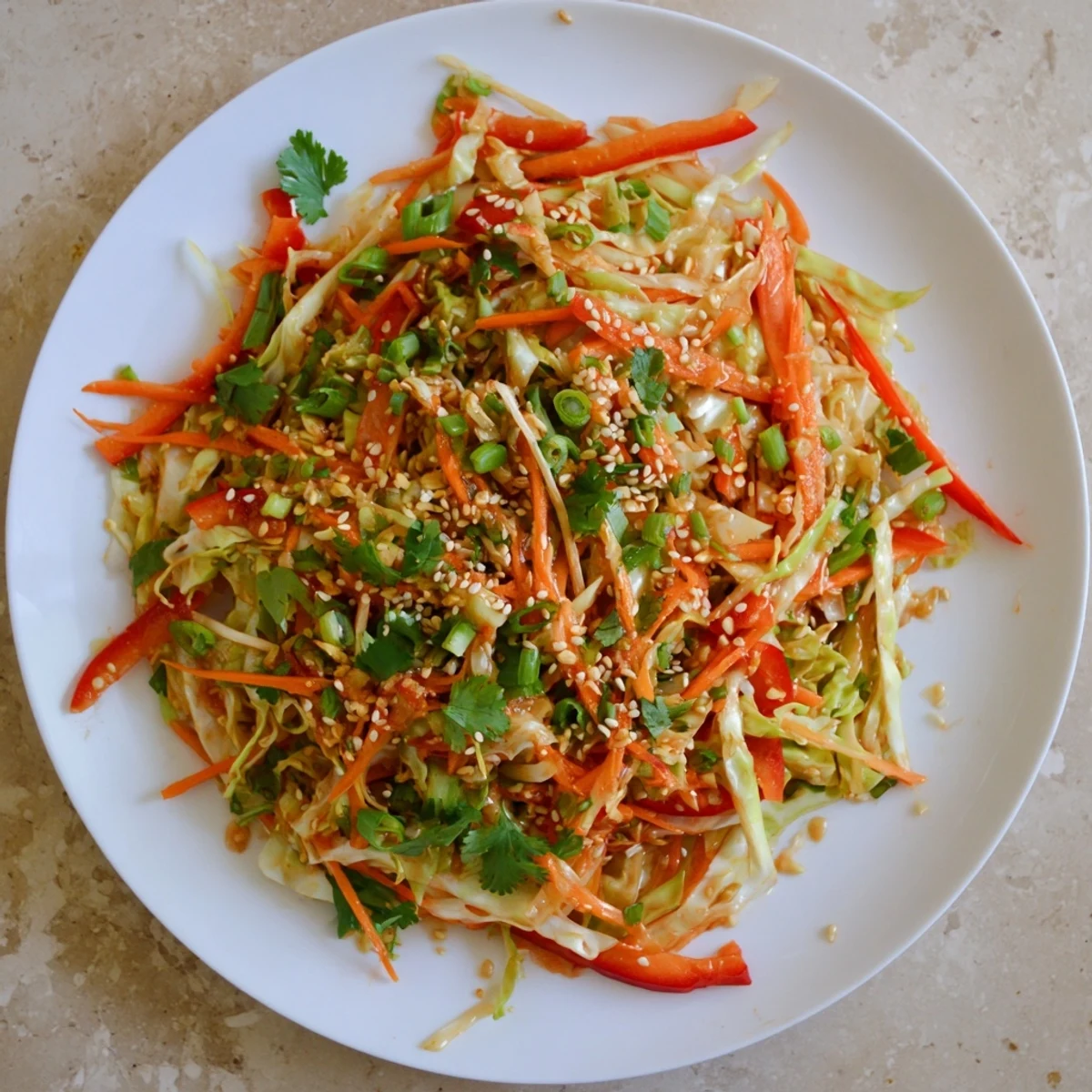
Save This quick Asian-inspired stir fry brings together crisp green cabbage, julienned carrots, and red bell peppers in a tangy sesame-soy sauce. The dish comes together in just 25 minutes, making it perfect for busy weeknights. Fresh ginger and garlic add aromatic depth, while a touch of sweetness balances the savory elements.
The vegetables maintain their crunch for texture contrast, and the sauce coats everything evenly without making it soggy. It's versatile enough to serve as a light main or accompany grilled proteins. You can easily customize it with tofu, shrimp, or your favorite crunch toppings like peanuts or cashews.
The first time I made cabbage stir fry, I was shocked by how something so humble could taste so extraordinary. I'd originally bought the cabbage for coleslaw, but a rainy Tuesday and a half-empty pantry led me to throw it in a hot wok with whatever vegetables I could find. That night taught me that the right technique and a well-balanced sauce can transform the most ordinary ingredients into something you actually crave. Now this dish is my go-to when I want something healthy but deeply satisfying.
Last summer my sister came over for dinner and watched me make this, genuinely surprised that cabbage could be the star of the show. She kept stealing bites straight from the wok, burning her fingers but not caring, because the combination of tender vegetables and that salty-sweet sauce is just addictive. Now she texts me every time she makes it, usually with some variation about what vegetables she added or how she doubled the sauce because she couldn't help herself.
Ingredients
- 1 medium head green cabbage, thinly sliced: Look for a heavy head with tight, crisp leaves that feel firm to the touch
- 1 large carrot, julienned: These add beautiful color and a subtle sweetness that balances the savory sauce
- 1 red bell pepper, thinly sliced: The vibrant red makes the dish pop and provides a lovely sweetness
- 2 green onions, sliced: Add these at the end for fresh, mild onion flavor and a pop of green
- 2 cloves garlic, minced: Fresh garlic is non-negotiable here for that authentic aromatic base
- 1-inch piece fresh ginger, grated: Peel it with a spoon and grate it finely for the best flavor distribution
- 3 tbsp soy sauce: Use tamari if you need it gluten-free, or regular soy sauce for that classic umami punch
- 1 tbsp sesame oil: This toasted oil adds such wonderful depth and nuttiness to the sauce
- 1 tbsp rice vinegar: Just enough acidity to brighten everything without overpowering
- 1 tsp maple syrup or honey: A touch of sweetness helps balance the salt and creates that restaurant-quality sauce
- 1/4 tsp crushed red pepper flakes: Optional but I love that subtle warmth that builds as you eat
- 1 tbsp toasted sesame seeds: These add the most incredible nutty crunch and finish
- Fresh cilantro or parsley, chopped: A handful of herbs at the end makes everything feel fresh and vibrant
Instructions
- Prep your vegetables:
- Slice your cabbage into thin ribbons, julienne your carrots into matchsticks, and slice your bell pepper into thin strips. Mince your garlic and grate your ginger, keeping them together since they'll hit the wok at the same time.
- Whisk together the sauce:
- In a small bowl, combine the soy sauce, sesame oil, rice vinegar, maple syrup, and red pepper flakes. Whisk until the syrup or honey is fully dissolved and everything is well combined.
- Heat your wok:
- Get your wok or large skillet screaming hot over medium-high heat. You want to hear that satisfying sizzle when ingredients hit the pan.
- Sizzle the aromatics:
- Add a splash of oil, then toss in your garlic and ginger. Stir constantly for just 30 seconds until incredibly fragrant but not browned.
- Start with the harder vegetables:
- Add your carrots and bell pepper first, stir-frying for about 2 to 3 minutes. They need a head start to become tender-crisp.
- Add the cabbage:
- Toss in all that sliced cabbage. It might look like a mountain but it will wilt down significantly. Stir-fry for about 4 to 5 minutes until it's just beginning to soften but still has some crunch.
- Pour in the sauce:
- Pour that beautiful sauce all over the vegetables and toss everything together. The sauce will bubble and thicken slightly, coating every single piece.
- Let flavors meld:
- Cook for just another minute or two, allowing the sauce to cling to the vegetables and the flavors to really come together.
- Finish and serve:
- Remove from heat and stir in those fresh green onions. Sprinkle with sesame seeds and fresh herbs, then serve immediately while it's still hot and crisp-tender.
 Save
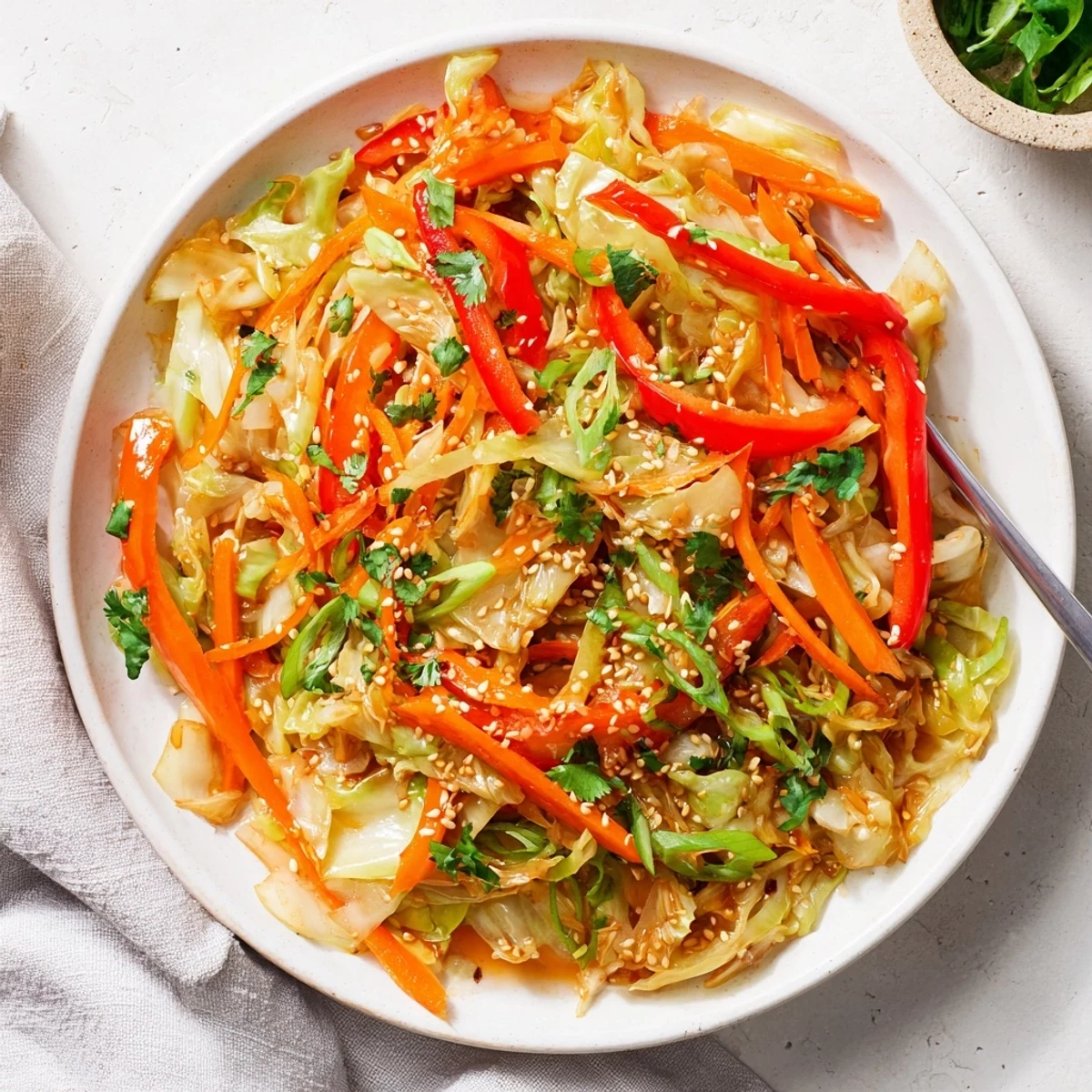
Save This recipe became a regular in our dinner rotation after a particularly hectic month when we were trying to eat healthier but refused to sacrifice flavor. My husband actually requested it for his birthday dinner one year, which says a lot about how good it is. There's something about the combination of textures and that perfectly balanced sauce that just works every single time.
Making It Your Own
The beauty of this stir fry is how adaptable it is to whatever you have on hand or what your family prefers. I've made countless variations depending on what's in my fridge or what I picked up at the farmers market that morning. Sometimes the best recipes are the ones that teach you a framework rather than strict rules.
Protein Additions
While this is fantastic as a vegetarian main, I often add protein to make it even more satisfying. Cubed tofu works beautifully if you add it during the last few minutes so it can absorb some of that sauce without falling apart. For non-vegetarian options, cooked shrimp or sliced chicken are perfect additions.
Sauce Secrets
The sauce is what elevates this from simple cooked vegetables to something special. I've learned that the ratio of salty to sweet to acidic matters more than exact measurements. Taste your sauce before adding it to the pan and adjust based on what you love.
- Add a splash more rice vinegar if you prefer it brighter
- Increase the maple syrup if you have a sweet tooth
- Try chili oil instead of red pepper flakes for a different kind of heat
 Save
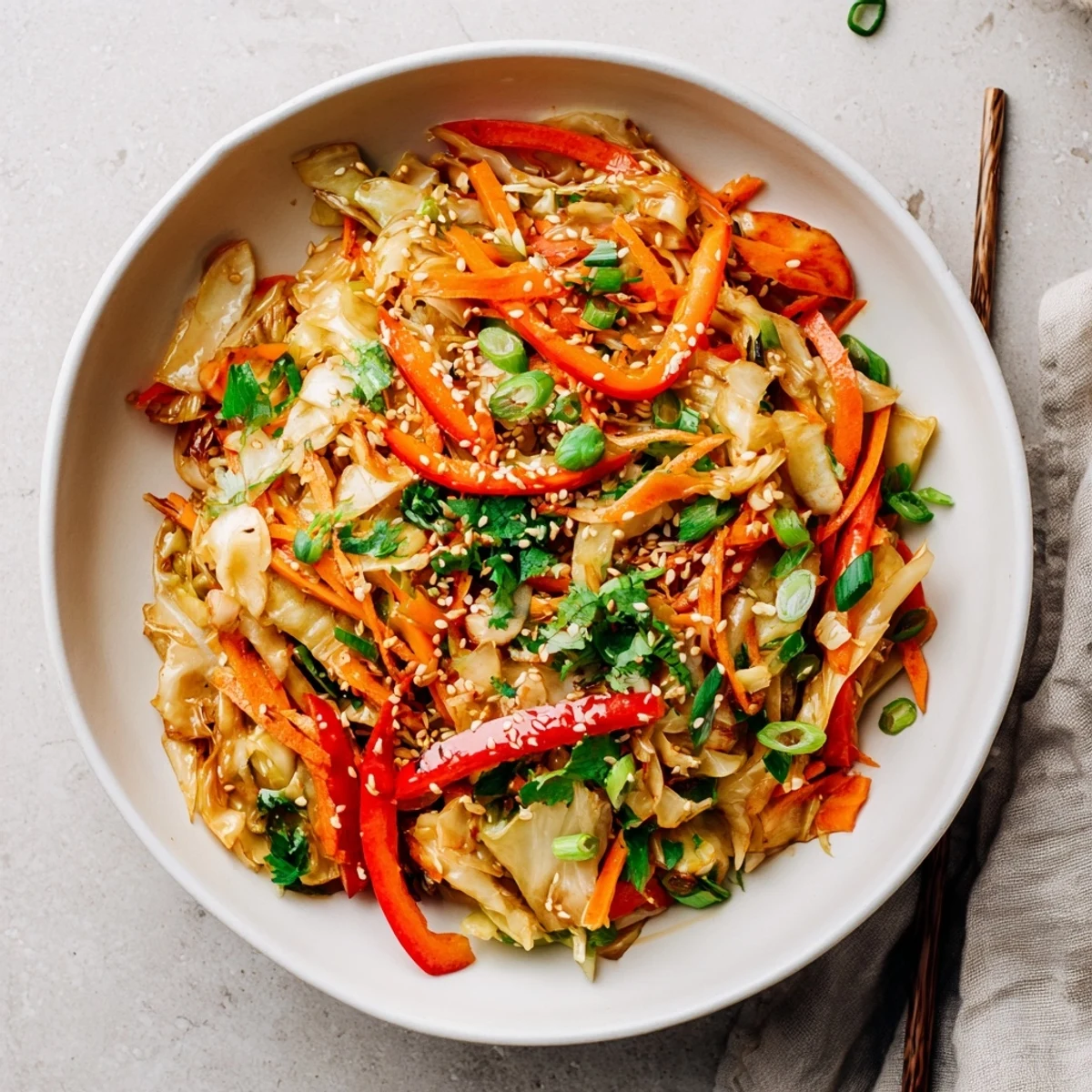
Save There's something deeply satisfying about turning simple ingredients into something so delicious. I hope this becomes one of those recipes you turn to again and again, just like I do.
Recipe FAQs
- → How do I keep the cabbage from getting soggy?
-
Don't overcook the cabbage—stir-fry for just 4-5 minutes until it begins to wilt but still retains some crunch. High heat and quick tossing are key to maintaining texture.
- → Can I make this ahead of time?
-
It's best served immediately for optimal texture, but you can prep all vegetables and sauce in advance. Store them separately in the refrigerator and stir-fry when ready to eat.
- → What protein options work well?
-
Crispy tofu cubes, cooked shrimp, sliced chicken, or edamame all pair beautifully. Add protein during step 7 so it heats through without overcooking the vegetables.
- → How can I adjust the spice level?
-
Start with the optional red pepper flakes for mild heat. For more intensity, add sriracha, chili oil, or fresh sliced chilies. You can also serve hot sauce on the side.
- → What other vegetables can I use?
-
Snap peas, broccoli florets, bok choy, sliced mushrooms, or bean sprouts all work well. Keep total vegetable quantity similar to maintain proper sauce coverage.
- → Is this suitable for meal prep?
-
Yes, it reheats well in a skillet or microwave. Store in airtight containers for up to 3 days. The vegetables will soften slightly but still taste delicious.